

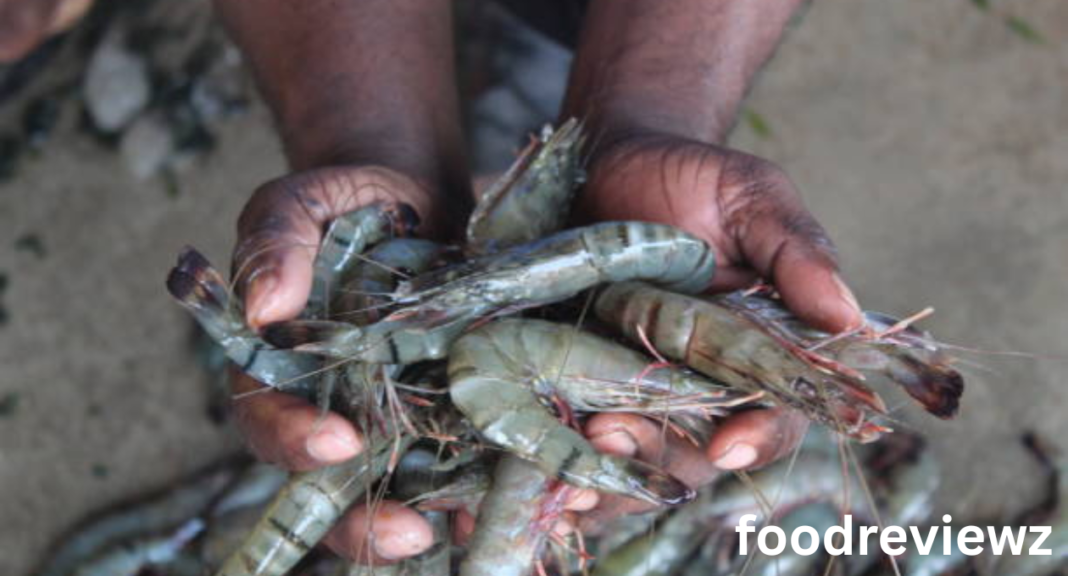

Shrimp is one of the most popular seafood choices worldwide, valued for its mild flavor, versatility, and affordability. From street food stalls to fine-dining restaurants, shrimp plays a central role in many cuisines. cUnderstanding the reasons behind the shrimp shortage helps explain its broader impact on the global food system.
What Is Causing the Shrimp Shortage?
One of the main drivers of the shrimp shortage is disease outbreaks in shrimp farms. Viral infections such as Early Mortality Syndrome (EMS) and White Spot Syndrome Virus have devastated shrimp populations in major producing countries. These diseases spread rapidly in densely stocked aquaculture ponds, causing massive losses and forcing farms to reduce production.
Climate change is another significant factor. Rising ocean temperatures, unpredictable weather patterns, and increased storm activity disrupt shrimp habitats and farming conditions. Floods can contaminate shrimp ponds, while prolonged heat waves stress shrimp, slowing growth and increasing mortality rates. Coastal regions, where much of the world’s shrimp farming occurs, are especially vulnerable to these environmental changes.
Supply Chain Disruptions and Labor Issues
Global supply chains have also played a major role in the shrimp shortage. Transportation delays, rising fuel costs, and port congestion have slowed the movement of shrimp from farms to processing facilities and international markets. Shrimp is highly perishable, so even minor delays can result in significant losses.
Labor shortages in fishing and processing industries have further worsened the problem. Many shrimp-processing plants rely on seasonal or migrant labor, and staffing challenges have reduced processing capacity. When shrimp cannot be processed efficiently, it limits the amount available for export and domestic consumption.
Rising Demand for Shrimp
While supply has struggled, demand for shrimp continues to rise. Shrimp is often marketed as a healthy protein source that is low in fat and high in nutrients. As more consumers seek seafood as an alternative to red meat, shrimp demand has increased, particularly in North America, Europe, and parts of Asia.
The growth of frozen and ready-to-eat seafood products has also contributed to higher demand. Shrimp is a key ingredient in many convenience foods, including stir-fries, pasta dishes, and seafood platters. This growing popularity puts additional pressure on already strained supplies.
Economic Impact on Prices and Businesses
One of the most noticeable effects of the shrimp shortage is higher prices. Reduced supply combined with strong demand has driven shrimp prices upward at both wholesale and retail levels. Restaurants may reduce portion sizes, increase menu prices, or temporarily remove shrimp dishes altogether.
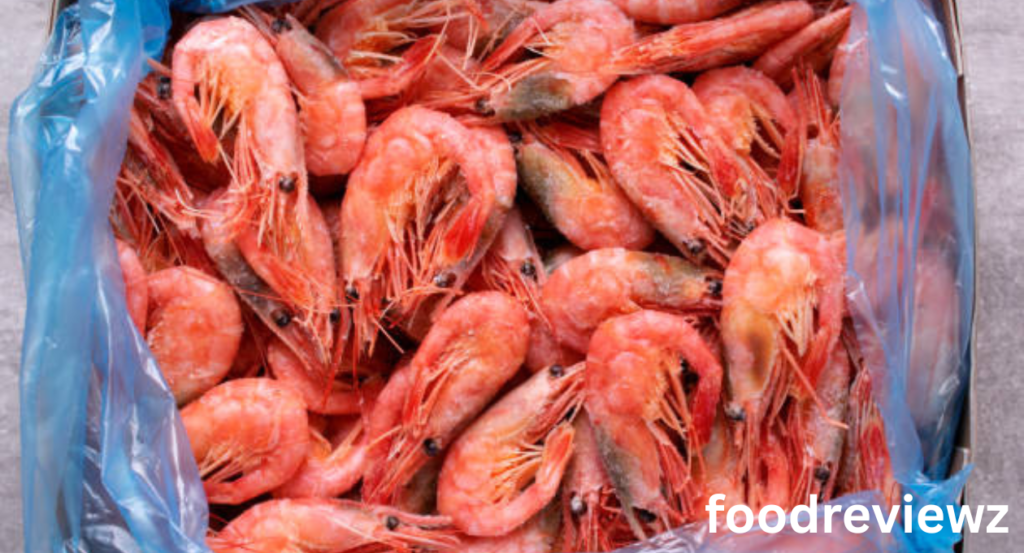
Small seafood businesses and local markets are often hit the hardest. Unlike large distributors, they may lack the resources to secure alternative suppliers or absorb rising costs. For consumers, this means fewer choices and higher prices at grocery stores and restaurants.
Impact on Fishing Communities and Aquaculture
Fishing communities and shrimp farmers face significant challenges during a shrimp shortage. Lower yields mean reduced income, while the cost of disease prevention, feed, and infrastructure continues to rise. Some small-scale farmers are forced to exit the industry entirely, leading to long-term economic consequences for coastal regions.
At the same time, the shortage has encouraged investment in more sustainable shrimp farming practices. Improved biosecurity, better water management, and selective breeding programs aim to reduce disease risks and stabilize production in the future.
Looking Ahead: Will the Shrimp Shortage Continue?
The future of the shrimp supply depends on how effectively the industry addresses its challenges. Advances in aquaculture technology, disease control, and climate adaptation could help stabilize production. However, without coordinated efforts, shrimp shortages may continue to occur periodically.
For consumers, being flexible with seafood choices and supporting sustainable producers can help ease pressure on shrimp supplies. While the shrimp shortage presents real challenges, it also highlights the need for more resilient and environmentally responsible seafood systems.
Conclusion
The shrimp shortage is a complex issue driven by disease outbreaks, climate change, supply chain disruptions, and rising global demand. Together, these factors have reduced shrimp availability and pushed prices higher for consumers and businesses alike. While fishing communities and shrimp farmers face economic challenges, the situation has also encouraged innovation and more sustainable aquaculture practices. Looking ahead, long-term solutions such as improved disease management, climate-resilient farming methods, and diversified seafood consumption will be essential to stabilize shrimp supplies. Understanding the causes and impacts of the shrimp shortage helps consumers make informed choices and appreciate the importance of sustainable seafood systems.
faqs
1. Why is there a shrimp shortage?
The shrimp shortage is mainly caused by disease outbreaks in shrimp farms, climate change effects, supply chain disruptions, labor shortages, and increased global demand.
2. Has climate change affected shrimp production?
Yes, rising ocean temperatures, extreme weather, and coastal flooding have disrupted shrimp habitats and farming operations, leading to lower yields.
3. Are shrimp prices increasing because of the shortage?
Yes, reduced supply combined with strong demand has led to higher shrimp prices at both grocery stores and restaurants.
4. Which countries are most affected by the shrimp shortage?
Major shrimp-producing countries such as India, Vietnam, Thailand, and Ecuador have faced production challenges, which impact global supply.
5. Is farmed shrimp or wild-caught shrimp more affected?
Farmed shrimp is more affected due to disease outbreaks and environmental stress in aquaculture systems, though wild-caught shrimp can also be impacted by climate conditions.