

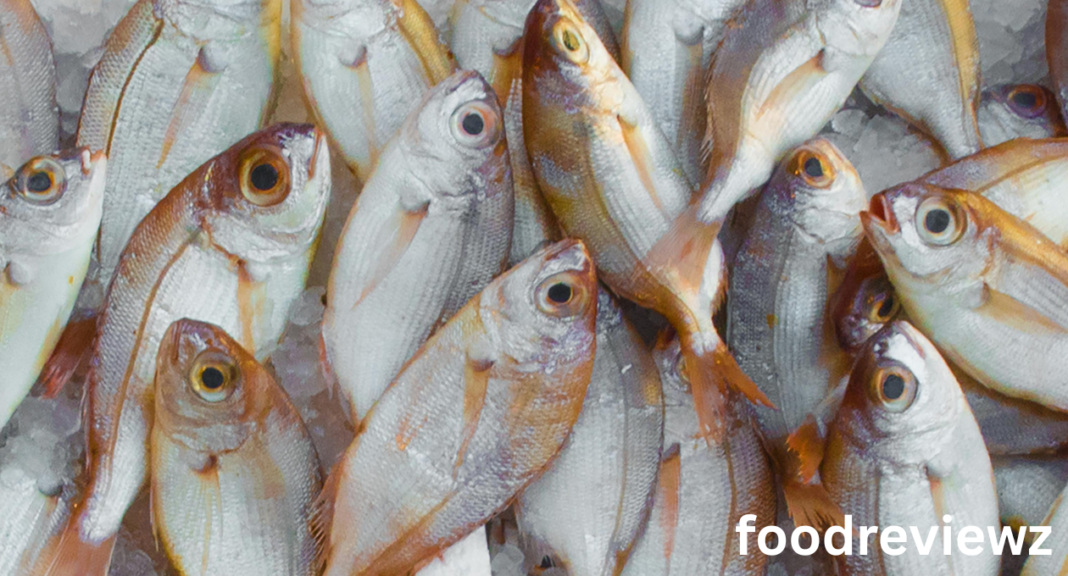

Fish has long been a vital source of protein, nutrition, and livelihood for millions of people around the world. From coastal communities to inland markets, fish plays a central role in diets and economies. However, in recent years, a growing fish shortage has become a serious global concern. This shortage is affecting prices, food security, and the sustainability of marine ecosystems. Understanding the causes and consequences of the fish shortage is essential to addressing the problem effectively.
What Is a Fish Shortage?
A fish shortage occurs when the supply of fish fails to meet consumer demand. This can happen due to reduced fish populations, disruptions in fishing activities, or problems in the supply chain. Unlike short-term fluctuations, today’s fish shortage is increasingly linked to long-term environmental and economic challenges, making it harder to resolve quickly.
Major Causes of the Fish Shortage
Overfishing
One of the primary causes of the fish shortage is overfishing. Modern fishing technologies allow large quantities of fish to be caught quickly, often faster than fish populations can naturally reproduce. Many popular species such as tuna, cod, and salmon have been heavily overfished, leading to declining stocks and stricter fishing limits.
Climate Change
Climate change is another major factor contributing to the fish shortage. Rising ocean temperatures, changing currents, and ocean acidification disrupt marine ecosystems. Fish migrate to cooler waters, affecting local fisheries and reducing catches in traditional fishing areas. Coral reef damage also reduces habitats for many fish species.
Pollution and Habitat Destruction
Pollution from plastics, chemicals, and agricultural runoff damages aquatic environments. Rivers, lakes, and oceans polluted with waste can no longer support healthy fish populations. Additionally, coastal development and destructive fishing practices harm breeding grounds, further worsening the shortage.
Supply Chain Disruptions
Global supply chains play a significant role in fish availability. Fuel price increases, labor shortages, and transportation delays can limit the amount of fish reaching markets. In some regions, political instability and trade restrictions have also contributed to reduced fish supplies.
Economic Impact of the Fish Shortage
The fish shortage has led to higher prices in local and international markets. For consumers, this means seafood is becoming less affordable, especially for low-income households that rely on fish as a primary protein source. For fishermen and fish farmers, reduced catches and higher operational costs threaten livelihoods and income stability.
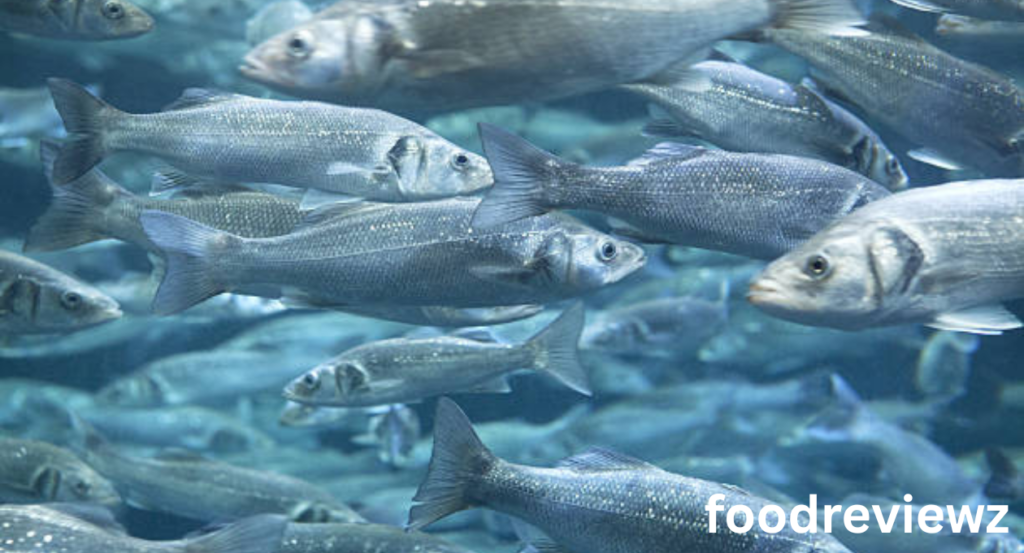
Restaurants and food businesses are also affected, often forced to raise prices or remove certain fish dishes from their menus. This shift can change consumer preferences and reduce overall seafood consumption.
Impact on Food Security and Nutrition
Fish is a rich source of high-quality protein, omega-3 fatty acids, vitamins, and minerals. A shortage can negatively impact nutrition, particularly in coastal and developing regions where fish is a dietary staple. Reduced access to affordable fish may increase reliance on less nutritious or more expensive food alternatives.
Possible Solutions to the Fish Shortage
Sustainable Fishing Practices
Promoting sustainable fishing is key to restoring fish populations. This includes enforcing catch limits, protecting endangered species, and using selective fishing gear to reduce bycatch. Responsible fisheries management can help balance supply with long-term ecosystem health.
Expansion of Aquaculture
Fish farming, or aquaculture, can help reduce pressure on wild fish stocks. When managed responsibly, aquaculture provides a reliable source of fish while supporting global demand. Improving feed efficiency and reducing environmental impacts are essential for sustainable growth.
Consumer Awareness and Choices
Consumers can play a role by choosing sustainably sourced seafood and reducing food waste. Supporting certified fisheries encourages better practices and helps ensure fish remains available for future generations.
Conclusion
The global fish shortage is a complex issue driven by overfishing, climate change, pollution, and supply chain challenges. Its effects are felt across economies, diets, and ecosystems. Addressing the shortage requires cooperation between governments, industries, and consumers. By adopting sustainable practices and making informed choices, it is possible to protect fish populations and secure a stable seafood supply for the future.
faqs
1. What is a fish shortage?
A fish shortage occurs when the supply of fish is lower than consumer demand. This can result from overfishing, environmental changes, pollution, or disruptions in fishing and transportation systems.
2. Why is there a global fish shortage?
The global fish shortage is mainly caused by overfishing, climate change, ocean pollution, habitat destruction, and rising operational costs for fisheries. These factors reduce fish populations and limit market supply.
3. Which fish species are most affected by shortages?
Popular species such as tuna, cod, salmon, and mackerel are among the most affected. High demand combined with declining wild stocks has led to stricter catch limits and reduced availability.
4. How does climate change contribute to fish shortages?
Climate change warms ocean waters and alters marine ecosystems. Fish migrate to cooler areas, breeding cycles are disrupted, and coral reefs are damaged, all of which reduce fish populations.
5. How does a fish shortage affect consumers?
Consumers may face higher seafood prices, limited choices, and reduced access to nutritious fish. In some regions, people may need to switch to alternative protein sources.