

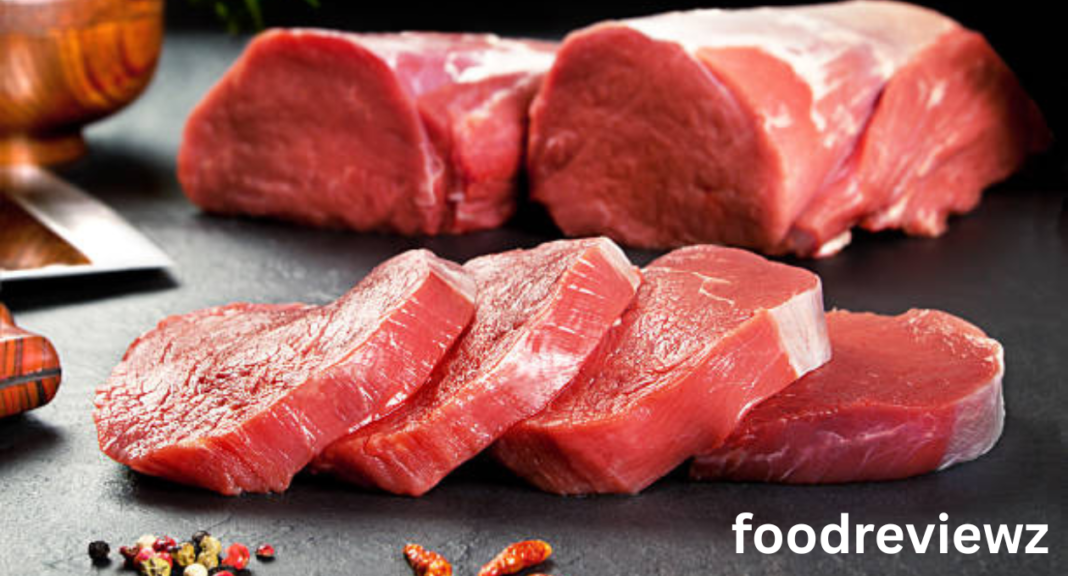

Pork is one of the most widely consumed meats in the world, forming a key part of diets across many cultures. From fresh cuts and sausages to processed foods like bacon and ham, pork plays a major role in global food consumption. Recently, however, many countries have faced a pork shortage, leading to rising prices and limited availability. This situation has raised concerns among consumers, farmers, and businesses alike.
What Is Driving the Pork Shortage?
One of the main reasons behind the pork shortage is disease outbreaks among pigs. Illnesses such as African swine fever have significantly reduced pig populations in several major pork-producing regions. When large numbers of pigs are lost or culled to prevent disease spread, pork supply drops sharply, affecting both local and global markets.
Another major factor is rising production costs. Feed prices for corn and soybeans, which are essential for pig farming, have increased due to weather disruptions and global supply issues. Higher energy and labor costs also make pig farming more expensive, forcing some farmers to reduce herd sizes or exit the industry altogether.
Supply Chain and Processing Challenges
Even when pigs are available, processing and transportation problems can limit pork supply. Slaughterhouses and meat processing plants often face labor shortages, slowing down production. Transportation delays, higher fuel prices, and cold storage limitations further disrupt the flow of pork from farms to markets.
Additionally, export demand can contribute to domestic shortages. Countries with strong international pork trade may prioritize exports to higher-paying markets, reducing supply at home and pushing prices upward for local consumers.
Impact on Consumers
For shoppers, the pork shortage is most visible in higher prices and fewer choices at grocery stores. Popular items such as bacon, pork chops, and sausages may become more expensive or harder to find. Budget-conscious families may struggle to afford pork regularly, especially when combined with overall food inflation.
Restaurants are also affected. Many menus rely heavily on pork-based dishes, and shortages can force restaurants to reduce portion sizes, increase prices, or replace pork with alternative proteins. These changes can affect customer satisfaction and overall profitability.
Effects on Farmers and the Meat Industry
The pork shortage presents mixed outcomes for farmers. While higher pork prices can increase revenue, the rising cost of feed, veterinary care, and biosecurity measures often offsets these gains. Small and medium-sized pig farms are particularly vulnerable, as they have fewer financial reserves to manage prolonged disruptions.
Meat processors and distributors face similar challenges. Reduced throughput at processing plants can lead to inefficiencies, increased waste, and financial losses. Long-term uncertainty may also discourage investment in expanding pork production capacity.

How Consumers Can Adapt
During a pork shortage, consumers can explore alternative protein sources such as chicken, beef, fish, or plant-based proteins. Adjusting meal plans and trying new recipes can help households manage rising costs without sacrificing nutrition.
Buying pork in bulk when available, freezing portions, or choosing less popular cuts can also help reduce expenses. Supporting local farmers and butchers may improve access to pork while strengthening regional food systems.
The Road Ahead
The pork shortage highlights the vulnerability of global meat supply chains to disease, climate factors, and economic pressures. While some recovery is possible as herds are rebuilt and production stabilizes, experts warn that future disruptions remain likely.
Investments in disease prevention, sustainable farming practices, and resilient supply chains will be crucial to reducing the risk of future pork shortages. For now, adaptability from both consumers and industry stakeholders remains essential as the pork market continues to evolve.
Conclusion
The pork shortage has revealed how fragile meat supply chains can be when faced with disease outbreaks, rising production costs, and logistical challenges. Reduced pig populations, higher feed prices, labor shortages, and strong export demand have all contributed to limited supply and higher pork prices. While farmers, processors, and consumers are all affected in different ways, the shortage also encourages diversification in diets and greater focus on sustainable farming practices. Moving forward, better disease control, investment in local production, and improved supply chain resilience will be key to stabilizing pork availability and prices.
FAQs
1. What is causing the pork shortage?
The pork shortage is mainly caused by disease outbreaks such as African swine fever, rising feed and energy costs, labor shortages in processing plants, and supply chain disruptions.
2. Is the pork shortage global or regional?
The shortage affects both global and regional markets. In some countries it is more severe due to heavy reliance on pork production or exports.
3. Why has the price of pork increased?
Pork prices have risen because of reduced supply, higher farming and processing costs, transportation expenses, and strong demand in both domestic and international markets.
4. How long is the pork shortage expected to last?
Recovery can take time because rebuilding pig herds is a slow process. While conditions may improve, occasional shortages may continue in the near future.
5. What can consumers eat instead of pork?
Consumers can choose alternatives such as chicken, beef, fish, eggs, legumes, or plant-based protein products to maintain a balanced diet.