


Introduction
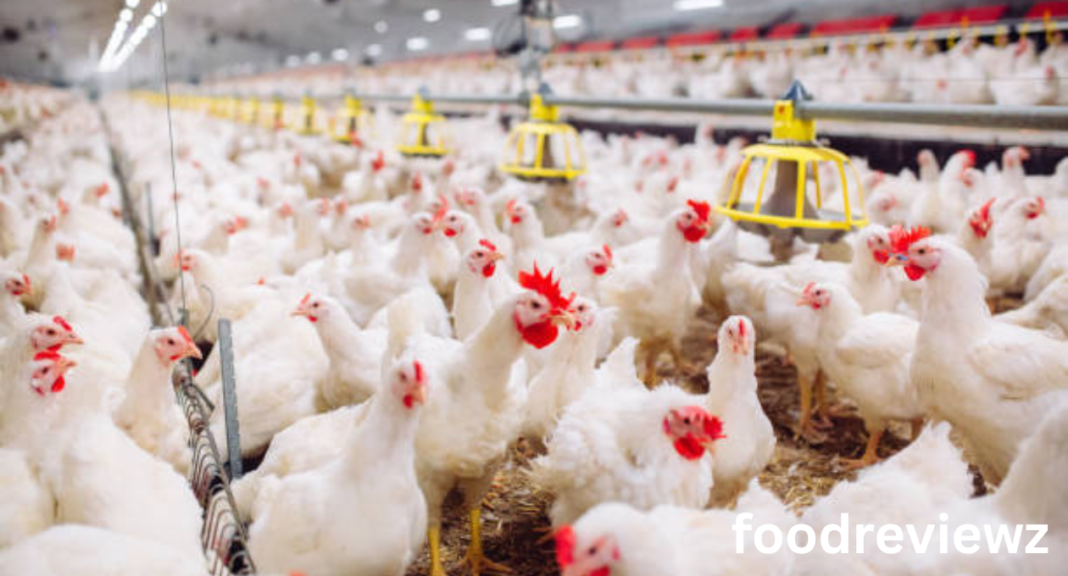
The poultry industry plays a crucial role in global food security by providing affordable protein in the form of chicken meat and eggs. However, in recent years, many countries have experienced a significant poultry shortage. This shortage has affected consumers, farmers, restaurants, and related industries. Rising prices, limited availability, and supply chain disruptions have made poultry products harder to access for many households. Understanding the causes and impacts of the poultry shortage is essential to finding long-term solutions.
What Is a Poultry Shortage?
A poultry shortage occurs when the supply of poultry products, such as chicken and eggs, fails to meet consumer demand. This imbalance can happen due to production problems, disease outbreaks, rising costs, or logistical challenges. When supply drops, prices increase, and availability becomes inconsistent in markets and grocery stores.
Main Causes of the Poultry Shortage
Disease Outbreaks
One of the leading causes of poultry shortages is disease, particularly avian influenza (bird flu). When outbreaks occur, millions of birds may be culled to prevent the spread, drastically reducing poultry supply. Recovering from such losses takes months, sometimes years.
Rising Feed Costs
Poultry farming heavily depends on feed made from corn, soybeans, and other grains. Global inflation, climate-related crop failures, and geopolitical conflicts have driven feed prices higher. Increased feed costs make poultry farming more expensive, forcing some farmers to reduce production or exit the industry.
Supply Chain Disruptions
Transportation delays, fuel price increases, and labor shortages have disrupted poultry supply chains. Processing plants may operate below capacity due to worker shortages, slowing down production and distribution.
Labor Shortages
The poultry industry relies on skilled and semi-skilled labor for farming, processing, and distribution. Labor shortages have made it difficult to maintain consistent production levels, further contributing to reduced supply.
Climate and Environmental Factors
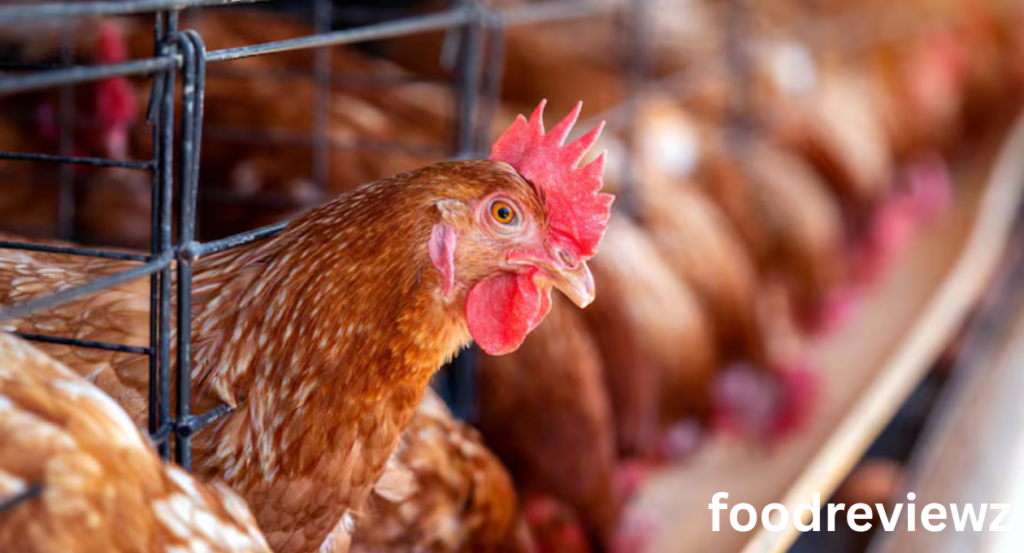
Extreme weather events such as heatwaves, floods, and droughts affect poultry health and feed availability. Climate change has increased the frequency of such events, making poultry farming more unpredictable.
Impact of the Poultry Shortage
Higher Prices for Consumers
One of the most noticeable effects of a poultry shortage is rising prices. Chicken and eggs, once considered affordable staples, have become more expensive, putting pressure on household budgets.
Reduced Food Choices
Restaurants and food businesses often rely on poultry as a main ingredient. Shortages may lead to limited menu options, smaller portion sizes, or temporary removal of poultry-based dishes.
Financial Strain on Farmers
While higher prices may seem beneficial, many poultry farmers struggle with increased production costs. Disease losses and expensive feed can offset profits, causing financial instability.
Food Security Concerns
Poultry is a major protein source, especially in developing countries. Shortages can worsen food insecurity, particularly for low-income populations who rely on poultry as an affordable nutrition option.
Possible Solutions to the Poultry Shortage
Improved Disease Prevention
Stronger biosecurity measures, vaccination programs, and early detection systems can help prevent large-scale disease outbreaks and protect poultry populations.
Support for Farmers
Government subsidies, affordable feed programs, and financial assistance can help farmers manage rising costs and maintain production levels.
Investment in Technology
Automation, better farming practices, and climate-resilient infrastructure can improve efficiency and reduce losses in poultry farming.
Diversifying Protein Sources
Encouraging alternative protein sources such as plant-based proteins, fish, and legumes can reduce dependence on poultry and ease demand pressure.
Conclusion
The poultry shortage is a complex issue driven by disease, rising costs, labor challenges, and environmental factors. Its impacts are felt across the food system, from farmers to consumers. Addressing the shortage requires coordinated efforts from governments, farmers, and the private sector. With better planning, investment, and sustainable practices, the poultry industry can recover and continue to provide an essential food source for millions of people worldwide.
faqs
1. What is a poultry shortage?
A poultry shortage happens when the supply of chicken, eggs, and other poultry products is lower than consumer demand. This leads to limited availability and higher prices in markets and grocery stores.
2. What are the main reasons for the poultry shortage?
The main causes include disease outbreaks like avian influenza, rising feed and fuel costs, labor shortages, supply chain disruptions, and extreme weather conditions affecting poultry farming.
3. How does a poultry shortage affect consumers?
Consumers face higher prices, reduced availability of poultry products, and fewer food choices in restaurants and stores. Low-income households are often the most affected.
4. How does the poultry shortage impact farmers?
Farmers deal with increased production costs, losses from disease outbreaks, and labor challenges. Some farmers reduce production or leave the industry due to financial pressure.
5. Is the poultry shortage a global issue?
Yes, poultry shortages have been reported in many countries. Global trade disruptions, climate change, and disease outbreaks have made poultry supply unstable worldwide.