



If you’ve noticed your favorite coffee tasting a little different lately or found empty shelves where heavy cream usually sits, you’re not alone. The cream shortage has quietly become a real issue in many regions, affecting households, cafés, bakeries, and food manufacturers alike. While it may seem like a small inconvenience on the surface, the shortage reveals much deeper challenges within the dairy industry and global supply chains.
What Is Cream and Why It Matters
Cream is more than just a topping for desserts or a splash in your morning coffee. It’s a core dairy product made from the high-fat layer skimmed from milk. Depending on fat content, it becomes heavy cream, whipping cream, or light cream—each with its own culinary role.
From home kitchens to commercial bakeries, cream plays a crucial part in:
- Sauces and soups
- Desserts and pastries
- Ice cream and chocolate
- Coffee and specialty beverages
When cream supply tightens, it sends ripples across the entire food ecosystem. Recipes change, prices rise, and quality can suffer.
The Root Causes Behind the Cream Shortage
The cream shortage didn’t happen overnight. It’s the result of several overlapping challenges that have been building for years.
Supply Chain Disruptions
Global supply chains are still recovering from recent disruptions. Transportation delays, fuel price hikes, and packaging shortages have all made it harder to move dairy products efficiently. Cream, being perishable, is especially vulnerable to these bottlenecks.
Dairy Farming Challenges
Many dairy farmers are producing less milk than before. Why? Rising feed costs, labor shortages, and extreme weather conditions have made dairy farming more expensive and less predictable. When milk production drops, cream availability drops even faster, since cream is just one component of milk.
Rising Production Costs
Energy prices, refrigeration, and processing costs have soared. For some producers, it’s no longer profitable to focus on cream production, especially when milk can be diverted to other higher-demand products.
How the Cream Shortage Affects Consumers
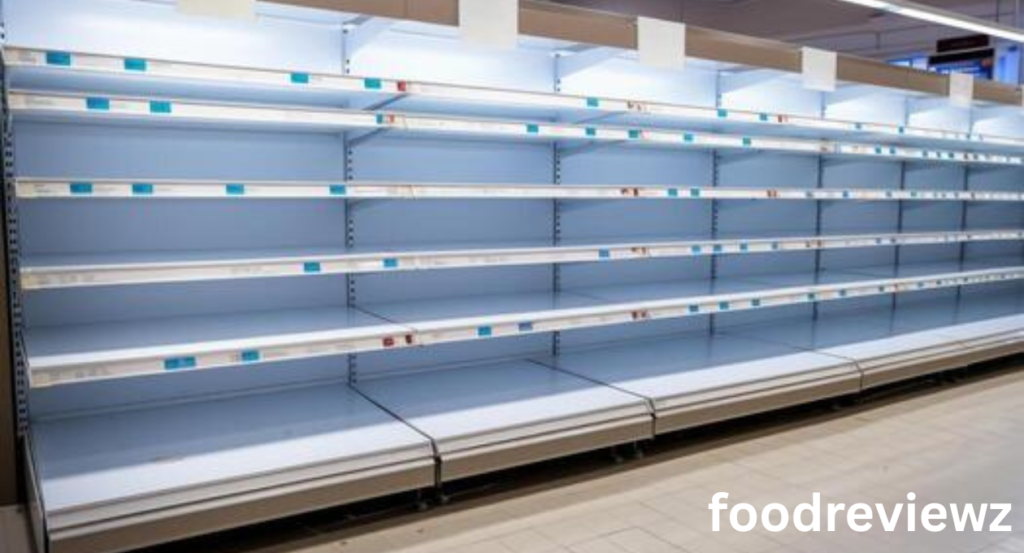
For everyday consumers, the cream shortage shows up in subtle but frustrating ways. Grocery prices climb, product limits appear, and favorite brands disappear without warning. Some shoppers switch to alternatives like plant-based creamers, while others simply go without.
There’s also a quality shift happening. In some cases, manufacturers reformulate products using stabilizers or substitutes to mimic cream’s texture and taste. While these work in a pinch, they’re not always a perfect match.
Impact on Businesses and the Food Industry
Restaurants, cafés, and bakeries feel the pinch even more. Cream is a foundational ingredient, and inconsistency in supply makes menu planning difficult. Many businesses face tough choices:
- Raise prices
- Reduce portion sizes
- Temporarily remove popular items
Small businesses, in particular, struggle to absorb these costs, making the cream shortage not just a supply issue—but an economic one.
Global vs. Local Perspectives on the Shortage
The cream shortage isn’t uniform across the globe. Some regions face severe scarcity, while others experience mild disruptions. Export restrictions, regional climate issues, and local dairy policies all play a role.
Countries heavily dependent on dairy imports are especially vulnerable, while local shortages can occur even in dairy-rich regions due to processing and distribution constraints.
Possible Solutions and Industry Responses
The dairy industry isn’t standing still. Producers and policymakers are exploring solutions such as:
- Investing in local dairy infrastructure
- Supporting farmers with subsidies
- Improving cold-chain logistics
- Encouraging sustainable farming practices
At the consumer level, flexibility helps. Exploring substitutes, reducing waste, and supporting local producers can ease pressure on the system.
What the Future Holds for Cream Supply
Will the cream shortage last forever? Probably not—but recovery will take time. Stabilizing dairy farming, modernizing supply chains, and adapting to climate realities are long-term efforts. In the meantime, cream may remain a little pricier and a bit harder to find.
Still, challenges often spark innovation. From new dairy blends to improved farming techniques, the future of cream may look different—but not necessarily worse.
Conclusion
The cream shortage is a reminder that even everyday foods depend on complex systems working smoothly together. What starts on a farm ends on your table, and when one link breaks, everyone feels it. Understanding the causes behind the shortage helps us make informed choices—and maybe appreciate that splash of cream just a little more.
FAQs
1. Why is there a cream shortage right now?
The shortage is caused by lower milk production, supply chain disruptions, rising costs, and dairy farming challenges.
2. Is the cream shortage global?
It varies by region. Some areas are hit harder due to imports, climate issues, or processing limitations.
3. Are prices going to keep rising?
Prices may remain high in the short term until supply stabilizes and production costs ease.
4. Are cream substitutes a good alternative?
Plant-based and blended alternatives can work, but they may not fully replicate traditional cream’s taste and texture.
5. When will the cream shortage end?
There’s no exact timeline, but gradual improvement is expected as supply chains and dairy production recover.