

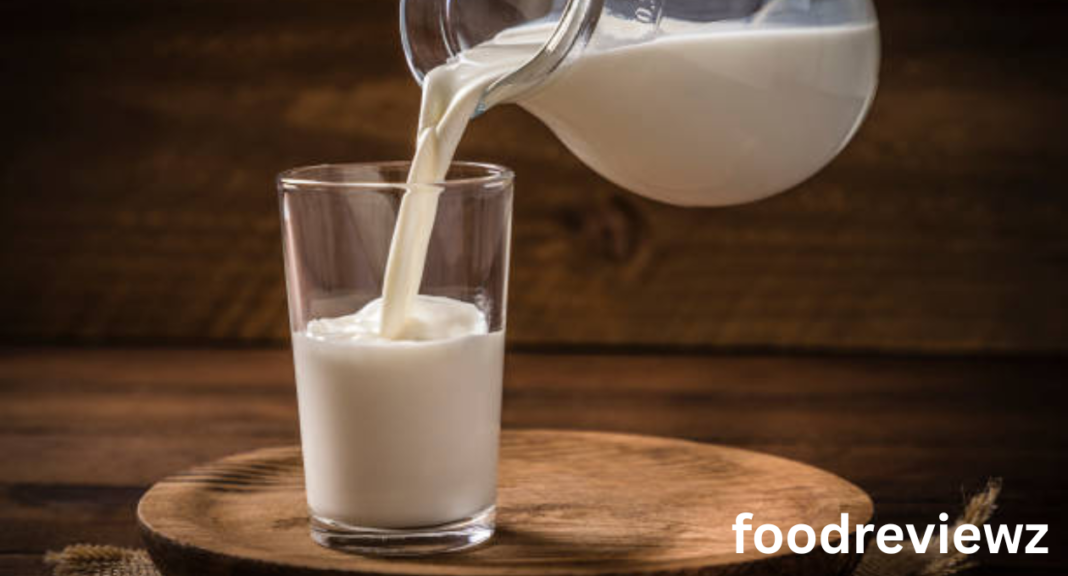

Milk shortage has long been a cornerstone of human nutrition and a daily necessity in households around the world. From children to the elderly, people rely on milk and dairy products for essential nutrients such as calcium, protein, and vitamins. However, in recent years, many countries have begun to face an alarming problem: a shortage of milk. This issue is affecting consumers, farmers, and the food industry alike. Understanding the causes, impacts, and possible solutions is key to addressing this growing crisis.
Rising Costs of Dairy Farming
One of the most significant causes of the milk shortage is the increasing cost of dairy production. Farmers must manage expenses such as cattle feed, fuel, electricity, veterinary services, equipment maintenance, and labor. These costs have risen sharply in many regions, while the prices farmers receive for milk have not always kept pace.
As a result, many small and medium-sized dairy farmers struggle to remain profitable. Some are forced to reduce herd sizes, while others leave dairy farming altogether. When fewer farmers are producing milk, overall supply declines, contributing directly to shortages.
Climate Change and Environmental Challenges
Climate change has placed enormous pressure on agricultural systems, including dairy farming. Extreme weather events such as droughts, floods, heatwaves, and unpredictable rainfall patterns affect both cattle health and feed availability.
High temperatures cause heat stress in cows, reducing milk production and fertility. Drought conditions limit pasture growth and raise the cost of feed, while floods can destroy crops and infrastructure. These environmental challenges make consistent milk production increasingly difficult, leading to fluctuations in supply.
Labor Shortages in the Dairy Industry
Another contributing factor is the declining availability of skilled labor. Dairy farming is physically demanding and requires long hours, often with little time off. Many young people are choosing careers outside agriculture, leaving fewer workers available for farms.
Labor shortages increase operating costs and reduce efficiency. In some cases, farmers who cannot find enough workers are forced to scale back production or shut down entirely, further reducing milk supply.
Economic and Social Impact
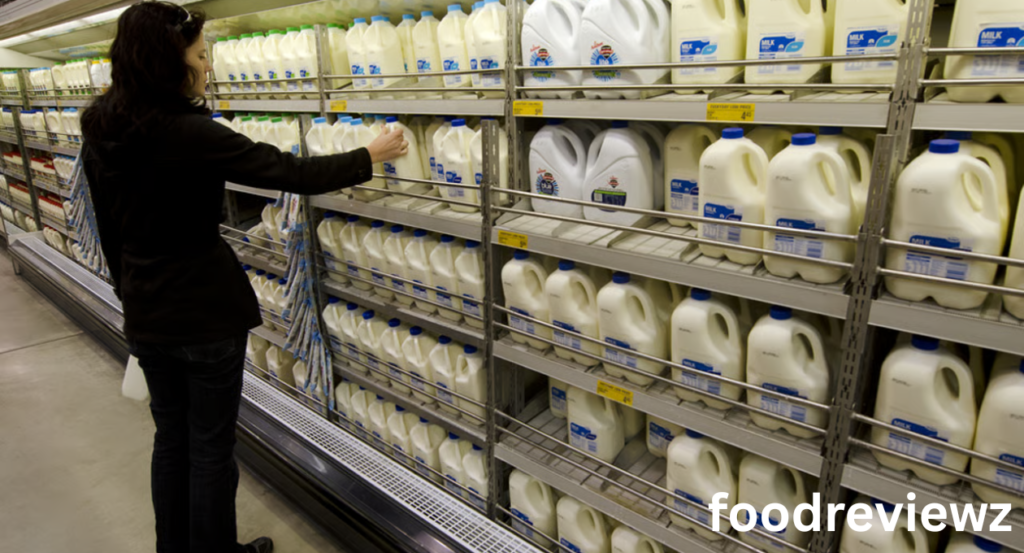
The milk shortage has serious consequences for consumers and communities. When supply falls below demand, prices rise. Higher milk prices make it harder for low-income families to afford this important source of nutrition.
Schools, hospitals, and community feeding programs may also struggle to provide adequate dairy products. Additionally, food manufacturers that depend on milk for products such as cheese, yogurt, butter, and ice cream face higher costs and possible production delays, which can lead to shortages of these products as well.
Possible Solutions to the Milk Shortage
Addressing the milk shortage requires cooperation between governments, industry leaders, and consumers. Governments can support farmers through fair pricing policies, subsidies, low-interest loans, and investment in agricultural infrastructure.
Technological innovation can also improve efficiency. Automated milking systems, better breeding practices, and improved animal nutrition can help increase yields while reducing labor demands. Research into climate-resilient feed and heat-tolerant cattle breeds may further strengthen the industry.
Sustainable farming practices such as water conservation, soil management, and reduced greenhouse gas emissions can make dairy operations more resilient in the long term.
The Role of Consumers
Consumers play an important role in supporting the dairy industry. Purchasing locally produced milk helps sustain nearby farmers and strengthens regional food systems. Reducing food waste and using dairy products responsibly can also ease pressure on supply.
Some consumers may choose to balance dairy consumption with plant-based alternatives, helping diversify food sources while still meeting nutritional needs.
Conclusion
The milk shortage is a complex issue driven by economic pressures, climate change, and labor challenges. Its impact is felt across the entire food system, from farmers to consumers. While the problem is serious, practical solutions exist. With thoughtful policies, technological advancements, and responsible consumer choices, it is possible to stabilize milk production and ensure that this essential food remains accessible for future generations.
faqs
1. Why is there a milk shortage?
The milk shortage is caused by a combination of factors, including rising production costs for farmers, climate change impacts such as droughts and heatwaves, labor shortages in rural areas, and farmers leaving the industry due to low profitability.
2. How does climate change affect milk production?
High temperatures cause heat stress in cows, which lowers milk yield. Droughts reduce pasture growth and increase feed costs, while floods can damage crops and farm infrastructure. All these factors make consistent milk production more difficult.
3. Will milk prices continue to rise?
Milk prices may remain high as long as supply struggles to meet demand. However, prices could stabilize if governments provide better support to farmers and if production becomes more efficient through technology and sustainable practices.
4. How does the milk shortage affect consumers?
Consumers may experience higher prices and reduced availability of milk and dairy products such as cheese, butter, and yogurt. Low-income households are especially affected because milk is an affordable source of essential nutrition.
5. What can governments do to solve the milk shortage?
Governments can introduce fair pricing policies, provide subsidies or financial aid to farmers, invest in agricultural infrastructure, support research, and promote sustainable farming practices.