

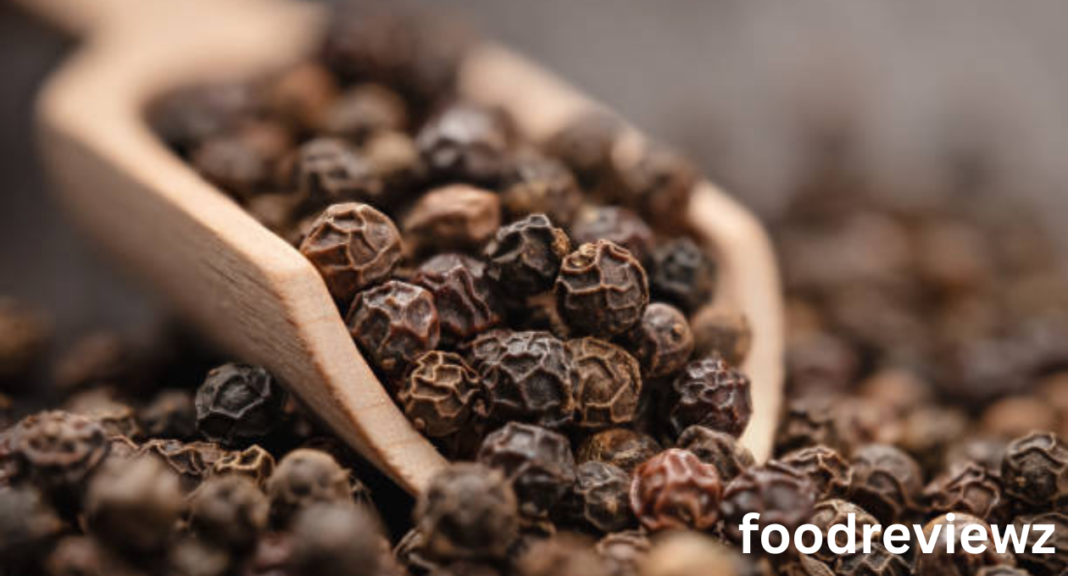

Black pepper, often called the “king of spices,” is a staple ingredient in kitchens around the world. From everyday home cooking to large-scale food production, black pepper plays a vital role. However, in recent years, many countries have faced a noticeable black pepper shortage, leading to rising prices and supply concerns.
What Is Causing the Black Pepper Shortage?
The black pepper shortage is the result of several interconnected factors rather than a single issue. One of the main causes is climate change. Black pepper plants are highly sensitive to weather conditions and require a stable tropical climate. Irregular rainfall, prolonged droughts, and unexpected floods in major producing countries such as Vietnam, India, Brazil, and Indonesia have reduced crop yields.
Another key factor is declining farm productivity. Many pepper farms rely on aging vines that produce lower yields over time. Farmers often lack the financial resources or incentives to replant new vines, which take several years to mature. As a result, production growth has slowed while global demand continues to rise.
Labor and Supply Chain Challenges
Labor shortages have also contributed to the black pepper shortage. Pepper harvesting is labor-intensive, and many agricultural regions face difficulties in attracting and retaining workers. During and after the COVID-19 pandemic, movement restrictions and workforce migration further disrupted harvesting and processing activities.
In addition, global supply chain disruptions have made transportation more expensive and less reliable. Rising fuel costs, port congestion, and shipping delays have increased the overall cost of exporting black pepper. These challenges limit how quickly pepper can reach international markets, worsening shortages in importing countries.
Rising Global Demand for Black Pepper
While supply has struggled, global demand for black pepper has continued to increase. The spice is widely used in processed foods, restaurants, and home kitchens. Growing populations and expanding food industries in Asia, Africa, and the Middle East have pushed demand higher.
Health trends have also played a role. Black pepper is known for its antioxidant properties and its ability to improve nutrient absorption, especially when combined with turmeric. As more consumers seek natural and functional foods, black pepper consumption has steadily grown.
Impact on Prices and Food Industries
One of the most visible effects of the black pepper shortage is higher prices. Wholesale and retail prices have increased in many regions, making black pepper more expensive for consumers. Food manufacturers and restaurants often face higher production costs, which may lead to smaller portion sizes or increased menu prices.
Small businesses are particularly affected, as they have less flexibility to absorb rising ingredient costs. Some manufacturers have begun experimenting with alternative spices or reducing pepper content to manage expenses.

How Consumers Are Affected
For everyday consumers, the black pepper shortage means paying more for a common kitchen essential. In some areas, availability may also be inconsistent, with certain brands or packaging sizes temporarily out of stock. Home cooks may need to adjust recipes or buy in smaller quantities.
However, black pepper remains widely available compared to more niche spices. The shortage is more about price pressure and supply uncertainty than complete unavailability.
Future Outlook: Will the Shortage Continue?
The future of the black pepper supply depends on several factors. Improved farming practices, investment in new pepper vines, and better climate-resilient agriculture could help stabilize production. Some producing countries are already focusing on sustainable cultivation methods to protect long-term yields.
Despite these efforts, experts believe that price volatility may continue in the short to medium term due to ongoing climate risks and high demand. Consumers and businesses should expect gradual adjustments rather than a quick return to previous price levels.
Conclusion
The black pepper shortage highlights how vulnerable global food supplies are to climate change, labor issues, and supply chain disruptions. While black pepper is unlikely to disappear from shelves, higher prices and occasional shortages may persist. Understanding the causes behind the shortage helps consumers and businesses adapt and make informed choices in an increasingly unpredictable global market.
Faqs
1. Why is there a black pepper shortage?
The black pepper shortage is mainly caused by climate change, poor weather conditions in producing countries, lower farm yields, labor shortages, and global supply chain disruptions. Rising demand has also added pressure on limited supply.
2. Which countries produce most of the world’s black pepper?
Major black pepper–producing countries include Vietnam, India, Brazil, Indonesia, and Sri Lanka. Vietnam is the largest exporter, supplying a significant share of global demand.
3. Has climate change affected black pepper production?
Yes, climate change has significantly impacted black pepper farming. Irregular rainfall, droughts, floods, and rising temperatures reduce crop quality and overall yields, especially in tropical regions where pepper is grown.
4. Are black pepper prices increasing because of the shortage?
Yes, black pepper prices have risen in many markets due to lower supply and higher transportation and production costs. These price increases are often passed on to consumers.
5. Is black pepper completely unavailable in the market?
No, black pepper is still widely available. The shortage mainly affects pricing and consistency of supply rather than causing a complete absence of the spice.