

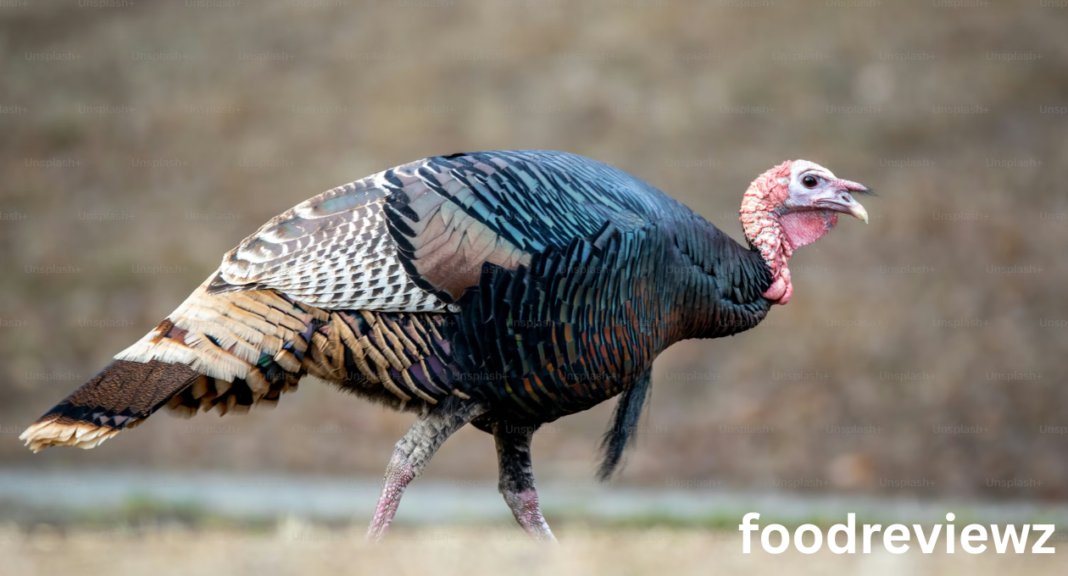

Turkey is an important source of protein for millions of people and plays a major role in seasonal celebrations, especially during holidays. Recently, however, many countries have experienced a noticeable turkey shortage, leading to higher prices and limited availability. This shortage has raised concerns among consumers, farmers, and food businesses alike. Understanding the reasons behind the turkey shortage can help explain why supplies are tight and what to expect moving forward.
What Is Causing the Turkey Shortage?
The turkey shortage is mainly driven by a combination of health, economic, and supply chain challenges. One of the biggest causes is avian influenza, also known as bird flu. Outbreaks of this disease have forced farmers to cull millions of birds to prevent its spread, significantly reducing turkey populations.
Rising feed costs are another major factor. Corn and soybeans, which make up most turkey feed, have become more expensive due to weather issues, global demand, and geopolitical tensions. Higher feed prices increase production costs, making it harder for farmers to maintain large flocks.
Labor Shortages in Turkey Farming
Labor shortages have also contributed to the turkey shortage. Poultry farming and processing require skilled and consistent labor, but many farms and processing plants struggle to find workers. Staffing shortages can slow down production, processing, and distribution, reducing the number of turkeys reaching the market.
In addition, higher wages and operating expenses have pushed some small and medium-sized producers out of the market, further tightening supply.
Supply Chain and Transportation Issues
Global supply chain disruptions continue to affect the poultry industry. Delays in transportation, rising fuel costs, and limited cold storage capacity have made it more difficult to move turkeys from farms to processing facilities and then to retailers. These logistical challenges increase costs and cause delays, especially during peak demand seasons.
Seasonal demand, particularly around holidays, adds further pressure. Even small disruptions can result in noticeable shortages when demand suddenly spikes.
Impact on Prices and Availability
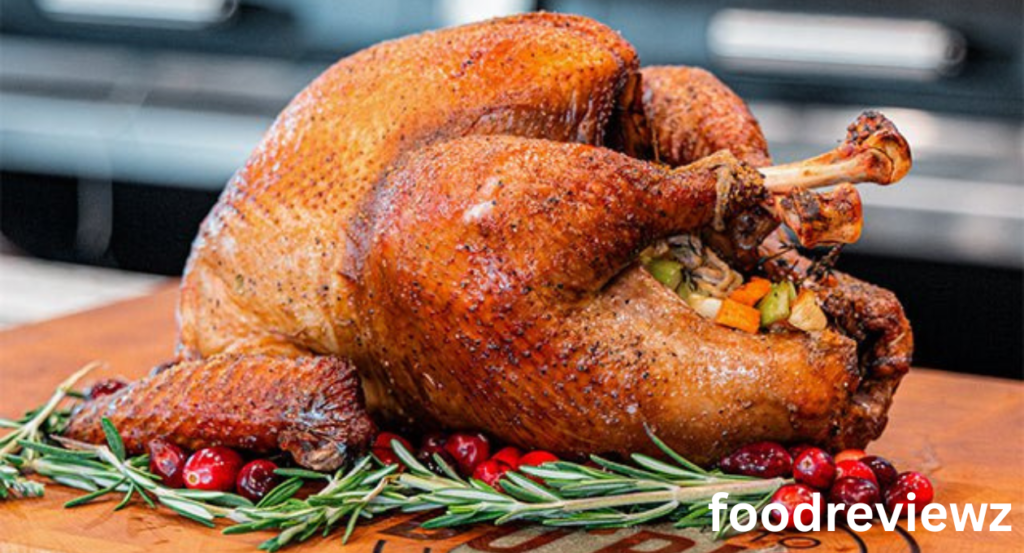
One of the most visible effects of the turkey shortage is higher prices. Consumers often notice price increases at grocery stores, especially during holiday seasons. Some stores may limit the number of turkeys customers can purchase, while others may offer fewer size options.
Restaurants and food service businesses are also affected. Higher turkey prices can lead to increased menu costs or limited availability of turkey-based dishes. In some cases, businesses may substitute turkey with other proteins to manage expenses.
How Consumers Are Affected
For consumers, the turkey shortage means planning ahead and being flexible. Shoppers may need to buy turkeys earlier than usual or consider alternative sizes or brands. Smaller turkeys or frozen options may be more readily available than fresh, large birds.
The shortage also encourages consumers to explore alternative proteins such as chicken, ham, or plant-based options, especially for large gatherings.
Future Outlook for Turkey Supply
The future of turkey supply depends on how quickly the industry can recover. Improved disease prevention, investment in biosecurity measures, and better farm management practices could help stabilize production. However, challenges such as climate change, feed costs, and labor availability remain ongoing concerns.
Experts suggest that while turkey shortages may ease at times, price volatility and supply uncertainty could continue in the near future. Consumers and businesses should expect gradual improvements rather than an immediate return to normal levels.
Conclusion
The turkey shortage highlights the complex challenges facing modern food production, from disease outbreaks to rising costs and labor issues. While turkeys are still available in most markets, higher prices and limited options may persist, especially during peak seasons. By understanding the causes of the shortage, consumers can make informed choices and adapt to changing market conditions.
Faqs
1. What is causing the turkey shortage?
The turkey shortage is mainly caused by avian influenza (bird flu), rising feed costs, labor shortages, and ongoing supply chain disruptions. These factors reduce production and limit the number of turkeys available in the market.
2. How does avian influenza affect turkey supply?
Avian influenza outbreaks force farmers to cull infected or exposed birds to prevent the disease from spreading. This significantly reduces turkey populations and disrupts production cycles.
3. Are turkey prices increasing because of the shortage?
Yes, turkey prices have increased in many regions due to reduced supply and higher production and transportation costs. These increases are often passed on to consumers.
4. Is turkey completely unavailable in stores?
No, turkey is still available in most stores. However, there may be fewer size options, limited quantities, or higher prices, especially during holiday seasons.
5. When is the turkey shortage most noticeable?
The shortage is most noticeable during peak demand periods such as Thanksgiving, Christmas, and other holidays when consumer demand rises sharply.