

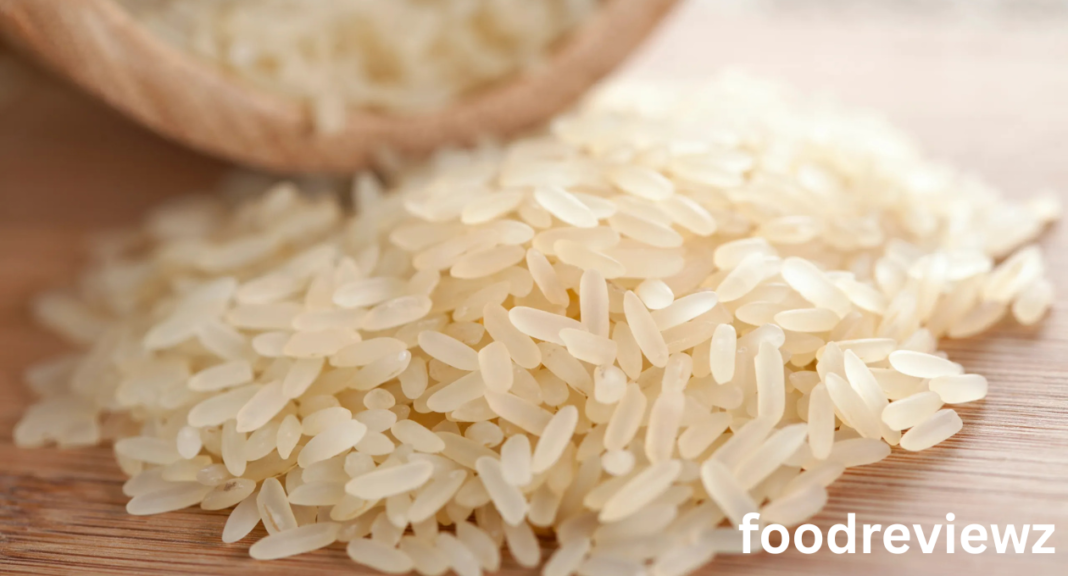

Rice is one of the most important staple foods in the world. More than half of the global population depends on rice as a primary source of daily calories. From Asia to Africa and parts of Latin America, rice is not just food—it is a cultural and economic foundation. When a rice shortage occurs, it affects millions of households, food markets, and national economies. In recent years, concerns about rice shortages have grown due to climate change, export restrictions, and supply chain disruptions.
What Is Causing the Rice Shortage?
Several factors contribute to rice shortages. One of the biggest causes is climate change. Rice requires a significant amount of water to grow, and unpredictable weather patterns such as droughts, floods, and heatwaves can severely damage crops. In major rice-producing countries like India, China, Thailand, and Vietnam, extreme weather events have reduced yields and created uncertainty in supply.
Another important factor is export restrictions. When major rice-exporting countries limit exports to protect their domestic supply, it creates panic in global markets. For example, if a leading exporter restricts shipments, importing countries may rush to buy rice from other suppliers, increasing prices and tightening availability.
Rising production costs also play a role. Fertilizer prices, fuel costs, and labor expenses have increased in many regions. Farmers facing higher costs may reduce planting areas or switch to other crops, which lowers overall rice production.
Lastly, geopolitical tensions and supply chain disruptions can delay shipments and create shortages in importing nations. Transportation issues, port congestion, and trade conflicts all contribute to limited availability in the market.
Impact on Global Food Security
A rice shortage has serious consequences for food security, especially in developing countries. Rice is often the most affordable and accessible food source for low-income families. When prices rise due to shortages, vulnerable populations struggle to afford basic meals.
Higher rice prices can also lead to inflation in food markets. Since rice is a staple ingredient in many dishes, restaurants, food manufacturers, and retailers are forced to increase prices. This creates a ripple effect throughout the economy.
In some regions, rice shortages may cause governments to release emergency reserves or provide subsidies to stabilize prices. However, these measures are often temporary solutions and may not address long-term supply challenges.

Effects on Farmers and Agricultural Markets
While consumers face higher prices during a rice shortage, farmers may experience mixed outcomes. Some farmers benefit from increased market prices, earning higher income for their crops. However, those affected by droughts or floods may suffer significant losses and reduced harvests.
The agricultural market becomes more volatile during shortages. Investors and traders react quickly to supply news, which can cause price fluctuations. This volatility creates uncertainty for both producers and buyers.
Additionally, shortages may encourage governments and private sectors to invest more in agricultural technology. Improved irrigation systems, drought-resistant rice varieties, and better farming practices can help reduce future risks.
Long-Term Solutions to Prevent Rice Shortages
Addressing rice shortages requires long-term strategies. One key solution is investing in climate-resilient agriculture. Developing rice varieties that can withstand extreme weather conditions will help maintain stable production levels.
Efficient water management is also crucial. Since rice cultivation consumes large amounts of water, adopting modern irrigation techniques and sustainable farming practices can improve yields while conserving resources.
Diversifying food systems is another important approach. Encouraging the consumption of alternative grains such as wheat, maize, or millet can reduce heavy dependence on rice. This helps balance demand and ease pressure on rice supplies.
International cooperation is equally important. Countries must work together to ensure stable trade policies and avoid sudden export bans that can worsen global shortages. Transparent communication and coordinated responses can reduce panic in markets.
Conclusion
The rice shortage is a serious global issue with far-reaching consequences. Climate change, export restrictions, rising production costs, and supply chain disruptions all contribute to limited availability and rising prices. The impact is especially severe for low-income populations who rely on rice as a primary food source.
To prevent future shortages, governments, farmers, and international organizations must focus on sustainable agriculture, climate resilience, and stable trade policies. By taking proactive measures, the world can ensure a steady rice supply and protect global food security for future generations.
faqs
1. What is a rice shortage?
A rice shortage occurs when the supply of rice is lower than the demand in local or global markets. This imbalance often leads to higher prices and limited availability in stores.
2. What are the main causes of rice shortages?
The main causes include climate change, droughts, floods, export restrictions, rising production costs, supply chain disruptions, and geopolitical tensions. These factors can reduce production or limit distribution.
3. Which countries are most affected by rice shortages?
Countries that rely heavily on rice imports are usually the most affected. Many nations in Africa, the Middle East, and parts of Asia depend on major rice exporters like India, Thailand, and Vietnam.
4. How does climate change impact rice production?
Climate change causes unpredictable weather patterns such as extreme heat, droughts, and floods. Rice requires a large amount of water, so changes in rainfall and temperature can significantly reduce crop yields.
5. Why do rice prices increase during a shortage?
When supply decreases and demand remains high, prices naturally rise. Export bans and panic buying can further increase prices in global markets.