

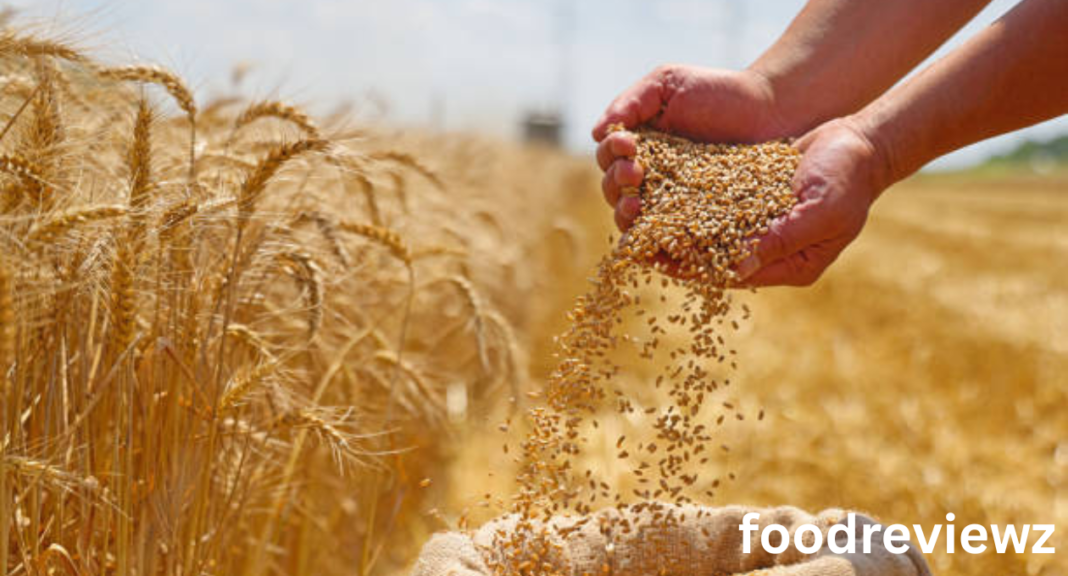

Grains are the foundation of the global food system. Crops such as wheat, rice, corn (maize), barley, and oats provide the majority of calories consumed worldwide. They are not only used for direct human consumption but also for animal feed, biofuels, and food processing industries. When a grain shortage occurs, the impact spreads quickly across countries, affecting food prices, livestock production, and overall economic stability. In recent years, concerns about grain shortages have intensified due to climate change, geopolitical conflicts, and supply chain disruptions.
What Is a Grain Shortage?
A grain shortage happens when the supply of major cereal crops is insufficient to meet domestic or global demand. This imbalance can be temporary or long-term, depending on the underlying causes. Even small disruptions in grain production can create significant price fluctuations because global demand for grains is consistently high.
Since grains are staple foods in many regions, shortages often trigger inflation and food insecurity. Countries that rely heavily on grain imports are particularly vulnerable when global supplies tighten.
Major Causes of Grain Shortages
One of the primary causes of grain shortages is climate change. Extreme weather conditions such as droughts, floods, heatwaves, and storms can severely damage crops. For example, prolonged droughts reduce soil moisture, limiting plant growth and lowering yields. On the other hand, heavy rains and flooding can destroy fields and delay harvests.
Geopolitical conflicts also play a significant role. When major grain-producing regions experience war or political instability, exports can be disrupted. Blocked ports, damaged infrastructure, and trade sanctions reduce the availability of grain in international markets.
Another contributing factor is rising input costs. Farmers face increasing expenses for fertilizers, seeds, fuel, and labor. When production costs rise, some farmers may reduce planting areas or shift to alternative crops, decreasing overall grain supply.
Additionally, supply chain disruptions can create shortages even when production levels are stable. Transportation delays, port congestion, and limited storage capacity can restrict the flow of grains from farms to consumers.
Impact on Global Food Prices
Grain shortages often lead to sharp increases in food prices. Since grains are essential ingredients in bread, pasta, cereals, and livestock feed, price increases affect a wide range of food products. Higher feed costs also lead to increased prices for meat, dairy, and eggs.
For low-income households, rising grain prices can be devastating. Families may struggle to afford basic food items, leading to malnutrition and food insecurity. In some countries, food price inflation can trigger social unrest and political instability.
Governments may attempt to stabilize prices by releasing grain reserves or providing subsidies. However, these measures are often short-term solutions and may not address the root causes of the shortage.
Effects on Farmers and Agricultural Markets
Farmers experience mixed outcomes during grain shortages. Those with successful harvests may benefit from higher market prices. However, farmers affected by poor weather or high input costs may face financial losses.
Agricultural markets become more volatile during shortages. Traders react quickly to supply reports and global news, causing rapid price swings. This volatility creates uncertainty for producers, exporters, and consumers alike.
In response to recurring shortages, some countries invest in agricultural research and technology. Improved seed varieties, better irrigation systems, and precision farming techniques can help increase productivity and reduce vulnerability to climate risks.
Long-Term Solutions to Address Grain Shortages
Preventing future grain shortages requires a combination of local and global strategies. Investing in climate-resilient agriculture is essential. Developing drought-tolerant and flood-resistant crop varieties can protect yields from extreme weather events.
Sustainable farming practices also play a crucial role. Efficient water use, soil conservation, and crop diversification can improve long-term productivity. Encouraging farmers to adopt modern technologies can increase efficiency and reduce waste.
International cooperation is equally important. Stable trade policies and transparent communication between countries can prevent panic-driven export bans that worsen shortages. Strengthening global supply chains ensures that grains move efficiently from producing regions to importing nations.
Conclusion
Grain shortages pose a serious threat to global food security and economic stability. Climate change, geopolitical conflicts, rising production costs, and supply chain disruptions all contribute to reduced availability and higher prices. The consequences are felt most strongly by vulnerable populations who depend on affordable staple foods.
Addressing grain shortages requires long-term planning, investment in sustainable agriculture, and international collaboration. By strengthening food systems and promoting resilience, the world can reduce the risk of future shortages and ensure a stable supply of grains for generations to come.
Faqs
1. What is a grain shortage?
A grain shortage occurs when the supply of major cereal crops like wheat, rice, corn, or barley is not enough to meet demand. This often leads to higher prices and limited availability in markets.
2. What causes grain shortages?
Grain shortages are mainly caused by climate change, extreme weather events, geopolitical conflicts, rising production costs, and supply chain disruptions. Export restrictions can also reduce global availability.
3. Which grains are most affected during a shortage?
Wheat, rice, and corn (maize) are usually the most affected because they are widely produced and consumed worldwide. Barley and oats may also experience supply pressure.
4. How does climate change contribute to grain shortages?
Climate change leads to droughts, floods, and heatwaves that damage crops and reduce yields. Unpredictable weather patterns make it harder for farmers to maintain stable production.
5. How do grain shortages affect food prices?
When grain supply decreases, prices increase due to high demand. This affects products like bread, pasta, cereals, and even meat and dairy, since grains are used as animal feed.