

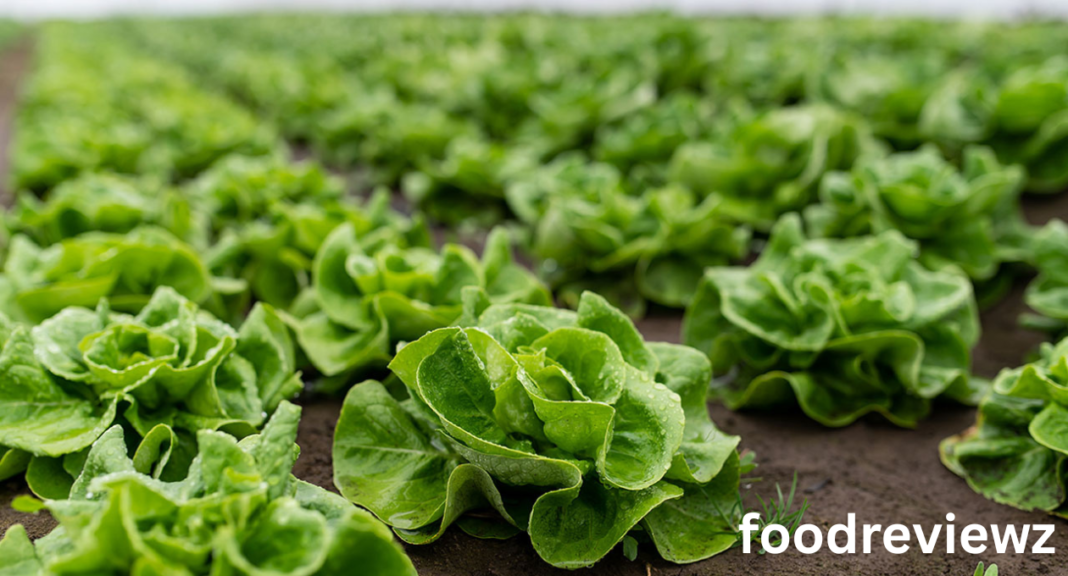

The lettuce shortage has become a growing concern in many parts of the world, affecting households, restaurants, and grocery stores alike. From rising prices to limited availability, this issue highlights how vulnerable our food supply chains can be. Lettuce, a staple ingredient in salads, sandwiches, burgers, and wraps, plays a crucial role in daily diets. When shortages occur, the impact is felt quickly across the food industry.
In recent years, major lettuce-producing regions such as California and Arizona have faced extreme weather conditions, including droughts, heatwaves, and heavy rainfall. These environmental challenges significantly reduce crop yields and disrupt harvesting schedules. Because these states supply a large percentage of lettuce to domestic and international markets, any disruption there can trigger widespread shortages.
Main Causes of the Lettuce Shortage
1. Extreme Weather Conditions
Climate change has intensified unpredictable weather patterns. Droughts reduce water availability for irrigation, while excessive rain can damage crops and cause fungal diseases. Heatwaves can also cause lettuce to bolt prematurely, making it bitter and unsuitable for sale. These factors directly reduce the quantity and quality of lettuce available in the market.
2. Supply Chain Disruptions
Transportation challenges, labor shortages, and fuel price increases have also contributed to the lettuce shortage. When supply chains are strained, even small production declines can lead to noticeable gaps on grocery shelves. Delays in harvesting or shipping can cause lettuce to spoil before reaching stores.
3. Rising Production Costs
Farmers are facing higher costs for seeds, fertilizers, water, and labor. These rising expenses sometimes lead growers to reduce planting areas or switch to more profitable crops. As a result, lettuce production may decrease, tightening supply further.
4. Pest and Disease Outbreaks
Plant diseases and pest infestations can wipe out significant portions of crops. When outbreaks occur in major farming regions, the overall supply of lettuce declines rapidly, increasing prices and limiting availability.
Impact on Consumers and Businesses
The most immediate effect of a lettuce shortage is higher prices. Grocery stores may limit purchases per customer, while restaurants may reduce portion sizes or temporarily remove lettuce-based items from their menus. Fast-food chains, sandwich shops, and salad bars are particularly affected because lettuce is a core ingredient in many offerings.
Consumers may also notice lower-quality produce. When supply is tight, retailers may stock smaller or less fresh heads of lettuce. In some cases, businesses turn to alternative greens such as spinach, kale, or cabbage to fill the gap.
For farmers, the shortage presents mixed outcomes. While some growers benefit from higher market prices, others struggle with reduced yields and increased production costs. The overall agricultural sector experiences instability, which can have long-term economic consequences.
Global Perspective
Although the United States plays a significant role in lettuce production, shortages are not limited to one country. Other agricultural regions, including parts of Spain and Australia, have also experienced lettuce shortages due to extreme weather and supply chain challenges. This demonstrates how interconnected global food systems are. When one region faces disruption, international markets can quickly feel the impact.
Possible Solutions
Addressing the lettuce shortage requires both short-term and long-term strategies. In the short term, diversifying supply sources and improving transportation efficiency can help stabilize availability. Retailers can work with multiple suppliers to reduce dependency on one region.
In the long term, investment in sustainable farming practices is essential. Technologies such as greenhouse farming, hydroponics, and vertical farming can protect crops from harsh weather conditions and increase year-round production. These innovations may help reduce future shortages and create a more resilient food system.
Additionally, governments and agricultural organizations can support farmers through financial assistance, research funding, and climate adaptation programs. Encouraging water conservation and soil health improvements can also enhance crop stability.
Conclusion
The lettuce shortage highlights the fragility of modern food supply chains and the growing influence of climate change on agriculture. From extreme weather to supply chain disruptions, multiple factors contribute to this ongoing challenge. While consumers face higher prices and limited choices, the agricultural industry must adapt to ensure stable production. By investing in sustainable farming practices and improving supply chain resilience, the risk of future lettuce shortages can be reduced.
Faqs
1. Why is there a lettuce shortage?
The lettuce shortage is mainly caused by extreme weather conditions, supply chain disruptions, rising production costs, and pest or disease outbreaks. Major growing regions like California and Arizona have faced droughts, heavy rains, and heatwaves, which significantly reduced crop yields.
2. How long will the lettuce shortage last?
The duration of the shortage depends on weather patterns, crop recovery, and supply chain stability. In many cases, shortages are seasonal and improve within a few months once new crops are harvested. However, recurring climate challenges may cause periodic shortages.
3. Why are lettuce prices so high?
When supply decreases and demand remains steady, prices naturally rise. Higher transportation costs, labor shortages, and increased farming expenses also contribute to higher retail prices.
4. Are all types of lettuce affected?
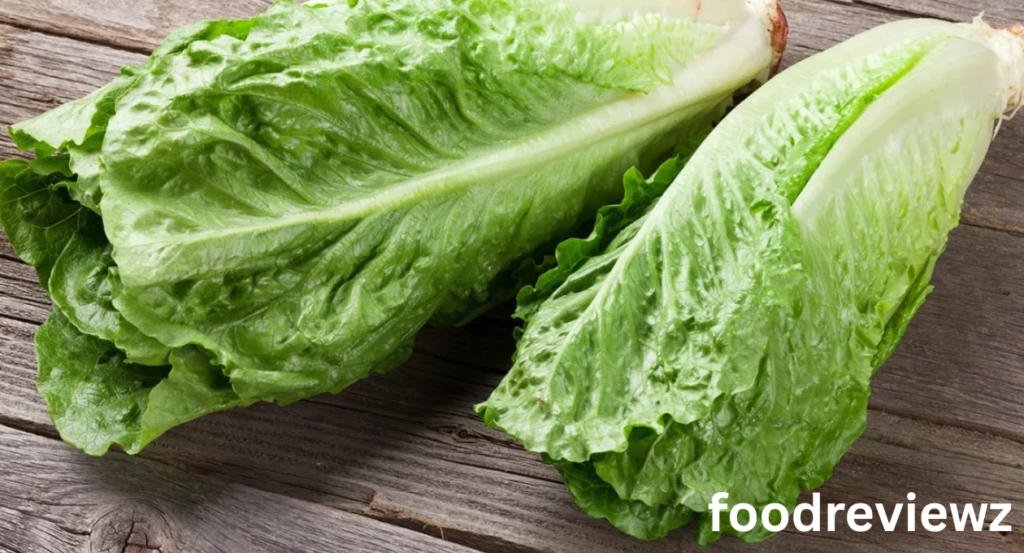
Most common varieties, including iceberg, romaine, and leaf lettuce, can be affected during a shortage. However, the severity may vary depending on the growing region and season.
5. Can I substitute lettuce with other greens?
Yes, you can use alternatives such as spinach, kale, cabbage, or arugula in salads and sandwiches. These greens can provide similar texture and nutritional benefits.