

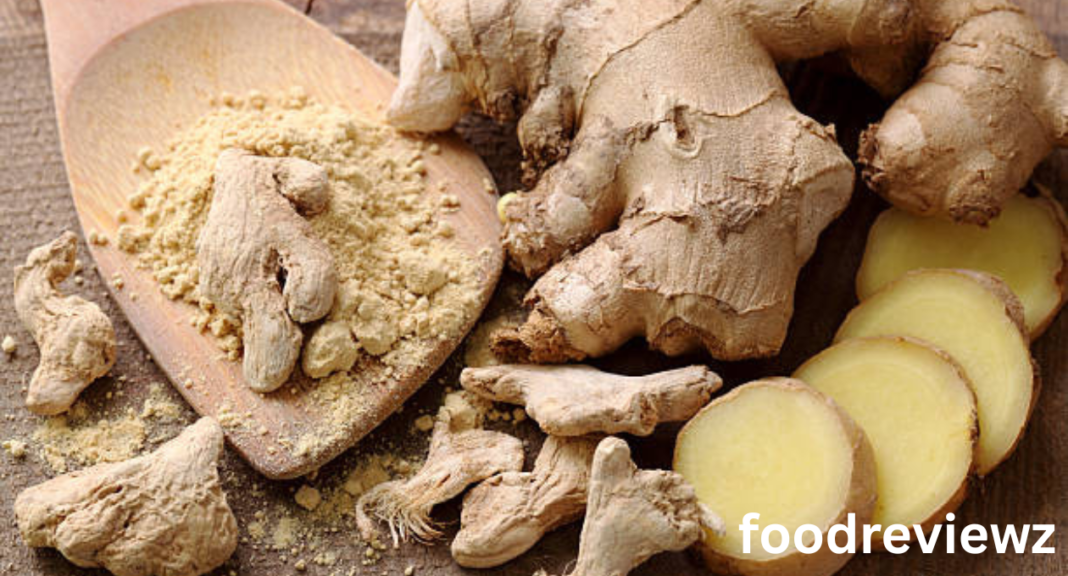

Ginger shortage is one of the most widely used spices in the world, valued for its bold flavor, medicinal properties, and versatility in both sweet and savory dishes. From traditional remedies to modern cuisine, ginger plays an essential role in daily life across Asia, Africa, Europe, and the Americas. However, recent reports of a ginger shortage have raised concerns among farmers, retailers, and consumers alike. Understanding the reasons behind this shortage and its wider impact can help us better prepare for future supply disruptions.
Why Is There a Ginger Shortage?
Several factors contribute to the current ginger shortage. One of the primary causes is unpredictable weather patterns. Ginger is a tropical crop that thrives in warm, humid climates. Countries like India, China, and Nigeria are among the largest producers of ginger globally. When these regions experience heavy rains, flooding, droughts, or extreme heat, crop yields can drop significantly.
In recent years, climate change has made weather patterns more erratic. Excessive rainfall can cause root rot in ginger plants, while drought conditions limit proper root development. Both situations result in lower harvest volumes.
Another major factor is plant disease. Ginger crops are vulnerable to bacterial wilt, soft rot, and fungal infections. Once a disease spreads in a farming region, it can destroy entire fields, reducing supply for both local markets and export.
Rising production costs also contribute to shortages. Fertilizers, transportation, labor, and fuel prices have increased globally. Small-scale farmers may struggle to afford these inputs, leading to reduced planting areas and smaller harvests.
Supply Chain Disruptions
Beyond farming challenges, supply chain disruptions have played a role in the ginger shortage. Global shipping delays, port congestion, and higher freight costs have slowed the movement of goods between countries. Even when ginger is successfully harvested, transporting it to international markets can become complicated and expensive.
Trade restrictions and export controls can also affect availability. When producing countries prioritize domestic consumption, exports may decline, causing shortages in importing nations.
The COVID-19 pandemic further strained supply chains. Lockdowns limited labor availability for harvesting and packaging. Transportation networks faced delays, and increased demand for immune-boosting foods, including ginger, intensified pressure on existing supplies.
Rising Prices for Consumers
One of the most noticeable effects of a ginger shortage is higher prices. When supply decreases and demand remains strong, market prices naturally increase. Consumers may notice that fresh ginger roots, powdered ginger, and ginger-based products cost more than usual.
Restaurants and food manufacturers are also impacted. Ginger is commonly used in sauces, teas, baked goods, and health supplements. Higher ingredient costs can lead to increased menu prices or product reformulations.
In some regions, consumers may temporarily switch to substitutes such as turmeric or galangal. However, these alternatives do not fully replicate ginger’s unique flavor and health benefits.
Impact on Health and Traditional Medicine
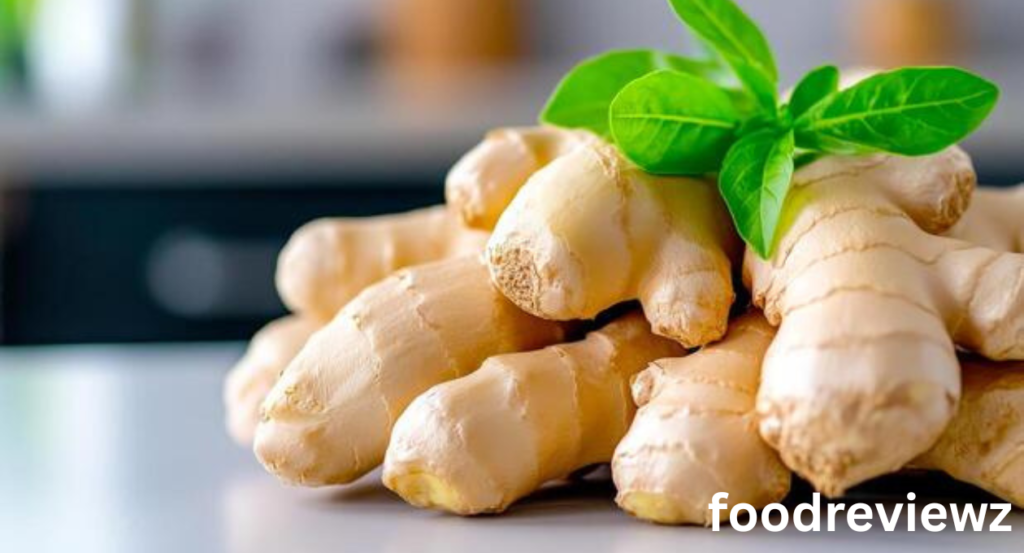
Ginger has long been valued for its medicinal properties. It is widely used to relieve nausea, improve digestion, reduce inflammation, and support immune health. In many cultures, ginger tea is a common remedy for colds and flu.
A shortage can limit access to affordable ginger for households that rely on it for natural remedies. This is particularly significant in rural communities where traditional medicine plays an important role in daily healthcare practices.
How Farmers and Governments Are Responding
To address the ginger shortage, farmers and agricultural experts are exploring solutions such as disease-resistant crop varieties and improved irrigation systems. Sustainable farming practices, including crop rotation and soil management, can also help protect yields.
Governments in major producing countries are investing in agricultural research and providing financial support to farmers. Improving storage facilities and transportation infrastructure can reduce post-harvest losses and stabilize supply.
Some regions are also expanding ginger cultivation to diversify production and reduce dependence on a few major exporters.
Conclusion
The ginger shortage highlights how vulnerable global food systems can be to climate change, disease, and supply chain disruptions. While ginger remains available in most markets, higher prices and limited supply may continue in the short term.
By investing in sustainable farming practices, strengthening supply chains, and supporting farmers, countries can work toward stabilizing ginger production. For consumers, understanding the reasons behind the shortage can encourage smarter purchasing decisions and reduced food waste. Ultimately, ensuring a steady ginger supply requires cooperation across the entire agricultural and trade network.
faqs
1. Why is there a ginger shortage?
The ginger shortage is mainly caused by extreme weather conditions, crop diseases, rising production costs, and global supply chain disruptions. Major producing countries like India and China have experienced climate-related challenges that reduced harvest yields.
2. Is the ginger shortage affecting all countries?
Not all countries are equally affected. Nations that heavily rely on imports may experience higher prices and limited availability. Countries with local ginger production may see less impact, but global trade disruptions can still influence prices.
3. Why have ginger prices increased?
When supply decreases and demand remains strong, prices naturally rise. Increased transportation costs, labor shortages, and fertilizer prices also contribute to higher retail prices for fresh and powdered ginger.
4. How long will the ginger shortage last?
The duration of the shortage depends on weather conditions, crop recovery, and improvements in supply chains. If upcoming harvests are successful and transportation issues stabilize, availability may improve within a season or two.
5. Can I substitute ginger with another spice?
Yes, you can use alternatives like turmeric, galangal, or ground allspice in some recipes. However, these substitutes do not perfectly replicate ginger’s unique flavor and aroma.