

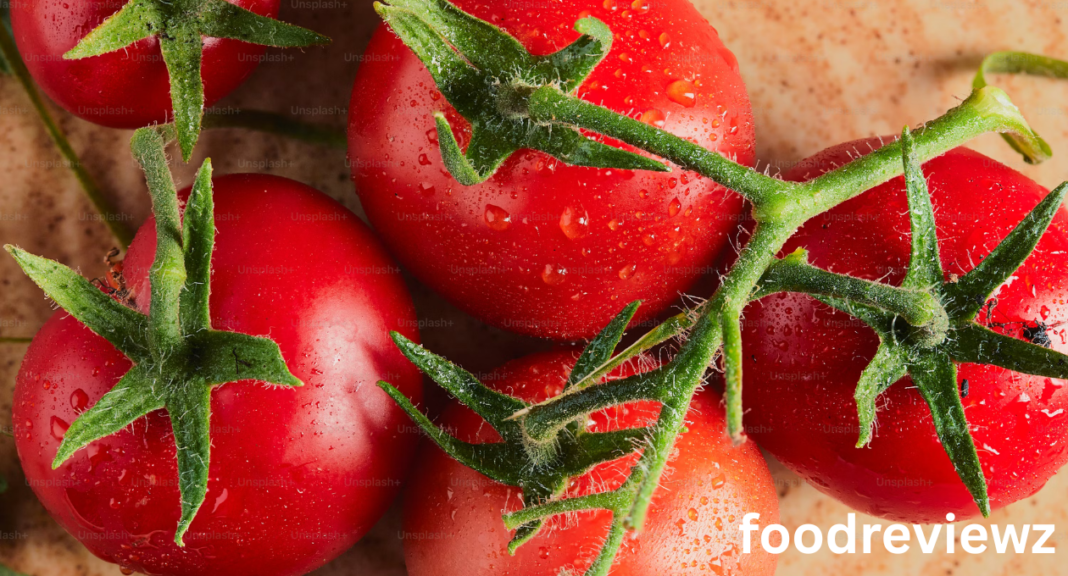

Tomatoes are one of the most widely consumed vegetables in the world. From salads and sauces to soups and fast food, they are a daily kitchen essential. However, tomatoes shortage have become a growing concern in many countries. Rising prices, limited supply, and inconsistent quality have affected households, restaurants, and food industries alike. Understanding the causes and impacts of a tomato shortage can help consumers and farmers respond more effectively.
What Is a Tomato Shortage?
A tomato shortage occurs when the supply of tomatoes in the market is lower than the demand. This imbalance leads to higher prices and reduced availability. In some regions, tomatoes may become so expensive that they are considered a luxury item rather than a basic food ingredient.
Shortages can be temporary, lasting a few weeks or months, or they can extend over longer periods depending on the underlying causes.
Major Causes of Tomato Shortage
Several factors contribute to tomato shortages around the world:
1. Extreme Weather Conditions
Tomatoes are sensitive to weather changes. Heavy rainfall, floods, droughts, and heatwaves can damage crops. Excessive rain can cause fungal diseases, while drought reduces plant growth and fruit production. Climate change has increased the frequency of extreme weather events, making tomato farming more unpredictable.
2. Crop Diseases and Pests
Tomatoes are vulnerable to diseases such as blight and pests like whiteflies and aphids. A widespread outbreak can destroy large portions of crops, reducing supply significantly. Farmers may struggle to control these threats without proper resources and support.
3. Rising Production Costs
Fertilizers, seeds, pesticides, labor, and fuel costs have increased in recent years. When production costs rise, some farmers reduce planting areas or switch to other crops that offer better profits. This reduction in tomato cultivation leads to lower market supply.
4. Transportation and Supply Chain Issues
Tomatoes are perishable and require efficient transportation and storage. Delays in transportation, fuel shortages, or disruptions in supply chains can cause spoilage and limit market availability.
5. Seasonal Dependence
Tomatoes are seasonal crops in many regions. During off-season periods, supply naturally decreases unless greenhouse farming or imports fill the gap. If imports are restricted or local production fails, shortages become more severe.
Impact of Tomato Shortage
Tomato shortages have wide-ranging effects on individuals and businesses.
1. Higher Prices for Consumers
The most noticeable impact is the rise in tomato prices. Households may struggle to afford daily cooking needs, especially in low-income communities. Restaurants and street food vendors also face higher ingredient costs, which may lead to increased menu prices.
2. Impact on Food Industry
Tomatoes are a key ingredient in products like ketchup, sauces, and canned goods. A shortage can disrupt production in food processing industries, affecting availability of these products in supermarkets.
3. Farmer Income Fluctuations
While some farmers may benefit from higher prices, others who lose crops due to disease or weather suffer financial losses. This instability makes farming less predictable and more risky.
4. Nutritional Concerns
Tomatoes are rich in vitamins, minerals, and antioxidants such as lycopene. Reduced consumption due to high prices may impact dietary quality, especially in regions where tomatoes are a staple.

Possible Solutions to Reduce Tomato Shortage
Addressing tomato shortages requires combined efforts from farmers, governments, and consumers.
- Improved Farming Techniques: Using disease-resistant seeds and modern irrigation systems can improve yields.
- Greenhouse Farming: Controlled environments allow year-round production and reduce dependence on seasonal changes.
- Better Storage Facilities: Cold storage and improved transportation reduce post-harvest losses.
- Government Support: Subsidies for fertilizers, seeds, and fuel can help farmers maintain production levels.
- Consumer Awareness: People can reduce waste and consider alternative ingredients during peak shortage periods.
Conclusion
Tomato shortages highlight the delicate balance between supply and demand in agriculture. Factors such as climate change, rising costs, and supply chain disruptions make tomato production increasingly challenging. While shortages may be temporary, their impact on prices, nutrition, and businesses can be significant. By investing in modern farming methods and improving supply systems, communities can reduce the risk of future shortages and ensure that tomatoes remain an affordable and accessible staple for everyone.
faqs
1. Why is there a tomato shortage?
A tomato shortage usually happens due to extreme weather conditions, crop diseases, pest attacks, rising farming costs, and supply chain disruptions. Seasonal changes and transportation problems can also reduce the supply in markets.
2. How long does a tomato shortage last?
The duration of a tomato shortage depends on the cause. If it is due to seasonal changes, it may last a few weeks or months. However, if caused by severe weather or widespread crop disease, it can continue for a longer period.
3. Why do tomato prices increase so quickly during a shortage?
Tomatoes are highly perishable and in high demand. When supply decreases and demand remains strong, prices rise rapidly. Limited stock in markets can further push prices higher.
4. How does a tomato shortage affect restaurants and food businesses?
Restaurants and food manufacturers rely heavily on tomatoes for sauces, salads, and processed products. A shortage increases their costs, which may lead to higher menu prices or reduced portion sizes.
5. Can climate change cause tomato shortages?
Yes, climate change can significantly affect tomato production. Increased heatwaves, floods, and droughts can damage crops, reduce yields, and contribute to supply shortages.