



When it comes to comfort in a bowl, few dishes compete with a warm serving of soup or a silky bisque. While many people use the terms interchangeably, they’re not the same thing. Understanding the difference between Bisque vs Soup can elevate your cooking knowledge—and help you order (or prepare) exactly what you’re craving
What Is Soup?
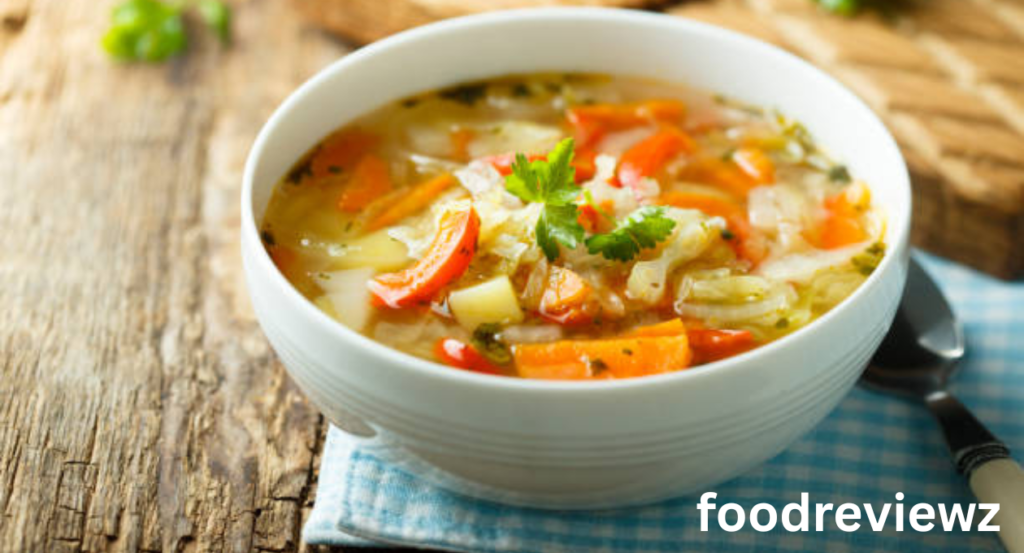
Soup is a broad culinary category that includes a wide variety of hot (and sometimes cold) liquid-based dishes. At its core, soup is made by combining ingredients such as vegetables, meat, grains, or legumes with stock, broth, water, or milk.
There are many types of soup, including:
- Clear soups – Light broths with visible ingredients (like chicken noodle).
- Cream soups – Thickened with milk or cream.
- Pureed soups – Blended for a smooth texture.
- Chunky soups – Hearty and filled with solid pieces.
One famous example is French onion soup, known for its savory broth, caramelized onions, and melted cheese topping. Another classic is minestrone, a hearty Italian vegetable soup often packed with beans and pasta.
Soup’s defining feature is its versatility. It can be thin or thick, rustic or refined, vegetarian or meat-based. The texture and preparation methods vary widely depending on culture and recipe.
In short, “soup” is the umbrella term.
What Is Bisque?
Bisque, on the other hand, is a specific type of soup—but not all soups are bisques.
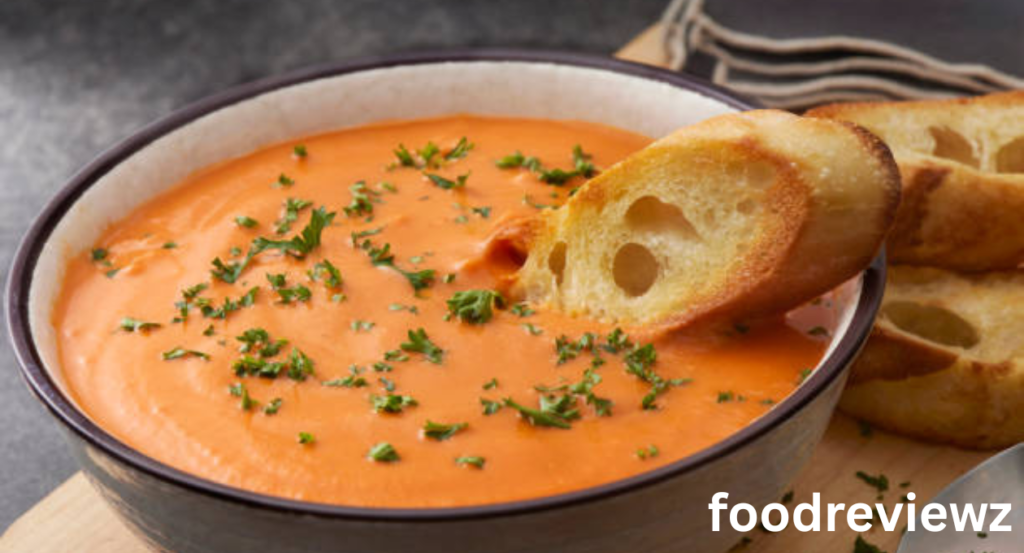
Traditionally, bisque is a smooth, creamy, highly seasoned soup of French origin. It’s most commonly made from shellfish such as lobster, crab, or shrimp. The word “bisque” is closely associated with classic French cuisine and refined dining.
A well-known example is lobster bisque, a luxurious dish made by simmering lobster shells to extract deep flavor, then blending and straining the mixture into a velvety consistency.
What makes bisque unique?
Shellfish Base – Traditionally made with crustaceans.
Smooth Texture – Always pureed and strained until silky.
Cream Enrichment – Finished with cream for richness.
Intense Flavor – Often includes wine, cognac, and aromatics.
Unlike chunky soups, bisque is never rustic in texture. It is elegant, smooth, and rich.
Key Differences Between Bisque and Soup
Here’s a clear comparison:
| Feature | Soup | Bisque |
| Category | Broad term | Specific type of soup |
| Texture | Can be chunky, clear, or smooth | Always smooth and creamy |
| Main Ingredients | Vegetables, meat, grains, legumes | Traditionally shellfish |
| Cream Content | Optional | Almost always includes cream |
| Preparation | Varies widely | Blended and strained for silkiness |
In modern cooking, the definition has loosened slightly. You may see tomato bisque or roasted red pepper bisque on restaurant menus. While these may not include shellfish, they mimic the creamy, smooth texture and richness of traditional bisque.
Which One Should You Choose?
If you’re looking for something light and brothy, a traditional soup like vegetable or chicken noodle may be your best bet. If you want something indulgent, creamy, and refined, bisque delivers a more luxurious experience.
Soup is perfect for everyday meals. Bisque feels special—ideal for dinner parties or elegant starters.
Conclusion
In the world of comforting bowls and cozy meals, understanding the difference between bisque and soup adds a new layer of appreciation to both. Soup is a broad and versatile category, ranging from light broths to hearty stews, adaptable to nearly any ingredient or cuisine. Bisque, however, is a refined subset—traditionally shellfish-based, carefully blended, and enriched with cream to create a smooth, luxurious texture.
While modern recipes may blur the lines by labeling creamy vegetable blends as “bisque,” the essence of a true bisque remains rooted in French culinary tradition and meticulous preparation. Ultimately, the choice between soup and bisque comes down to what you’re craving: something simple and nourishing or something rich and indulgent.
FAQs
1. Is bisque just a fancy word for soup?
No. Bisque is a specific type of soup, traditionally made from shellfish and blended into a smooth, creamy texture. While all bisques are soups, not all soups qualify as bisques.
2. Does bisque always contain seafood?
Traditionally, yes. Classic French bisques are made with crustaceans like lobster, shrimp, or crab. However, modern recipes sometimes use the term “bisque” for creamy vegetable soups, even without seafood.
3. What makes bisque thicker than regular soup?
Bisque is typically thickened by blending the ingredients thoroughly and adding cream. Some traditional recipes also use rice or the ground shells of shellfish to enhance thickness and texture.
4. Can soup be creamy like bisque?
Yes. Many soups are cream-based, such as cream of mushroom or cream of chicken. The difference is that bisque is always smooth and refined, while creamy soups may still have chunks or a less silky texture.
5. Is bisque served as a main dish or appetizer?
Bisque is often served as an elegant starter in formal meals, but it can also be enjoyed as a main dish, especially when paired with bread or a light salad.