

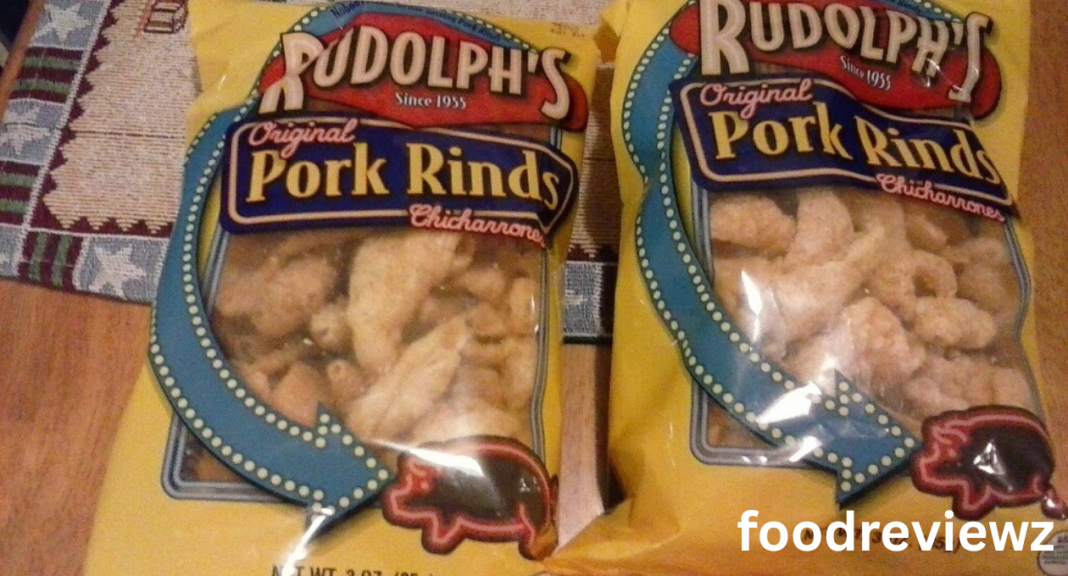

Pork rinds have become a popular snack in recent years, especially among people following low-carb or high-protein diets such as keto or carnivore. Crispy, salty, and satisfying, these crunchy bites are often marketed as a protein-rich alternative to chips and other processed snacks. But many people still wonder: Do Pork Rinds Have Protein, and are they a healthy way to get it? Understanding what pork rinds are made from and how they are prepared can help answer this question.
What Are Pork Rinds?
Pork rinds are a snack made from the skin of a pig. The skin is typically deep-fried or roasted until it becomes light, crispy, and crunchy. During the cooking process, the fat under the skin renders out, leaving behind the airy texture that makes pork rinds so distinctive.
Because they are derived from animal skin, pork rinds contain collagen-based protein. Collagen is a structural protein found in skin, bones, and connective tissue. When pork skin is cooked at high temperatures, the collagen breaks down and forms the crunchy structure of the snack.
Protein Content in Pork Rinds
Yes, pork rinds do contain protein, and in many cases they contain quite a bit of it. A typical 1-ounce (about 28 grams) serving of pork rinds usually contains:
- Around 8–9 grams of protein
- 0 grams of carbohydrates
- About 5 grams of fat
- Roughly 150–160 calories
This makes pork rinds appealing for people trying to reduce carbohydrates while increasing protein intake. Unlike traditional potato chips or crackers, pork rinds do not contain starch or sugars, which is why they are often included in ketogenic diets.
However, it is important to understand that the protein in pork rinds is not the same as the protein found in meat, eggs, or dairy. Most of the protein comes from collagen, which lacks some essential amino acids that the body needs for muscle growth and repair.
Is the Protein in Pork Rinds Complete?
Protein quality depends on its amino acid profile. Complete proteins contain all nine essential amino acids in adequate amounts. Foods like chicken, beef, fish, eggs, and dairy products provide complete proteins.
Pork rinds mainly contain collagen protein, which is lower in certain essential amino acids such as tryptophan. Because of this, pork rinds are considered an incomplete protein source. This means they should not be relied on as the main source of protein in your diet.
That said, they can still contribute to your overall daily protein intake when combined with other protein-rich foods.
Are Pork Rinds Healthy?
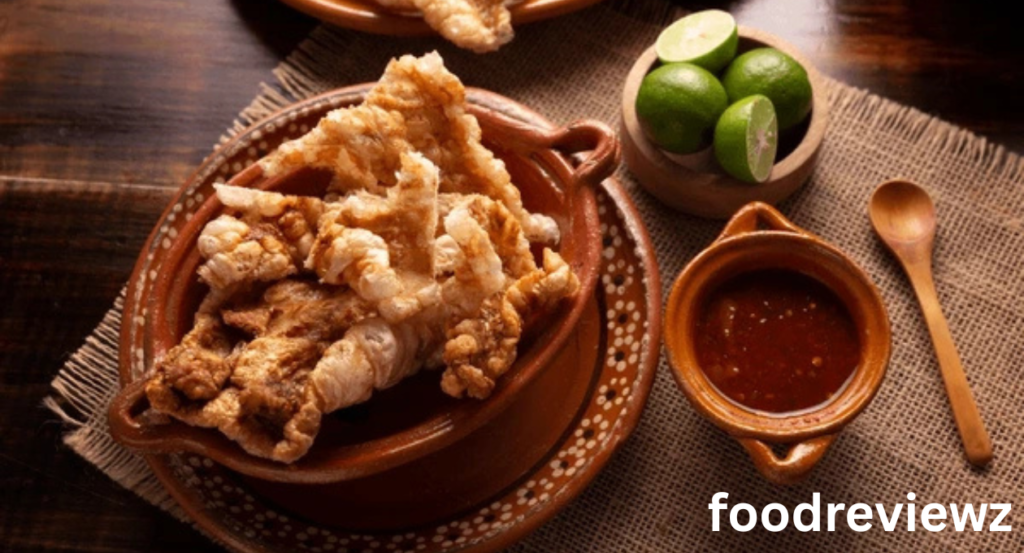
The health value of pork rinds depends largely on how often and how much you consume. There are some potential benefits as well as drawbacks.
Potential benefits include:
- High in protein compared to many snack foods
- Completely free of carbohydrates
- Often gluten-free, making them suitable for some dietary restrictions
Possible downsides include:
- High sodium content
- Fried preparation method
- Limited nutritional value beyond fat and protein
Many commercial brands of pork rinds contain large amounts of salt, which may contribute to high blood pressure if consumed excessively. Additionally, since they are usually fried, they can be relatively high in calories.
Pork Rinds in Popular Diets
Pork rinds have become particularly popular in low-carbohydrate and ketogenic diets. Because they contain zero carbs, they are often used as a substitute for bread crumbs, chips, or crackers.
Some people also crush pork rinds to use them as a coating for fried foods or as a crunchy topping for casseroles. This allows them to add texture without increasing carbohydrate intake.
Still, nutrition experts generally recommend using pork rinds as an occasional snack rather than a daily staple. A balanced diet should include a variety of protein sources such as lean meats, fish, eggs, legumes, and dairy products.
Conclusion
Pork rinds do contain protein, which is one of the reasons they have become a popular snack for people following low-carb or ketogenic diets. A small serving can provide a moderate amount of protein while containing zero carbohydrates, making pork rinds an appealing alternative to traditional chips and crackers. Their crunchy texture and savory flavor also make them a satisfying snack option for many people.
However, the protein in pork rinds mainly comes from collagen, which is considered an incomplete protein. This means it does not provide all the essential amino acids your body needs in the right amounts for muscle growth and overall health. Because of this, pork rinds should not be relied on as your primary protein source.
faqs
1. Do pork rinds have a lot of protein?
Yes, pork rinds contain a moderate amount of protein. A typical 1-ounce (28-gram) serving usually provides around 8–9 grams of protein, which is relatively high compared to many other snack foods like chips or crackers.
2. Are pork rinds a good source of protein?
Pork rinds provide protein, but they are not considered the best source. Most of the protein comes from collagen, which is an incomplete protein and lacks some essential amino acids the body needs.
3. Do pork rinds contain carbohydrates?
No, pork rinds generally contain 0 grams of carbohydrates. This is why they are commonly included in low-carb, keto, and carnivore diets.
4. Can pork rinds help with muscle building?
While pork rinds do contain protein, they are not ideal for muscle building because collagen protein lacks certain amino acids needed for muscle repair and growth. Foods like chicken, eggs, fish, and dairy are better protein sources for this purpose.
5. Are pork rinds healthier than potato chips?
In some ways they can be. Pork rinds usually contain no carbs and more protein than potato chips. However, they are often high in sodium and fat, so they should still be eaten in moderation.