

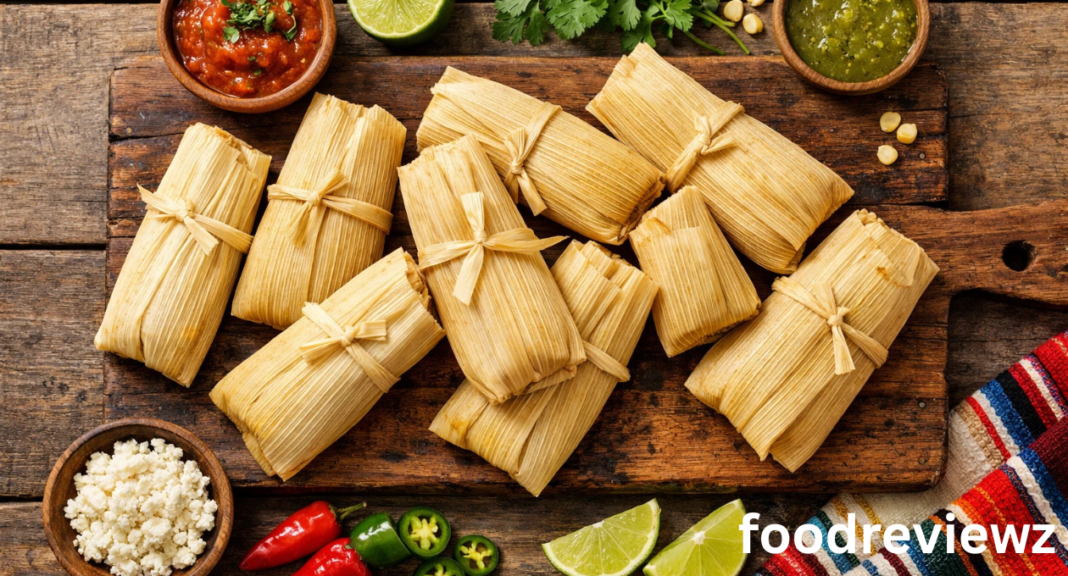

Tamales are a beloved traditional dish enjoyed across many Latin American cultures, especially in Mexico. Made from masa (corn dough) and typically filled with meats, cheeses, vegetables, or chilies, tamales are wrapped in corn husks and steamed to perfection. They are rich in history, flavor, and cultural significance. But when it comes to health and nutrition, many people wonder: are tamales healthy? The answer depends on ingredients, portion size, and preparation methods. Understanding what goes into tamales can help you decide how they fit into a balanced diet.
Nutritional Basics of Tamales
Tamales are primarily made from masa harina, a corn-based dough that provides carbohydrates for energy. The fillings can vary widely, including chicken, pork, beans, vegetables, cheese, or even sweet ingredients like fruits. Because of this variety, the nutritional value of tamales can change significantly depending on how they are prepared.
On average, a typical savory tamale contains around 200–300 calories. It usually provides carbohydrates from the corn dough, protein from the filling, and fats from ingredients like lard or oils used in the masa. Tamales can also offer small amounts of fiber, vitamins, and minerals such as iron, magnesium, and B vitamins, particularly when made with whole corn masa and nutritious fillings.
Potential Health Benefits
One reason tamales can be considered a relatively healthy traditional food is their simple ingredient base. Corn masa is naturally gluten-free, making tamales a suitable option for people who have gluten sensitivities or celiac disease. Corn also contains antioxidants called carotenoids, which support eye health and overall wellness.
Another benefit comes from the fillings. When tamales are made with lean proteins like chicken, beans, or vegetables, they can provide a good source of protein and fiber. Beans and vegetable fillings, in particular, can increase the fiber content, helping with digestion and supporting heart health.
Tamales are also steamed rather than fried, which is a healthier cooking method. Steaming helps preserve nutrients while avoiding excess oils that add unnecessary calories.
Factors That Can Make Tamales Less Healthy
While tamales can offer nutritional benefits, certain preparation choices may increase calories and fat. Traditional recipes often include lard in the masa dough to achieve a soft and rich texture. Although this adds flavor, it also increases saturated fat content. Eating tamales frequently or in large portions can contribute to higher calorie intake.
Portion size is another important factor. Tamales are often served during celebrations and holidays, where it is easy to eat multiple servings. Consuming several tamales in one sitting can quickly add up in calories and sodium, especially if they contain salty fillings like processed meats or cheese.
Additionally, some tamales include sauces or toppings that add extra sodium or sugar. Sweet tamales, for example, may contain added sugar, making them more similar to desserts than everyday meals.
How to Make Tamales Healthier
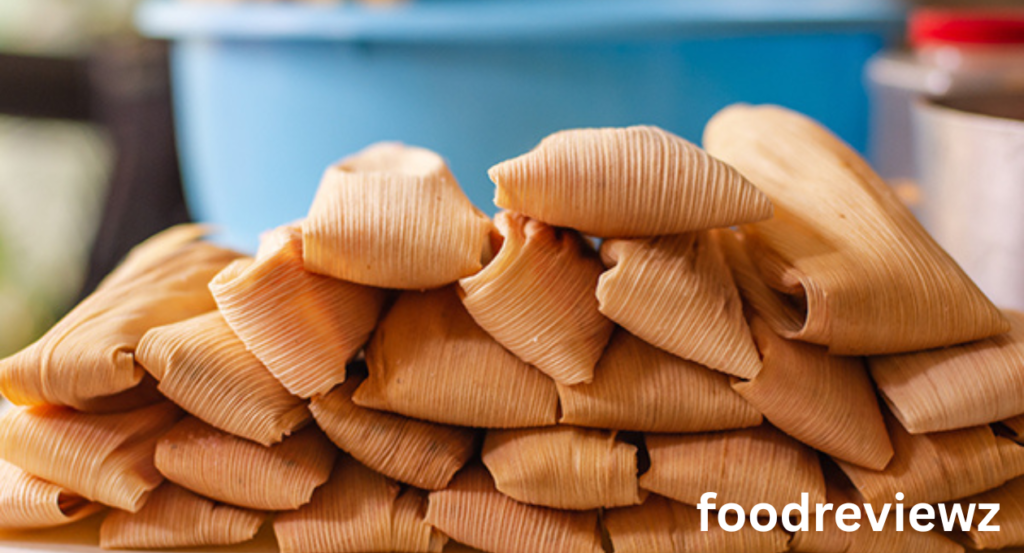
If you enjoy tamales but want to keep them healthier, there are several ways to adjust the recipe. Using vegetable oil or olive oil instead of lard can help reduce saturated fat. Choosing lean protein fillings such as chicken breast, turkey, or beans can also make a big difference in the overall nutritional profile.
Adding vegetables like peppers, spinach, zucchini, or corn to the filling can boost vitamins, minerals, and fiber. Whole-grain masa or masa mixed with other nutritious ingredients may also improve the fiber content.
Portion control is equally important. Enjoying one or two tamales alongside a salad, beans, or fresh vegetables can create a more balanced meal while keeping calorie intake in check.
The Bottom Line
Tamales can absolutely be part of a healthy diet when eaten in moderation and prepared with nutritious ingredients. They provide energy from corn masa, protein from fillings, and important nutrients depending on the recipe. However, traditional versions made with large amounts of lard or salty fillings may be higher in fat and calories.
Ultimately, tamales are best enjoyed as part of a balanced diet that includes plenty of vegetables, lean proteins, and whole foods. With thoughtful preparation and mindful portion sizes, this traditional dish can remain both delicious and reasonably healthy.
Conclusion
Tamales can be a nutritious and satisfying food when prepared thoughtfully and eaten in moderation. Their core ingredient, corn masa, provides energy and is naturally gluten-free, while fillings such as beans, vegetables, and lean meats can add valuable protein, fiber, and essential nutrients. Because tamales are typically steamed rather than fried, they can be a healthier option compared to many other traditional comfort foods.
faqs
1. Are tamales good for weight loss?
Tamales can fit into a weight-loss diet if eaten in moderation. A single tamale usually contains around 200–300 calories, so portion control is important. Choosing tamales with lean proteins or vegetable fillings instead of fatty meats can help keep calories lower.
2. Are tamales gluten-free?
Yes, most traditional tamales are naturally gluten-free because they are made with corn masa rather than wheat flour. However, it is always wise to check ingredients, especially in store-bought tamales, as some sauces or additives may contain gluten.
3. How many tamales can you eat in one meal?
For a balanced meal, most people should eat one to two tamales along with vegetables or a salad. Eating several tamales at once can increase calorie and sodium intake.
4. Are homemade tamales healthier than store-bought ones?
Homemade tamales are often healthier because you can control the ingredients. You can reduce the amount of fat, choose lean meats, and add vegetables, which can make the dish more nutritious.
5. Do tamales contain a lot of fat?
Tamales can contain moderate to high amounts of fat depending on the recipe. Traditional versions often use lard in the masa dough. Using healthier oils or reducing the fat can make them lighter and healthier.
6. Can tamales be part of a balanced diet?
Yes, tamales can be part of a balanced diet when eaten in moderation and paired with healthy sides like vegetables, beans, or fresh salsa. Choosing nutrient-rich fillings also improves their nutritional value.