

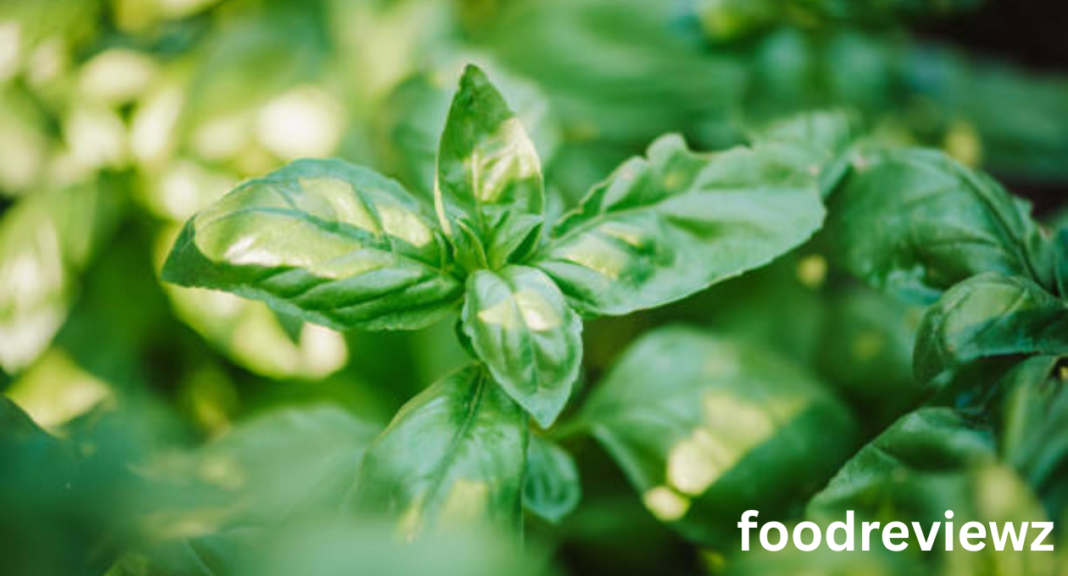

Basil, a fragrant herb widely used in cuisines around the world, has recently faced supply challenges in various regions. Known for its role in dishes like pesto, pasta sauces, and fresh salads, basil is a staple ingredient in both home kitchens and the food industry. However, a growing basil shortage has begun to affect availability and prices, raising concerns among consumers, farmers, and businesses alike.
What Is Causing the Basil Shortage?
Several factors have contributed to the basil shortage. One of the main reasons is climate change and unpredictable weather patterns. Basil is a delicate plant that thrives in warm, stable conditions. Sudden temperature drops, excessive rainfall, or prolonged droughts can damage crops and reduce yields significantly.
Another major factor is plant disease, particularly fungal infections like downy mildew. This disease spreads quickly in humid environments and can destroy entire basil crops within days. Farmers often struggle to control it without affecting the quality of the herb, leading to reduced production.
Additionally, supply chain disruptions have played a role. Global transportation issues, labor shortages, and increased fuel costs have made it harder to distribute fresh herbs efficiently. Since basil is highly perishable, any delay in transportation can result in spoilage and loss.
Impact on Prices and Availability
The basil shortage has led to noticeable changes in the market. Prices have increased in many regions due to limited supply and high demand. Restaurants, especially those specializing in Italian or Mediterranean cuisine, have felt the impact the most, as basil is a key ingredient in many of their dishes.
For consumers, fresh basil may not always be available at local grocery stores, or it may come at a higher price. In some cases, stores have turned to importing basil from other countries, which can further increase costs due to shipping and handling.
Effects on the Food Industry
The shortage has forced many businesses to adapt. Restaurants and food manufacturers are exploring alternatives such as dried basil, frozen basil, or even substitute herbs like parsley or cilantro. While these alternatives can help maintain supply, they often lack the same flavor and aroma as fresh basil.
Food producers who rely on basil for sauces, pestos, and ready-made meals may also face production challenges. Some companies have had to reduce output or reformulate recipes to cope with the limited availability.
How Farmers Are Responding
Farmers are actively seeking solutions to overcome the basil shortage. Many are investing in greenhouse farming, which allows for better control over temperature, humidity, and pests. This method helps protect basil crops from harsh weather and diseases.
Others are turning to hydroponic systems, where basil is grown in nutrient-rich water instead of soil. This approach not only reduces the risk of disease but also allows for year-round production. While these methods can be costly initially, they offer long-term benefits and stability.
What Can Consumers Do?
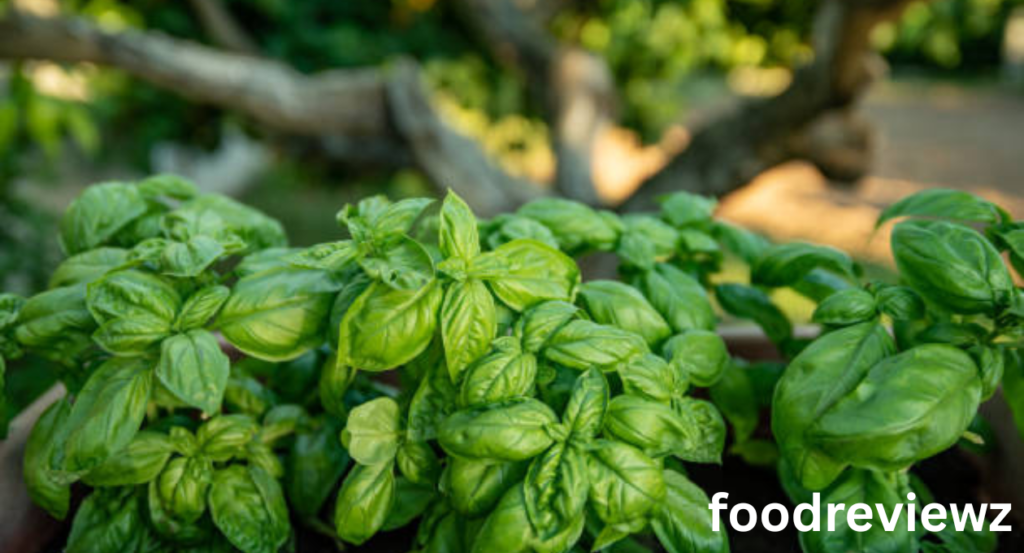
Consumers can take simple steps to deal with the basil shortage. One effective option is to grow basil at home. Basil is relatively easy to grow in pots or small gardens, making it accessible even for beginners. With proper care, a single plant can provide a steady supply of fresh leaves.
Another option is to use alternatives when basil is unavailable. Herbs like oregano, thyme, or mint can provide different but enjoyable flavors in various dishes. While they may not fully replicate basil’s taste, they can still enhance meals.
Conclusion
The basil shortage highlights the broader challenges facing agriculture today, from climate change to supply chain disruptions. While the situation has affected prices and availability, it has also encouraged innovation among farmers and adaptability among consumers and businesses. By exploring new growing methods and being open to alternatives, the impact of the shortage can be managed effectively. In the long run, increased awareness and sustainable practices may help ensure a more stable supply of this beloved herb.
faqs
1. Why is there a basil shortage?
The basil shortage is mainly caused by unpredictable weather, plant diseases like downy mildew, and supply chain disruptions. These factors reduce crop yields and make it harder to transport fresh basil efficiently.
2. Is basil still available in stores?
Yes, basil is still available in many places, but it may be less consistent and more expensive. Some stores may also stock imported basil or offer limited quantities.
3. Why has the price of basil increased?
Prices have risen due to lower production and higher demand. Transportation costs and spoilage during delays also contribute to higher retail prices.
4. Can I use substitutes for basil in cooking?
Yes, you can use herbs like oregano, parsley, mint, or cilantro as alternatives. While they won’t taste exactly the same, they can still add flavor to your dishes.
5. Is dried basil a good replacement for fresh basil?
Dried basil can be used as a substitute, but it has a milder and slightly different flavor. It works best in cooked dishes rather than fresh recipes like salads.