

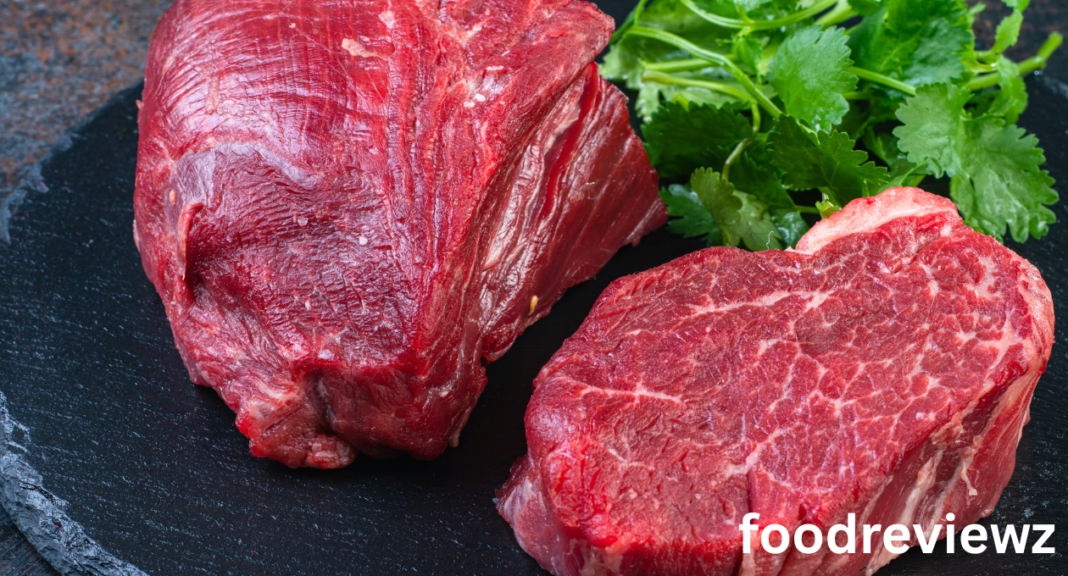

In recent years, the global food supply chain has faced repeated disruptions, and one issue gaining increasing attention is the beef shortage. Beef is a staple protein for millions of households and a critical product for restaurants, retailers, and the agriculture sector. When beef supplies tighten, the effects ripple across economies, diets, and food prices. Understanding why beef shortages occur and how they affect consumers can help people prepare and adapt more effectively.
What Is a Beef Shortage?
A beef shortage happens when the supply of beef cannot meet consumer demand. This imbalance can be temporary or long-term, depending on the underlying causes. Shortages may show up as higher prices at grocery stores, limited availability of certain cuts, or reduced menu options at restaurants. While shortages are not always absolute, even small disruptions can significantly impact the market.
Key Causes of the Beef Shortage
Several factors contribute to beef shortages, often occurring simultaneously:
1. Rising Production Costs
Cattle farming has become more expensive due to higher feed prices, fuel costs, and labor shortages. When it costs more to raise cattle, some farmers reduce herd sizes or exit the industry altogether, lowering overall beef production.
2. Climate Change and Extreme Weather
Droughts, floods, and heatwaves directly affect cattle health and feed availability. Prolonged droughts reduce grazing land and water supplies, forcing ranchers to sell cattle early or reduce herds, which eventually leads to less beef in the market.
3. Disease Outbreaks
Livestock diseases can disrupt beef supply by reducing cattle populations or restricting trade. Even localized outbreaks can lead to widespread impacts if movement restrictions are imposed to prevent disease spread.
4. Labor and Processing Issues
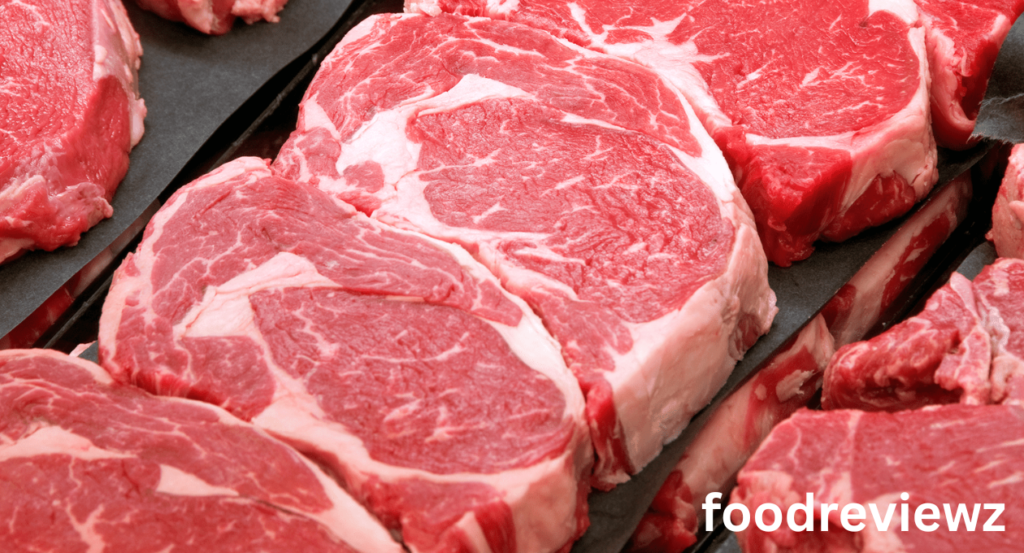
Beef shortages are not only about cattle numbers. Meat processing plants require skilled labor, and staffing shortages can slow down processing capacity. When fewer animals are processed, less beef reaches retailers, even if cattle are available.
5. Increased Global Demand
Global population growth and rising incomes in developing countries have increased demand for beef. When demand rises faster than supply, shortages and price increases become more likely.
Economic and Social Impacts
The beef shortage affects more than just grocery store shelves. Consumers often face higher prices, making beef less affordable for low- and middle-income households. Restaurants may adjust menus, raise prices, or switch to alternative proteins. Farmers and ranchers experience mixed effects—while prices may rise, higher costs and unpredictable conditions increase financial risk.
On a broader scale, beef shortages can contribute to food inflation, influencing overall cost-of-living trends. Countries that rely heavily on beef imports may face additional pressure on foreign exchange reserves and food security.
How Consumers Are Adapting
As beef becomes more expensive or less available, many consumers are changing their eating habits. Some households are reducing beef consumption, choosing smaller portions, or switching to alternative proteins such as chicken, fish, beans, or plant-based options. This shift can have positive effects on health and the environment, though it also reflects economic necessity rather than preference for many families.
Potential Solutions and Future Outlook
Addressing the beef shortage requires a multi-pronged approach. Investments in sustainable farming practices, improved feed efficiency, and climate-resilient agriculture can help stabilize supply. Strengthening local production and improving meat processing infrastructure may reduce dependence on vulnerable supply chains. In the long term, diversifying protein sources can ease pressure on the beef industry.
Conclusion
The beef shortage is a complex issue driven by economic, environmental, and logistical factors. Its impacts are felt across the food system, from farmers to consumers. While short-term challenges may persist, better planning, sustainable practices, and flexible consumer choices can help reduce the strain. Understanding the causes and consequences of beef shortages empowers individuals and policymakers to make informed decisions in an increasingly uncertain food landscape.