

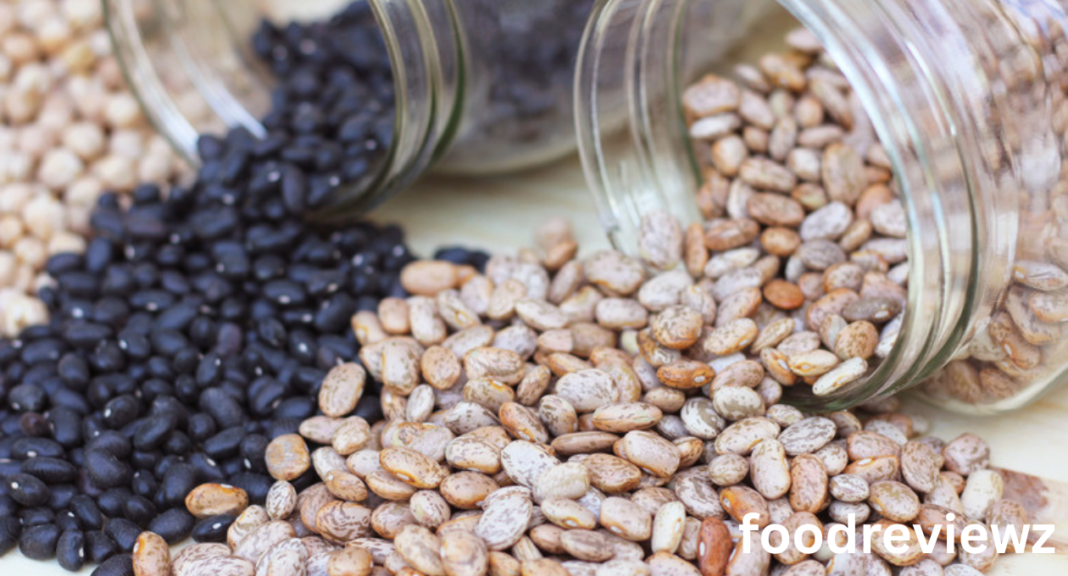

Beans are a staple food in many cultures around the world. Among the most popular varieties are Black Beans vs Pinto Beans, both valued for their rich flavor, nutritional benefits, and versatility in cooking. While they share many similarities, these two legumes also have distinct characteristics that make each one unique. Understanding their differences can help you choose the right bean for your meals and nutritional goals.
What Are Black Beans?
Black beans, sometimes called turtle beans, are small, oval-shaped legumes with a deep black skin and creamy interior. They are widely used in Latin American and Caribbean cuisines, especially in dishes such as black bean soup, rice and beans, burritos, and salads.
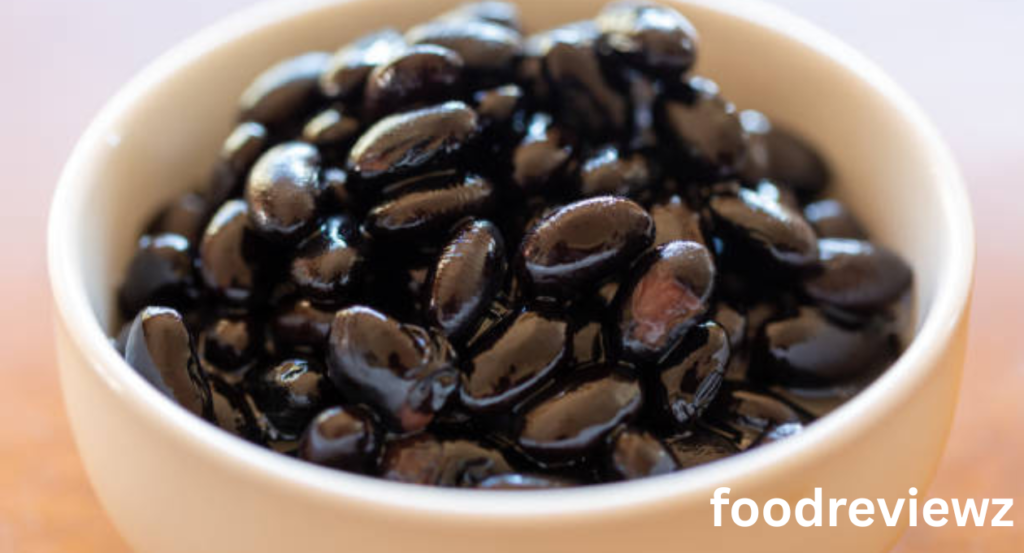
One of the most notable qualities of black beans is their slightly sweet, earthy flavor and firm texture. Because they hold their shape well during cooking, they are excellent for recipes where beans need to remain intact rather than become soft or mashed.
Black beans are also nutritionally impressive. They are packed with plant-based protein, dietary fiber, vitamins, and minerals. A typical serving contains high amounts of iron, magnesium, folate, and antioxidants. The dark color of black beans indicates the presence of compounds known as anthocyanins, which are also found in blueberries and are known for their potential health benefits.
What Are Pinto Beans?
Pinto beans are medium-sized beans with a beige base color and reddish-brown speckles. The name “pinto” comes from the Spanish word for “painted,” referring to their speckled appearance. When cooked, these beans turn a soft pinkish-brown color and develop a creamy texture.
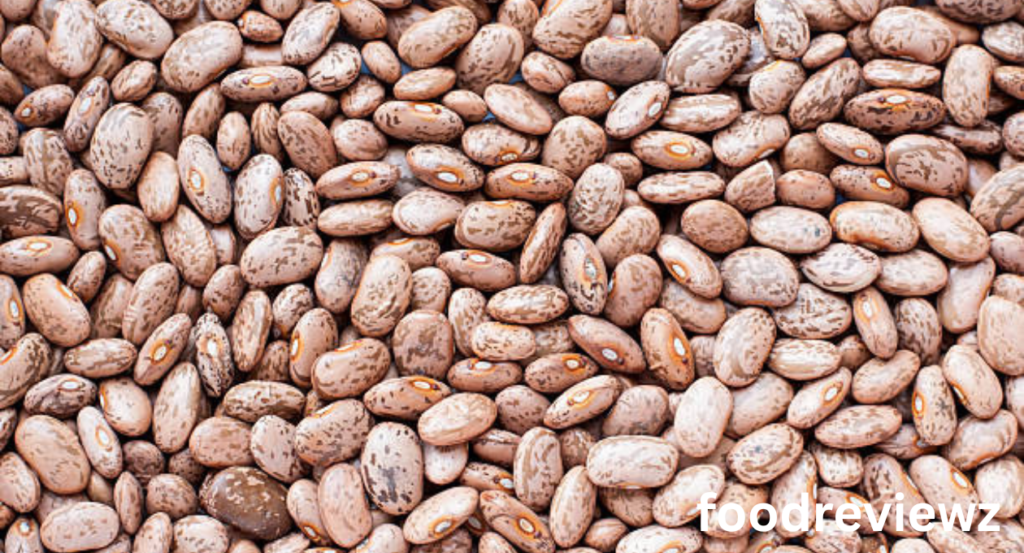
Pinto beans are especially popular in Mexican and Southwestern cuisine. They are commonly used in dishes such as refried beans, chili, bean dips, and burrito fillings. Because they become soft and creamy when cooked, they are ideal for mashed or blended recipes.
Like black beans, pinto beans are highly nutritious. They provide protein, fiber, complex carbohydrates, and essential minerals such as potassium and magnesium. Their high fiber content supports digestion and can help regulate blood sugar levels.
Nutritional Comparison
Both black beans and pinto beans are excellent choices for a healthy diet. In terms of calories and macronutrients, they are quite similar. Each provides a significant amount of protein and fiber, making them a satisfying option for vegetarians and anyone looking to reduce meat consumption.
However, there are small differences. Black beans tend to contain slightly more antioxidants, thanks to their dark skin. Pinto beans, on the other hand, often provide a bit more folate, which is important for cell growth and overall health.
Despite these minor differences, both beans are considered nutrient-dense foods that can support heart health, improve digestion, and help maintain stable energy levels throughout the day.
Flavor and Texture Differences
Flavor and texture are where black beans and pinto beans differ the most.
Black beans have a firmer texture and a mildly sweet, earthy taste. They work well in salads, rice dishes, soups, and tacos where you want the beans to remain whole.
Pinto beans, in contrast, become soft and creamy when cooked. Their flavor is slightly nutty and rich, which makes them perfect for refried beans, spreads, and hearty stews.
Choosing between the two often depends on the type of dish you are preparing. If you need beans that stay firm, black beans are usually the better option. If you want a creamy texture, pinto beans are ideal.
Which One Should You Choose?
In truth, there is no clear winner between black beans and pinto beans. Both are nutritious, affordable, and versatile ingredients that can enhance many meals. The best choice often depends on your taste preference, cooking style, and the specific recipe you are making.
Including a variety of beans in your diet is one of the simplest ways to improve nutrition while enjoying delicious meals. Whether you choose black beans for their bold flavor or pinto beans for their creamy texture, both options offer excellent health benefits and culinary possibilities.
Conclusion
Both black beans and pinto beans are nutritious, affordable, and versatile ingredients that fit well into a balanced diet. While black beans are known for their firm texture, slightly sweet flavor, and higher antioxidant content, pinto beans are valued for their creamy consistency and rich, nutty taste. Each type of bean shines in different recipes and cuisines, making them useful staples in many kitchens.
From a nutritional perspective, the differences between the two are small. Both provide a strong source of plant-based protein, fiber, vitamins, and essential minerals that support heart health, digestion, and overall wellness. Because they are filling and nutrient-dense, beans can also help with weight management and maintaining stable energy levels.
faqs
1. Are black beans healthier than pinto beans?
Both beans are very healthy and offer similar nutritional benefits. Black beans contain slightly more antioxidants, while pinto beans may provide a bit more folate. Overall, both are excellent choices for a nutritious diet.
2. Which beans are better for weight loss?
Both black beans and pinto beans can support weight loss because they are high in fiber and protein. These nutrients help keep you full for longer and may reduce overeating.
3. Can black beans replace pinto beans in recipes?
Yes, black beans can often be used as a substitute for pinto beans in many recipes. However, the texture and flavor may differ slightly, especially in dishes like refried beans where pinto beans are traditionally used.
4. Do black beans and pinto beans need to be soaked before cooking?
Soaking dried beans before cooking is recommended because it reduces cooking time and may make them easier to digest. However, it is not strictly necessary if you cook them longer.
5. Which cuisine commonly uses black beans and pinto beans?
Black beans are commonly used in Latin American and Caribbean cuisine, while pinto beans are especially popular in Mexican and Southwestern dishes such as refried beans and chili.