

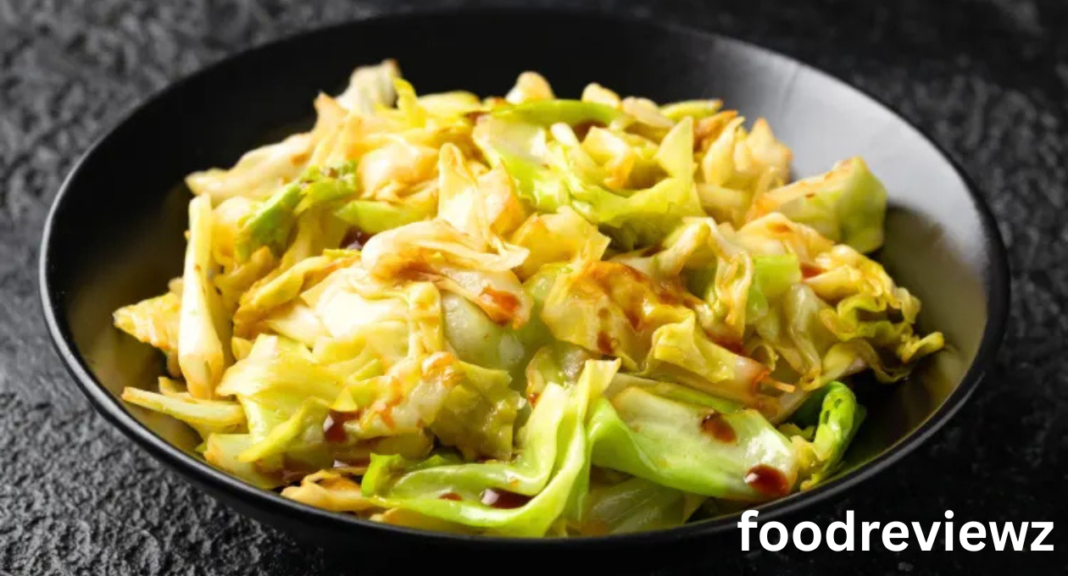

Cabbage is one of the most versatile and budget-friendly vegetables you can keep in your kitchen. Whether it’s sautéed, boiled, steamed, or turned into a comforting casserole, cooked cabbage often ends up as leftovers. That leads to a common question: can you freeze cooked cabbage? The short answer is yes — but there are a few important things you should know before placing it in the freezer.
Can You Freeze Cooked Cabbage Successfully?
Yes, you can freeze cooked cabbage. However, cabbage naturally contains a high amount of water. When frozen, that water turns into ice crystals, which break down the vegetable’s cell structure. As a result, thawed cabbage tends to be softer and sometimes slightly mushy compared to its freshly cooked texture.
That doesn’t mean it’s unusable. In fact, frozen cooked cabbage works very well in:
- Soups
- Stews
- Casseroles
- Stir-fries
- Stuffed cabbage rolls
If you’re planning to use it in dishes where texture isn’t the main focus, freezing is a perfectly practical option.
How to Freeze Cooked Cabbage Properly
To maintain the best possible quality, follow these simple steps:
1. Cool It Completely
Before freezing, allow the cooked cabbage to cool to room temperature. Placing warm food directly into the freezer can create condensation, leading to ice crystals and freezer burn.
2. Portion It Out
Divide the cabbage into meal-sized portions. This makes it easier to thaw only what you need later.
3. Use Airtight Packaging
Transfer the cabbage into airtight freezer-safe containers or heavy-duty freezer bags. Remove as much air as possible. Flattening freezer bags helps them stack neatly and freeze more evenly.
4. Label and Date
Always label your containers with the date. Cooked cabbage is best used within 2 to 3 months for optimal flavor and quality.
What About Different Cabbage Dishes?
Freezing results can vary depending on how the cabbage was prepared.
Boiled or Steamed Cabbage
Plain cooked cabbage freezes fairly well but will soften noticeably after thawing. It’s best reused in blended or mixed dishes.
Fried or Sautéed Cabbage
If cooked with oil, butter, onions, or bacon, it generally holds flavor well. However, it may still lose some firmness.
Cabbage in Casseroles
Dishes like stuffed cabbage rolls or layered cabbage casseroles often freeze exceptionally well because they contain sauces that help retain moisture and flavor during reheating.
How to Thaw and Reheat Cooked Cabbage
The safest way to thaw cooked cabbage is in the refrigerator overnight. Slow thawing helps reduce excess moisture loss.
If you’re short on time, you can:
- Add frozen cabbage directly into soups or stews
- Reheat gently in a skillet over medium-low heat
- Microwave in short intervals, stirring between bursts
Avoid overcooking during reheating, as this can make the texture even softer.
Does Freezing Affect the Taste?
Fortunately, freezing does not dramatically change cabbage’s flavor. The main difference you’ll notice is in texture rather than taste. Seasoned dishes tend to retain their flavor particularly well.
If the cabbage was slightly under-seasoned before freezing, you may want to adjust seasoning after reheating, as freezing can sometimes dull flavors slightly.
Tips for Best Results
To get the best outcome when freezing cooked cabbage:
- Slightly undercook it before freezing to prevent mushiness later
- Avoid freezing cabbage that is already very soft
- Store it in small portions for convenience
- Use within 2–3 months
Conclusion
Freezing cooked cabbage is a simple and practical way to reduce food waste and make future meals easier. While the texture may become softer after thawing due to its high water content, the flavor remains largely intact. This makes frozen cooked cabbage ideal for soups, stews, casseroles, and other dishes where a slight change in texture won’t matter.
By cooling it properly, storing it in airtight containers, and using it within two to three months, you can maintain the best possible quality. With the right preparation and reheating methods, frozen cooked cabbage can still be a convenient and delicious addition to your meals.
FAQs
1. How long can you freeze cooked cabbage?
Cooked cabbage can be safely frozen for up to 2–3 months for the best quality. While it may remain safe to eat beyond that time if stored properly at 0°F (-18°C), the texture and flavor may gradually decline.
2. Does cooked cabbage get mushy after freezing?
Yes, it can. Because cabbage has a high water content, freezing forms ice crystals that break down its cell structure. After thawing, the cabbage may be softer than before. This is why frozen cooked cabbage works best in soups, stews, casseroles, and other mixed dishes.
3. Can you refreeze cooked cabbage after thawing?
It’s not recommended to refreeze cooked cabbage once it has been fully thawed, especially if it was thawed in the refrigerator. Refreezing can further damage the texture and increase the risk of bacterial growth. However, if you reheated it thoroughly after thawing, you may freeze it again, though quality will decline.
4. Should you blanch cabbage before freezing if it’s already cooked?
No. Blanching is only necessary when freezing raw cabbage. If your cabbage is already cooked, it does not need to be blanched again before freezing.
5. Can you freeze cooked cabbage with other ingredients?
Yes. Cooked cabbage mixed with ingredients like onions, carrots, ground meat, or sauces typically freezes very well. In fact, dishes such as cabbage rolls or casseroles often maintain better flavor and moisture after freezing compared to plain cooked cabbage.