

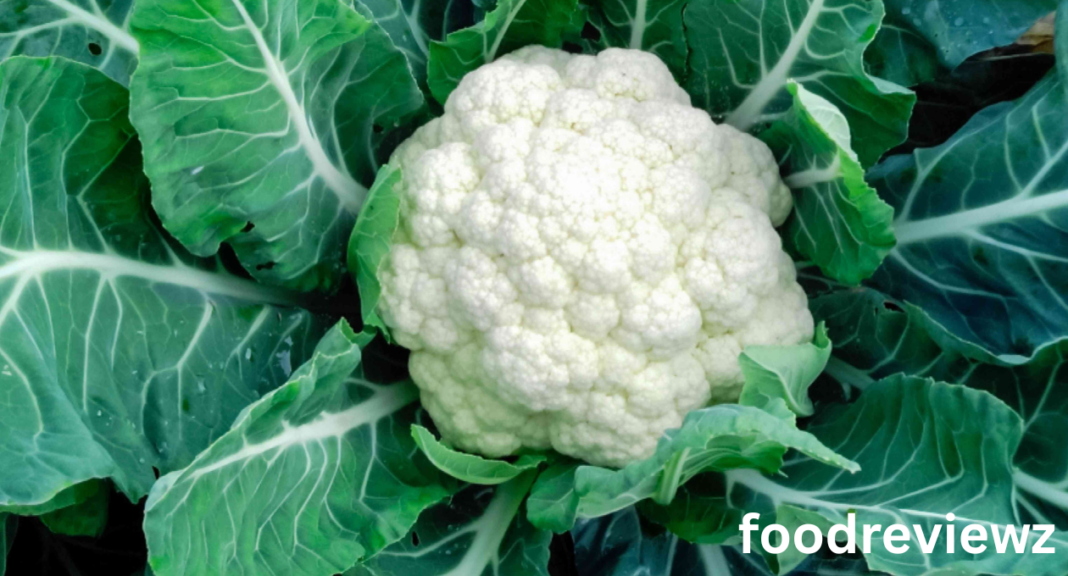

Cauliflower, a versatile vegetable loved for its mild flavor and nutritional value, has recently become harder to find in many markets. From grocery store shelves to restaurant kitchens, the cauliflower shortage is being felt across the food supply chain. This shortage has raised concerns among consumers, farmers, and food businesses alike. Understanding the reasons behind the cauliflower shortage and its wider impact can help explain why prices are rising and availability is inconsistent.
What Is Causing the Cauliflower Shortage?
One of the main reasons for the cauliflower shortage is adverse weather conditions. Cauliflower is highly sensitive to temperature changes and requires cool, stable weather to grow properly. Heatwaves, unseasonal rainfall, droughts, and even frost in major growing regions have disrupted planting and harvesting cycles. When crops are damaged or yields drop, the supply of cauliflower quickly tightens.
Another significant factor is rising production costs. Farmers are facing higher prices for seeds, fertilizers, fuel, and labor. These increased expenses make cauliflower farming more expensive and, in some cases, less profitable. As a result, some growers have reduced the acreage dedicated to cauliflower or switched to other crops that offer better returns.
Labor shortages have also played a role. Harvesting cauliflower is labor-intensive, and a lack of skilled farm workers can delay harvesting or reduce the amount of produce that reaches markets. Transportation challenges, including higher fuel costs and logistical bottlenecks, further strain the supply chain and slow distribution.
Impact on Prices and Availability
The most noticeable effect of the cauliflower shortage is higher prices. With demand remaining strong and supply limited, retailers often raise prices to manage inventory. Consumers may notice fluctuating prices from week to week, depending on supply levels and import availability.
Availability has also become unpredictable. Some stores may have cauliflower one week and none the next. Restaurants that rely on cauliflower for popular dishes such as cauliflower rice, soups, or roasted sides may be forced to adjust menus or substitute ingredients.
How the Shortage Affects Consumers and Businesses
For consumers, the shortage means paying more or searching harder for cauliflower. Budget-conscious shoppers may choose alternative vegetables like broccoli, cabbage, or zucchini, which offer similar nutritional benefits. Home cooks who frequently use cauliflower in low-carb or plant-based recipes may need to adapt their meal plans.
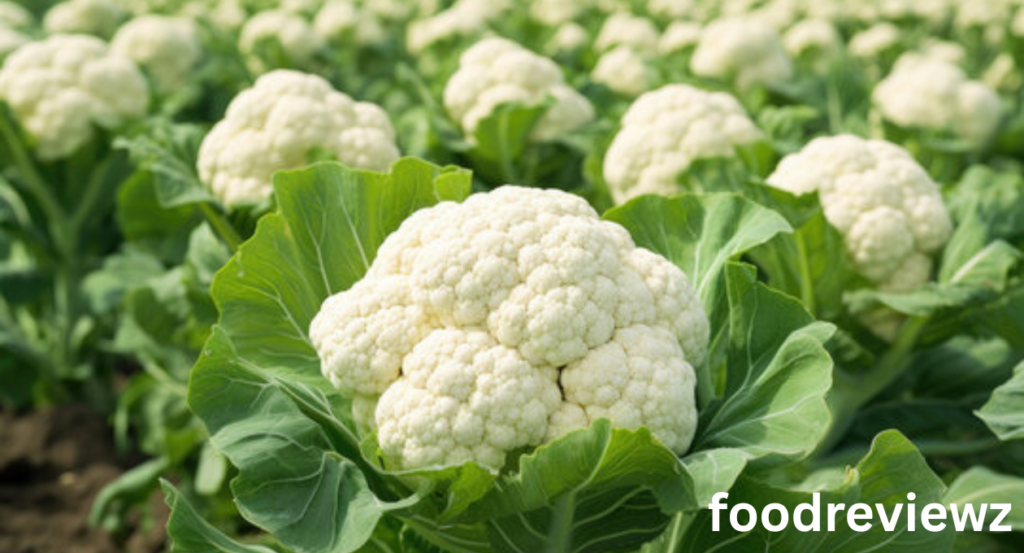
Food businesses face bigger challenges. Restaurants and food manufacturers that depend on a steady supply of cauliflower must manage higher costs and potential menu changes. Some businesses pass these costs on to customers, while others absorb the losses to remain competitive.
Global Supply Chain Pressures
The cauliflower shortage is not just a local issue. Global supply chain disruptions have made it harder to import produce when domestic supply is low. Trade delays, shipping container shortages, and increased freight costs all contribute to limited availability in international markets. When multiple producing regions face similar challenges at the same time, the shortage becomes more severe.
When Will the Cauliflower Shortage End?
The duration of the cauliflower shortage depends largely on weather conditions and farming recovery. If growing conditions improve and farmers are able to plant and harvest successfully, supplies may stabilize in upcoming seasons. However, ongoing climate uncertainty and high production costs suggest that price volatility could continue in the near future.
What Can Consumers Do?
Consumers can manage the impact of the cauliflower shortage by staying flexible. Buying seasonal vegetables, exploring frozen cauliflower options, or using substitutes in recipes can help reduce reliance on fresh cauliflower. Supporting local farmers when possible may also improve access and help stabilize local supply.
Conclusion
The cauliflower shortage highlights how fragile the food supply chain can be when faced with weather extremes, rising costs, and logistical challenges. While the shortage has led to higher prices and limited availability, understanding its causes helps explain the situation. With time, improved growing conditions, and better supply chain stability, the cauliflower market is expected to recover—but until then, adaptability remains key for both consumers and businesses.
Faqs
1. Why is there a cauliflower shortage?
The cauliflower shortage is mainly caused by unfavorable weather conditions, including heatwaves, droughts, and unseasonal rainfall that damage crops. Rising farming costs, labor shortages, and transportation issues have also reduced supply.
2. Is the cauliflower shortage affecting all regions?
Yes, the shortage is affecting many regions, especially areas that rely on major cauliflower-producing zones. Global supply chain disruptions mean that even imported cauliflower is limited in some markets.
3. Why has the price of cauliflower increased?
When supply is low and demand remains high, prices naturally rise. Higher production, labor, and transportation costs are also passed on to retailers and consumers.
4. How long will the cauliflower shortage last?
The shortage may continue until weather conditions improve and farmers are able to restore normal production. In some areas, prices and availability may remain unstable for several months.
5. Are restaurants affected by the cauliflower shortage?
Yes, restaurants that use cauliflower in popular dishes may face higher costs or limited supply. Some restaurants adjust their menus or use substitute vegetables to manage the shortage.