

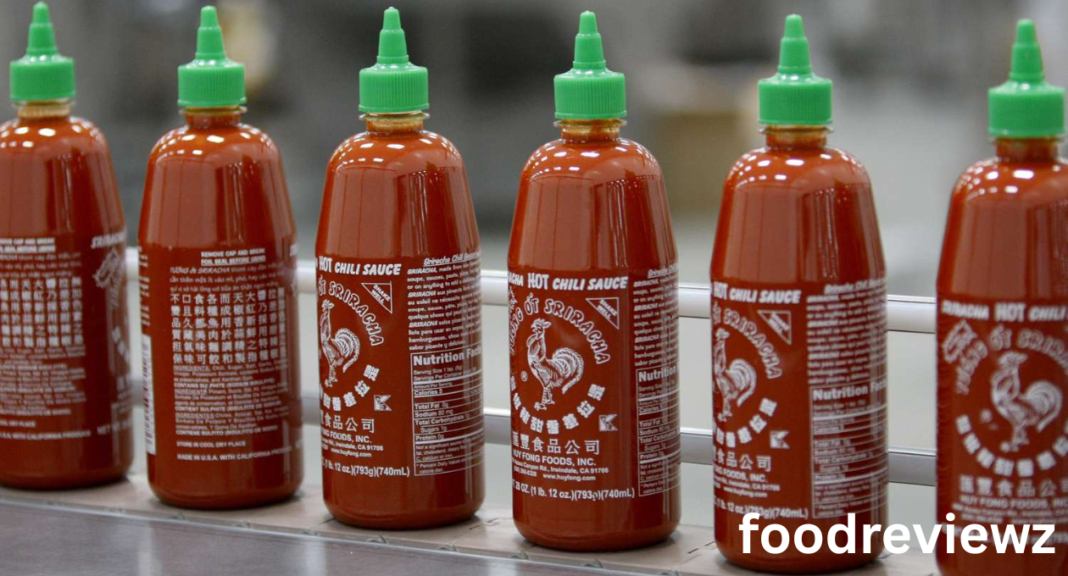

Chili peppers are a staple ingredient in cuisines around the world. From adding heat to curries and sauces to enhancing snacks and street food, chilies play a vital role in everyday cooking. However, in recent times, many regions have been facing a noticeable chili shortage. This shortage has affected prices, supply chains, and consumers alike. Understanding the reasons behind the chili shortage and its broader impact can help people prepare for and adapt to this ongoing challenge.
What Is Causing the Chili Shortage?
One of the main reasons behind the chili shortage is unfavorable weather conditions. Chili crops are highly sensitive to changes in temperature, rainfall, and humidity. Prolonged droughts, unexpected floods, and heatwaves have damaged crops in major chili-producing regions. These climate-related disruptions reduce crop yields and make farming less predictable.
Another key factor is the rise in plant diseases and pests. Fungal infections, viruses, and insects can spread rapidly in chili farms, especially when weather conditions are unstable. Farmers often struggle to manage these issues, leading to lower-quality harvests or complete crop losses.
Labor shortages have also contributed to the problem. Many agricultural areas are facing a lack of farm workers due to migration issues, rising labor costs, and changing employment trends. Without enough workers to plant, harvest, and transport chilies, supply levels drop significantly.
Supply Chain Disruptions and Rising Costs
Global supply chain disruptions have played a major role in worsening the chili shortage. Transportation delays, higher fuel prices, and logistical challenges make it harder to move chilies from farms to markets. Even when crops are available, they may not reach consumers on time, leading to spoilage and waste.
Additionally, the cost of farming inputs such as fertilizers, seeds, and pesticides has increased. These rising costs discourage some farmers from growing chilies, pushing them to switch to less expensive or less risky crops. As a result, overall chili production declines further.
Impact on Prices and Consumers
One of the most visible effects of the chili shortage is the sharp increase in prices. Fresh chilies, dried chilies, and chili-based products have become more expensive in local markets and grocery stores. Restaurants and food manufacturers are also affected, as chilies are essential ingredients in many recipes.
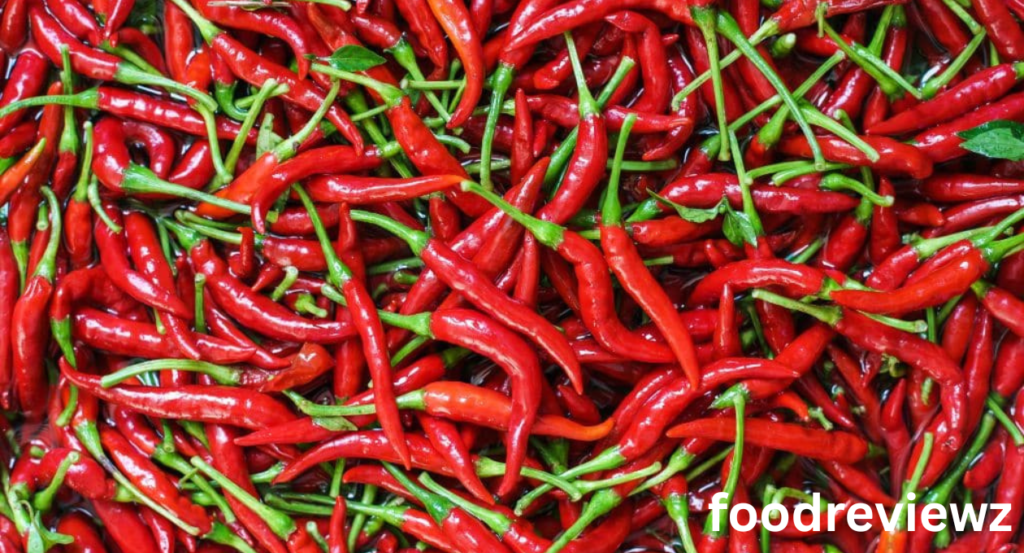
Consumers may notice smaller portion sizes, altered recipes, or higher menu prices. In some cases, households reduce chili usage or switch to alternative spices to manage costs. For people who rely heavily on chilies for flavor and cultural dishes, this shortage can significantly impact daily cooking habits.
Effects on Farmers and Local Economies
The chili shortage does not only affect consumers; farmers also face serious challenges. Crop losses mean reduced income and financial instability for farming communities. Small-scale farmers are particularly vulnerable, as they often lack access to insurance or advanced farming technologies.
Local economies that depend on chili farming and trading suffer as well. Reduced production leads to fewer jobs, lower exports, and decreased economic activity in rural areas.
How the Industry Is Responding
To address the chili shortage, agricultural experts and governments are encouraging climate-resilient farming practices. These include improved irrigation systems, disease-resistant chili varieties, and better pest management techniques. Some farmers are also turning to greenhouse or controlled-environment farming to protect crops from extreme weather.
On the consumer side, food producers are experimenting with alternative spices or blended seasonings to reduce reliance on chilies. While these substitutes may not fully replace the unique heat and flavor of chilies, they help ease pressure on demand.
Conclusion
The chili shortage is a complex issue driven by climate change, labor shortages, rising costs, and supply chain disruptions. Its impact is felt across the entire food system, from farmers and distributors to restaurants and households. While short-term challenges remain, long-term solutions focused on sustainable farming and efficient supply chains can help stabilize chili production in the future. Until then, consumers may need to adapt their cooking habits while the industry works toward recovery.
faqs
1. What is the chili shortage?
The chili shortage refers to the reduced availability of fresh and dried chili peppers in markets due to lower production, supply chain disruptions, and environmental challenges. This shortage has led to higher prices and limited supply in many regions.
2. Why are chilies becoming more expensive?
Chilies are becoming more expensive because of poor harvests caused by extreme weather, increased farming costs, labor shortages, and transportation issues. When supply decreases and demand remains high, prices naturally rise.
3. How does climate change affect chili production?
Climate change affects chili production by causing irregular rainfall, droughts, floods, and heatwaves. These conditions damage chili crops, reduce yields, and increase the risk of plant diseases and pest infestations.
4. Which countries are most affected by the chili shortage?
Countries that rely heavily on chili production or imports are most affected. Major chili-producing regions experiencing climate stress or labor shortages face greater supply issues, impacting both local and international markets.
5. How long is the chili shortage expected to last?
The duration of the chili shortage depends on weather conditions, recovery of supply chains, and farming improvements. While some relief may occur during the next harvest season, long-term stability will require sustainable agricultural practices.