

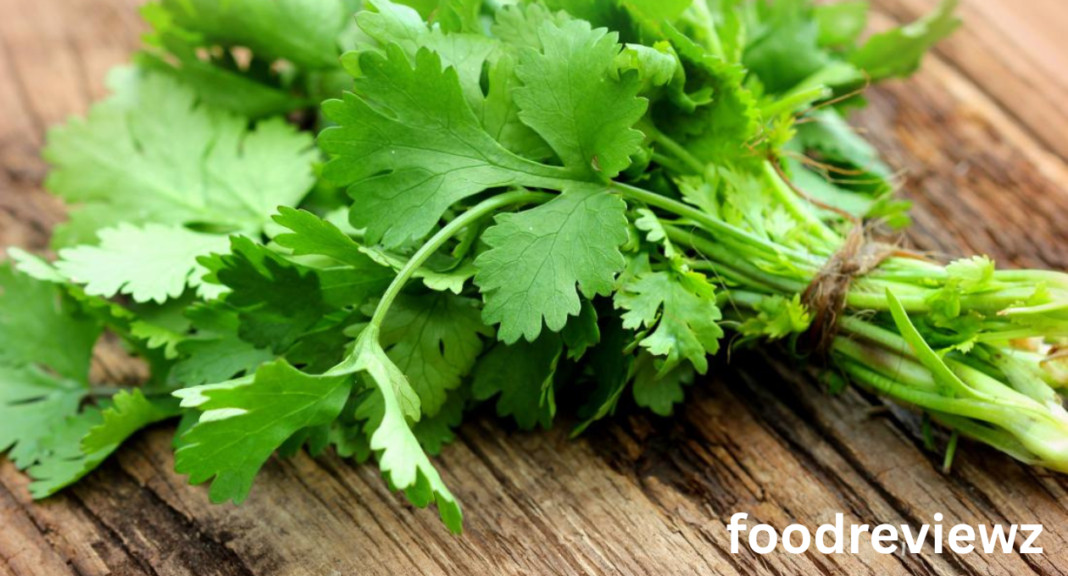

Cilantro Shortage, known for its bright flavor and unmistakable aroma, has long been a staple in cuisines around the world. From fresh salsas to fragrant curries, it plays a central role in elevating everyday dishes. Yet recently, many consumers and chefs alike have noticed something unusual: cilantro is becoming harder to find. This unexpected shortage is raising questions about food supply chains, climate pressures, and agricultural resilience.
What Is Causing the Cilantro Shortage?
Several factors have converged to disrupt the steady supply of cilantro. One of the most significant contributors is climate variability. Cilantro is a delicate crop that thrives in cool, stable conditions. Sudden temperature spikes or prolonged heat waves can cause the plant to “bolt,” meaning it flowers prematurely and becomes unusable for culinary purposes.
In recent growing seasons, key agricultural regions have experienced unpredictable weather patterns. Excessive rainfall in some areas has damaged crops, while drought conditions in others have reduced yields. These environmental stresses have made it difficult for farmers to maintain consistent production.
Another factor is labor shortages. Harvesting cilantro requires careful handling, as the herb is fragile and perishable. In regions where agricultural labor is limited or disrupted, crops may not be harvested efficiently, leading to reduced supply reaching markets.
Supply Chain Disruptions
Beyond farming challenges, supply chain issues have played a role. Transportation delays, rising fuel costs, and logistical bottlenecks have all contributed to slower distribution. Since cilantro has a short shelf life, even minor delays can result in spoilage, further tightening availability.
Global trade dynamics have also influenced the situation. Countries that rely on imports may face additional hurdles, including export restrictions or increased demand from other markets. These pressures compound the difficulty of keeping shelves stocked.
How the Shortage Is Affecting Consumers and Businesses
For consumers, the cilantro shortage is most noticeable at grocery stores and local markets, where prices have increased and availability has become inconsistent. Shoppers may find smaller bundles, higher prices, or empty shelves where cilantro once was abundant.
Restaurants, particularly those specializing in cuisines like Mexican, Indian, Thai, and Middle Eastern, are feeling the impact more acutely. Cilantro is often a key ingredient rather than a garnish, making it difficult to substitute without altering the flavor profile of dishes.
Creative Substitutions
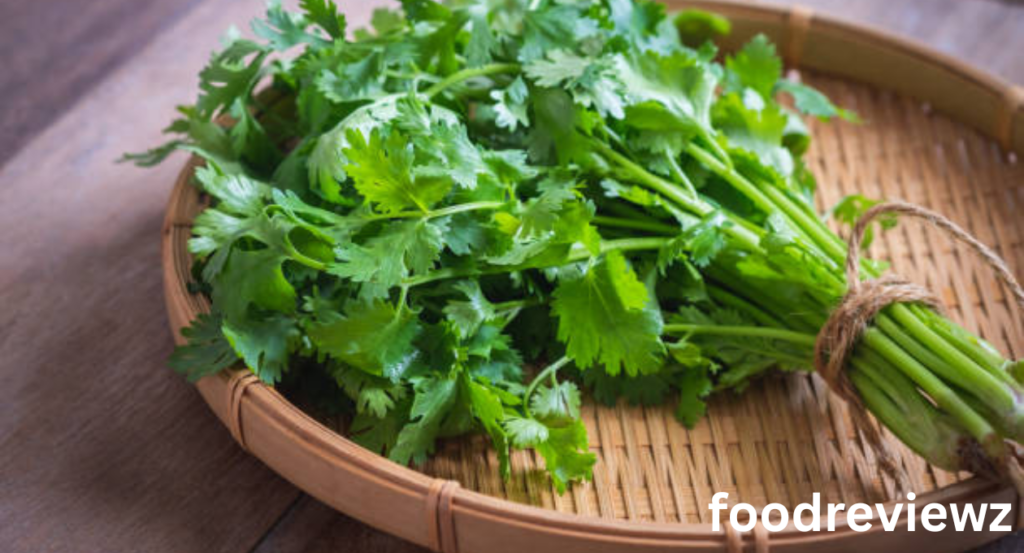
In response, chefs and home cooks are experimenting with alternatives. Parsley is the most common substitute, offering a similar texture though a milder taste. In some cases, combinations of herbs such as basil, mint, or even celery leaves are used to approximate cilantro’s freshness.
However, for many dishes, there is no perfect replacement. Cilantro’s distinctive citrusy notes and slight pepperiness are hard to replicate, which is why its absence is so noticeable.
What This Means for the Future of Food Supply
The cilantro shortage highlights a broader issue within global agriculture: the vulnerability of food systems to environmental and logistical disruptions. As climate change continues to affect growing conditions, similar shortages may become more frequent across a variety of crops.
Farmers and researchers are exploring solutions, including developing more resilient crop varieties and improving farming practices to withstand changing conditions. Advances in greenhouse cultivation and controlled environments may also help stabilize supply in the future.
Building Resilience
Consumers can play a role as well by supporting local agriculture and being flexible with seasonal availability. Understanding that certain foods may not always be consistently available is part of adapting to a changing food landscape.
In the meantime, the cilantro shortage serves as a reminder of how interconnected and delicate our food systems are. What seems like a small inconvenience at the grocery store reflects a complex web of environmental, economic, and logistical challenges behind the scenes.
Conclusion
While cilantro may be just one herb among many, its current scarcity tells a much larger story. The shortage underscores the importance of sustainable farming, resilient supply chains, and adaptability in both production and consumption. As the situation evolves, one thing is clear: even the smallest ingredients can reveal big truths about the world we live in.