



Egg binding is a serious and sometimes life-threatening condition in backyard hens. It occurs when a hen is unable to pass an egg through her reproductive tract. While it may sound like a rare problem, Egg Bound Chicken can affect hens of any breed, especially during peak laying seasons. Understanding the causes, symptoms, and treatment options can help you act quickly and protect your flock
What Is Egg Binding?
Egg binding happens when an egg becomes stuck inside a hen before it can be laid. Normally, an egg forms in the oviduct and moves smoothly through the reproductive tract until it is laid. However, if the egg is too large, misshapen, soft-shelled, or if the hen is weak, it may become lodged.
This condition requires immediate attention. A hen cannot survive long if the egg remains stuck, as it can lead to infection, internal damage, or organ failure
Causes of Egg Binding
Several factors can contribute to egg binding:
1. Calcium Deficiency
Calcium is essential for strong eggshell formation and proper muscle contractions. Without enough calcium, hens may lay soft-shelled eggs or lack the muscle strength needed to push the egg out.
2. Poor Nutrition
A diet lacking in key vitamins and minerals—especially vitamin D, phosphorus, and protein—can weaken a hen’s reproductive system.
3. Obesity or Lack of Exercise
Overweight hens may have difficulty laying due to excess fat around the reproductive organs.
4. Oversized or Misshapen Eggs
Sometimes a hen produces an unusually large egg, double-yolk egg, or irregularly shaped egg that becomes difficult to pass.
5. Stress or Environmental Factors
Extreme temperatures, dehydration, or stress from predators can interfere with normal laying.
6. Young or Older Hens
Pullets (young hens just starting to lay) and older hens are more prone to egg binding due to immature or weakened reproductive systems
Signs and Symptoms
Recognizing egg binding early is critical. Watch for these common symptoms:
- Straining or frequent attempts to lay without success
- Sitting in the nesting box for long periods
- Lethargy or weakness
- Loss of appetite
- Tail pumping or abdominal contractions
- Swollen abdomen
- Walking like a penguin
- Pale comb and wattles
If your hen shows these signs for several hours without laying an egg, she may be egg bound.
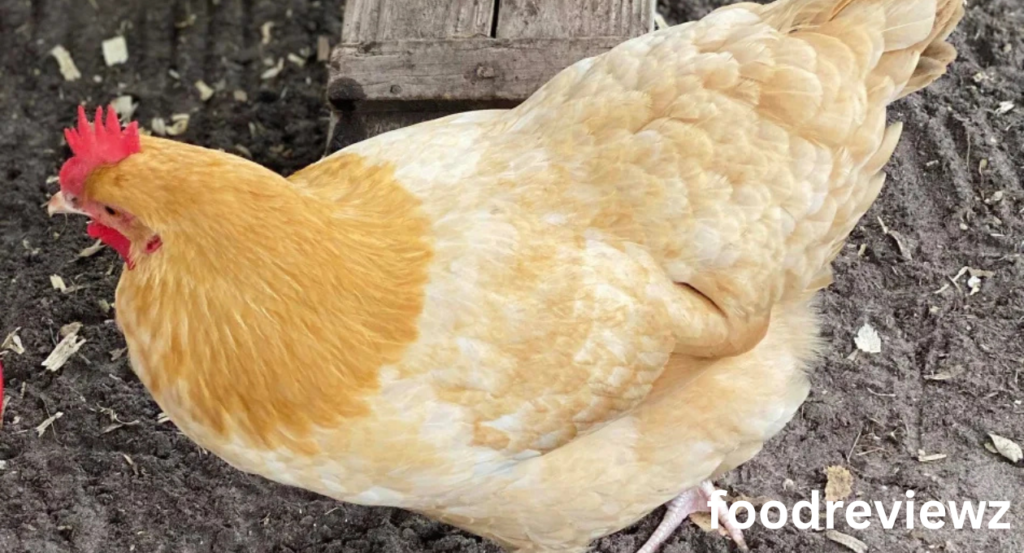
How to Treat an Egg Bound Chicken
If you suspect egg binding, act quickly:
1. Provide Warmth
Place the hen in a warm, quiet area. Warmth helps relax her muscles.
2. Warm Water Bath
Soak her lower body in warm (not hot) water for 15–20 minutes. This can help relax the vent muscles and ease the egg out.
3. Lubrication
After drying her gently, apply a water-based lubricant around the vent to help the egg pass more easily.
4. Increase Calcium
Offer crushed oyster shells or a calcium supplement to help stimulate contractions.
5. Gentle Massage
Very gently massage the abdomen downward. Never squeeze hard, as breaking the egg internally can cause serious infection.
6. Seek Veterinary Help
If the egg does not pass within a few hours or the hen appears to worsen, contact a poultry veterinarian immediately.
Prevention Tips
Preventing egg binding is far easier than treating it. Here are some key steps:
- Provide a balanced layer feed with adequate calcium
- Offer oyster shell free-choice
- Ensure constant access to clean water
- Maintain a healthy weight in your hens
- Reduce stress and provide safe housing
- Monitor young hens closely when they begin laying
Good flock management significantly reduces the risk.
Conclusion
Egg binding is a serious but preventable condition that every chicken keeper should be prepared to recognize. Early detection, proper nutrition, and a stress-free environment are the most effective ways to protect your hens. When caught quickly, simple supportive care—such as warmth, hydration, and calcium—can often resolve the issue before it becomes life-threatening.
The key is attentive flock management. Spend time observing your hens daily so you can notice changes in behavior, posture, or laying patterns. A healthy hen is active, alert, and consistent in her routine. Any signs of straining, lethargy, or unusual behavior should prompt immediate attention.
faqs
1. How long can a chicken survive while egg bound?
A hen can become critically ill within 24–48 hours if an egg remains stuck. The longer the egg is retained, the higher the risk of infection, internal rupture, or organ failure. Immediate action greatly improves the chances of recovery.
2. Can an egg bound chicken fix the problem on her own?
Sometimes, mild cases resolve naturally if the hen is strong and the egg is small. However, it is risky to wait too long. Supportive care—such as warmth and calcium—should be provided as soon as symptoms appear.
3. What breeds are more prone to egg binding?
High-production laying breeds like Leghorn and Rhode Island Red may face higher risks due to frequent egg production. However, any breed can experience egg binding, especially young pullets or older hens.
4. How can I tell the difference between egg binding and normal laying behavior?
A hen preparing to lay may sit quietly in the nesting box for a short time. An egg bound hen, however, will strain repeatedly, appear distressed, walk stiffly (often like a penguin), and remain lethargic even outside the nesting box.
5. Should I try to break the egg inside the hen?
No. Breaking the egg internally can cause severe infection and injury. This procedure should only be performed by a qualified poultry veterinarian if absolutely necessary.