

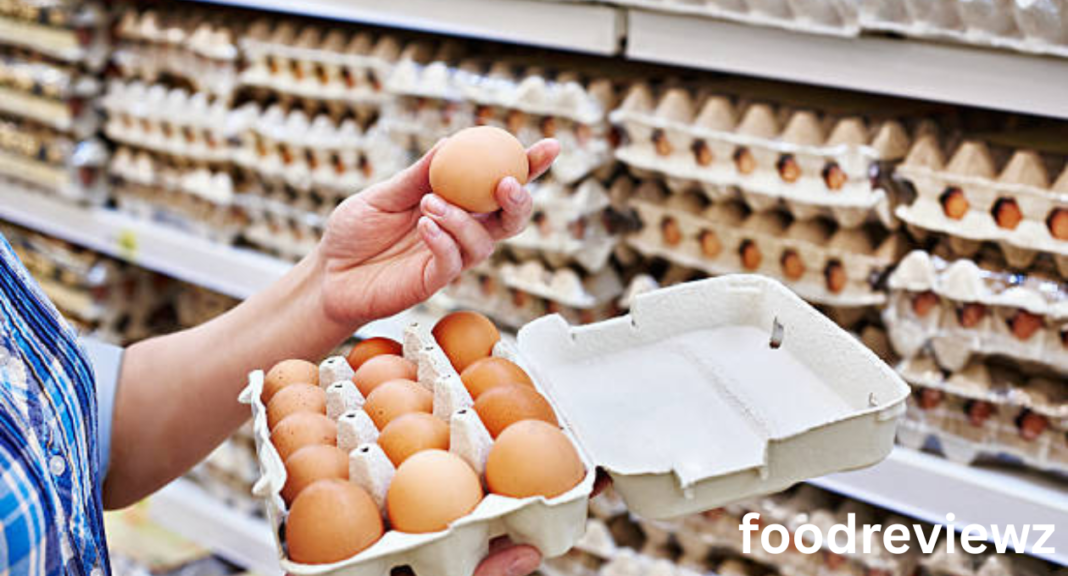

In recent months, shoppers across the country have noticed something unusual in grocery stores: empty egg shelves or significantly higher prices. What was once a kitchen staple—affordable, accessible, and reliable—has suddenly become a symbol of supply chain stress. The egg shortage is more than a temporary inconvenience; it reflects deeper challenges within agriculture, logistics, and global markets.
Why Is There an Egg Shortage?
One of the primary causes of the egg shortage is outbreaks of avian influenza, commonly known as bird flu. When the virus spreads among poultry farms, millions of egg-laying hens must be culled to prevent further infection. This immediate reduction in supply dramatically impacts egg production. Since hens take months to mature and begin laying eggs, recovery is not instant.
Another major factor is the rising cost of feed, fuel, and labor. Corn and soybean prices—key components of chicken feed—have increased due to climate disruptions and global trade instability. Farmers facing higher production costs often pass these expenses down the supply chain, which eventually affects retail prices.
Supply chain disruptions also play a role. The pandemic exposed vulnerabilities in food distribution systems. Labor shortages in transportation and processing facilities have slowed the movement of goods, including eggs, from farms to supermarkets. Even when farms are producing enough eggs, logistical bottlenecks can prevent them from reaching consumers efficiently.
Additionally, regulatory changes in some regions have contributed to reduced supply. Animal welfare laws requiring cage-free housing systems have led some farms to downsize or temporarily halt production during transitions. While these reforms aim to improve living conditions for hens, they can also limit output in the short term.
The Impact on Consumers
For consumers, the egg shortage has meant higher grocery bills. Eggs, once one of the most affordable sources of protein, have seen price spikes in many areas. Families who rely on eggs for breakfast, baking, and meal preparation are feeling the pinch.
Restaurants and bakeries are also affected. Eggs are essential ingredients in everything from cakes and pastries to sauces and pasta. Rising costs have forced some businesses to increase menu prices, reduce portion sizes, or seek alternative ingredients.
Low-income households are particularly vulnerable. Eggs are a key component of many affordable meal plans due to their nutritional value. When prices rise sharply, food insecurity can worsen, putting additional strain on community support systems.

The Broader Economic Ripple Effect
The egg shortage highlights how interconnected our food systems are. A disease outbreak in poultry farms can ripple outward, affecting transportation companies, grocery retailers, and even global trade. Countries that rely on egg imports may face increased competition and higher prices as exporting nations prioritize domestic supply.
Inflation has further amplified the issue. As the cost of living rises, even small price increases in staple goods feel significant. Consumers may shift their purchasing habits, turning to substitutes like plant-based egg alternatives or other protein sources such as beans and dairy products.
Possible Solutions and Recovery
The good news is that egg shortages are often temporary. Once outbreaks are controlled and farms rebuild their flocks, supply can gradually stabilize. Government agencies and agricultural organizations are investing in biosecurity measures to reduce the risk of future avian flu outbreaks.
Farmers are also adopting more resilient practices, including diversified supply chains and improved disease monitoring systems. Technological advancements in poultry farming may help mitigate similar crises in the future.
In the meantime, consumers can adapt by planning meals carefully, reducing food waste, and exploring alternative recipes that require fewer eggs. Community awareness and support for local farmers can also help strengthen regional food systems.
Conclusion
The egg shortage is more than a temporary gap on supermarket shelves—it is a reflection of the fragile balance within our global food system. From avian flu outbreaks and rising production costs to supply chain disruptions and regulatory shifts, multiple pressures have converged to affect one of the most common household staples. What seems like a simple price increase is, in reality, the result of complex agricultural, economic, and logistical challenges.
For consumers, the shortage has meant adjusting budgets, reconsidering meal plans, and exploring alternatives. For farmers and businesses, it has required resilience, innovation, and adaptation in the face of uncertainty. While supply levels are likely to stabilize over time, the situation highlights the importance of stronger biosecurity, diversified supply chains, and sustainable farming practices.
Ultimately, the egg shortage reminds us that even everyday foods depend on intricate systems working smoothly behind the scenes. By supporting local producers, reducing waste, and staying informed, consumers can play a small but meaningful role in strengthening the food system for the future.
faqs
1. Why are eggs so expensive right now?
Egg prices have risen mainly due to avian influenza outbreaks that reduced the number of egg-laying hens. Higher costs for feed, fuel, labor, and transportation have also contributed. When supply decreases and production costs increase, retail prices typically go up.
2. Is the egg shortage happening everywhere?
While many regions have experienced higher prices or limited availability, the severity varies by location. Areas heavily impacted by bird flu outbreaks or supply chain disruptions tend to see more noticeable shortages.
3. How long will the egg shortage last?
Egg shortages are usually temporary. It can take several months for farms to rebuild flocks and restore production levels. As supply improves and outbreaks are controlled, prices typically stabilize.
4. Are eggs still safe to eat during bird flu outbreaks?
Yes. Eggs sold in grocery stores are safe to eat. Poultry products are carefully inspected, and properly cooking eggs eliminates potential health risks. Avian influenza primarily affects birds and is not transmitted through properly handled and cooked eggs.
5. Why don’t farmers quickly replace the lost hens?
Raising egg-laying hens takes time. After hatching, hens require several months before they begin producing eggs. This natural growth cycle prevents immediate recovery of supply.