

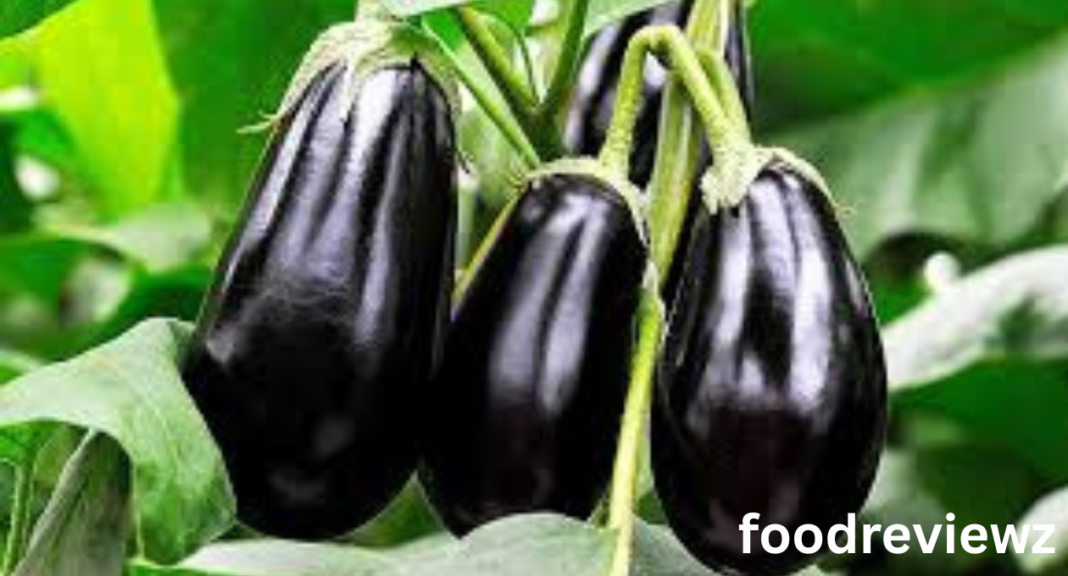

Eggplant, also known as aubergine or brinjal, is a staple ingredient in many cuisines around the world. From rich curries and stir-fries to grilled Mediterranean dishes and hearty stews, this versatile vegetable holds an important place on millions of dinner tables. However, in recent months, consumers and farmers alike have begun to notice something troubling: an eggplant shortage that is affecting availability and driving up prices in several regions.
What Is Causing the Eggplant Shortage?
The eggplant shortage is not the result of a single factor but rather a combination of environmental, economic, and logistical challenges. One of the primary contributors is extreme and unpredictable weather. Prolonged heat waves, droughts, heavy rainfall, and unseasonal cold snaps have damaged crops in major eggplant-producing regions. Eggplants are particularly sensitive to temperature fluctuations, and even small changes can reduce yield or affect quality.
In addition to climate-related issues, rising production costs have placed pressure on farmers. The prices of fertilizers, fuel, and labor have increased significantly over the past few years. For some small-scale growers, continuing eggplant cultivation has become less profitable, leading them to reduce acreage or switch to alternative crops. This reduction in planted area naturally results in lower overall supply.
Supply chain disruptions have also played a major role. Transportation delays, labor shortages in packing facilities, and higher shipping costs have made it harder to move fresh produce efficiently from farms to markets. Even when eggplants are harvested successfully, they may not reach consumers in a timely manner.
How the Shortage Affects Consumers
For shoppers, the most noticeable impact is higher prices. In many grocery stores and markets, eggplants now cost significantly more than they did a year ago. Some retailers have also limited purchases or reduced the amount they stock, making the vegetable harder to find.
Restaurants that rely heavily on eggplant-based dishes are feeling the strain as well. Menu prices may rise, portion sizes may shrink, or certain items may be temporarily removed altogether. For small food businesses, these changes can affect customer satisfaction and overall profitability.
Beyond price and availability, quality can also be affected. When supply is tight, markets may accept produce that would normally be considered below standard, resulting in smaller or less visually appealing eggplants on store shelves.
The Impact on Farmers
Farmers are facing a difficult balancing act. While higher market prices could potentially mean better profits, increased production costs often cancel out these gains. Many growers are also dealing with crop losses and uncertainty about future growing conditions.
Some farmers are experimenting with more resilient eggplant varieties, improved irrigation systems, and greenhouse cultivation to protect crops from extreme weather. However, these solutions require investment, and not all growers have the resources to adopt them quickly.
What Can Be Done?
Addressing the eggplant shortage requires both short-term and long-term strategies. In the short term, governments and agricultural organizations can provide financial support, subsidies, or technical assistance to struggling farmers. Improving transportation infrastructure and reducing supply chain bottlenecks can also help stabilize availability.
Long-term solutions involve building more resilient agricultural systems. This includes investing in climate-smart farming practices, developing hardier crop varieties, and encouraging sustainable water management. Supporting local and regional food production can reduce dependence on long-distance supply chains and make communities more resilient to global disruptions.
Consumers can also play a role by being flexible with their cooking choices, trying alternative vegetables when eggplants are scarce, and supporting local farmers’ markets when possible.
Conclusion
The eggplant shortage is more than just a temporary inconvenience—it highlights deeper challenges within global agriculture and food supply systems. Climate instability, rising production costs, and supply chain disruptions have come together to create a situation that affects farmers, businesses, and consumers alike. While the impacts are being felt today through higher prices and limited availability, they also point toward the urgent need for smarter, more resilient farming practices and stronger support for growers.
By investing in sustainable agriculture, improving infrastructure, and encouraging local food production, we can help reduce the risk of similar shortages in the future. At the same time, consumers can contribute by staying informed, adapting their food choices, and supporting responsible farming initiatives. With collective effort and long-term planning, the challenges behind the eggplant shortage can become an opportunity to build a stronger, more reliable food system for generations to come.
faqs
1. Why is there an eggplant shortage right now?
The shortage is mainly caused by extreme weather conditions, rising farming costs, and disruptions in transportation and supply chains. These factors together have reduced crop yields and made distribution more difficult.
2. How long will the eggplant shortage last?
It is difficult to predict an exact timeline. The duration depends on upcoming harvests, weather patterns, and how quickly supply chains stabilize. In some regions, improvement may be seen within a few months, while others may take longer.
3. Are eggplant prices expected to keep rising?
Prices may remain higher than normal in the short term due to limited supply. However, if production improves and costs stabilize, prices could gradually return to more typical levels.
4. Which regions are most affected by the shortage?
Regions that rely heavily on imports or have experienced severe weather are generally more affected. This can vary by country and even by local area.
5. Are there good substitutes for eggplant in recipes?
Yes. Zucchini, mushrooms, bell peppers, and squash can work well as substitutes in many dishes, depending on the recipe.