

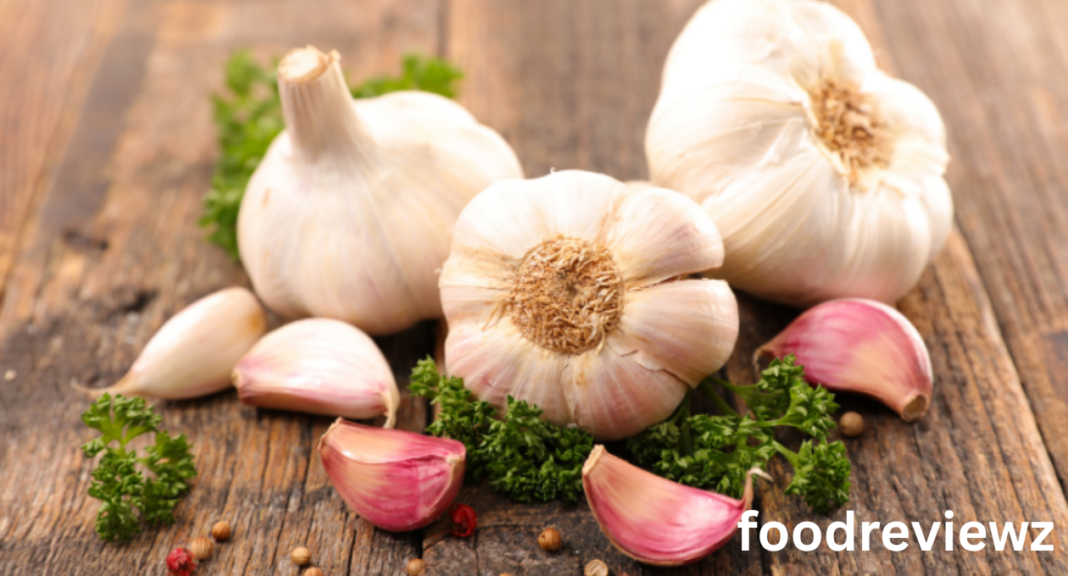

Garlic is one of the most widely used ingredients in kitchens around the world. From home cooking to large food industries, this flavorful bulb plays an important role in many dishes. However, in recent years, many regions have experienced a garlic shortage. This shortage has affected prices, availability, and food supply chains. Understanding why garlic shortages happen and how they impact consumers can help people prepare for future supply issues.
What Is a Garlic Shortage?
A garlic shortage occurs when the supply of garlic becomes lower than the demand in the market. When production decreases or distribution is disrupted, stores and markets may struggle to keep garlic in stock. As a result, prices increase and consumers may find it harder to buy garlic.
Garlic shortages can happen locally, nationally, or globally depending on the cause. In some cases, the shortage may last only a few weeks, while in other situations it may continue for months.
Major Causes of Garlic Shortage
Several factors can contribute to garlic shortages. These include environmental problems, economic conditions, and supply chain disruptions.
1. Weather and Climate Conditions
Garlic crops are highly dependent on stable weather conditions. Extreme temperatures, heavy rainfall, droughts, or unexpected frost can damage garlic crops and reduce yields. Climate change has also made weather patterns less predictable, which increases the risk of crop failure.
2. Plant Diseases and Pests
Garlic plants can be affected by fungal infections, viruses, and pests that damage the crop. Diseases such as white rot or rust can spread quickly and destroy large areas of garlic farms. When farmers lose crops to disease, the total garlic supply drops.
3. Labor Shortages
Garlic farming requires significant labor, especially during planting and harvesting. If farms face worker shortages due to economic conditions, migration issues, or health crises, garlic production can slow down.
4. Supply Chain Problems
Transportation delays, shipping restrictions, and trade regulations can disrupt the supply of garlic. If garlic imports are delayed or restricted, countries that rely heavily on imports may experience shortages in local markets.
5. Increased Demand
In some cases, garlic demand increases faster than production. For example, garlic is widely known for its potential health benefits and immune-supporting properties. During global health concerns, people may buy more garlic, which can increase demand and create shortages.
Effects of Garlic Shortage
A garlic shortage can affect both consumers and businesses in several ways.
Higher Prices
One of the most immediate impacts is rising prices. When supply decreases and demand remains high, garlic prices increase. Restaurants, food manufacturers, and households may need to spend more money to purchase garlic.
Impact on Restaurants and Food Industry
Many restaurants rely heavily on garlic for flavor in sauces, marinades, and main dishes. When garlic becomes expensive or difficult to find, restaurants may need to adjust recipes or increase menu prices.
Changes in Consumer Behavior
When garlic becomes scarce or expensive, consumers may look for substitutes. Some people use garlic powder, garlic paste, or other herbs to replace fresh garlic in recipes.
How Farmers and Governments Respond
Farmers and agricultural organizations often take steps to reduce the impact of garlic shortages. These actions may include improving farming techniques, using disease-resistant garlic varieties, and expanding planting areas.
Governments may also support farmers with agricultural programs, research, and trade policies that help stabilize the garlic supply. In some cases, countries increase garlic imports to balance shortages in domestic production.
Tips for Consumers During a Garlic Shortage
Consumers can take several steps when garlic becomes expensive or hard to find:
- Buy garlic in moderation to avoid waste.
- Store garlic properly to extend its shelf life.
- Use alternatives like garlic powder or frozen garlic.
- Try other flavorful herbs such as onion, ginger, or shallots.
These simple adjustments can help households manage cooking needs even when garlic supply is limited.
Conclusion
Garlic shortages can occur due to a variety of factors, including climate conditions, plant diseases, labor shortages, and supply chain disruptions. When garlic supply decreases, prices rise and both consumers and businesses feel the impact. However, better farming practices, government support, and smart consumer habits can help reduce the effects of these shortages. By understanding the reasons behind garlic shortages, people can adapt and continue enjoying flavorful meals even during times of limited supply.
faqs
1. Why is there a garlic shortage?
A garlic shortage usually happens when production decreases or demand increases. Factors such as extreme weather, crop diseases, labor shortages, and transportation problems can reduce the supply of garlic in markets.
2. Why has the price of garlic increased?
Garlic prices rise when supply becomes limited while demand remains high. Poor harvests, import restrictions, or increased global demand can cause garlic prices to increase.
3. Which countries produce the most garlic?
Some of the largest garlic-producing countries include China, India, Bangladesh, Egypt, and South Korea. China is the world’s largest producer and exporter of garlic.
4. How long can a garlic shortage last?
The length of a garlic shortage depends on the cause. If it is related to weather or crop failure, it may last until the next harvest season. Supply chain issues may resolve more quickly once transportation improves.
5. What can I use instead of fresh garlic?
If fresh garlic is unavailable, you can use garlic powder, garlic paste, minced garlic, or garlic flakes. Other ingredients like onions, shallots, or ginger can also add flavor to dishes.