



Green onions, also known as scallions or spring onions, are a staple ingredient in kitchens around the world. From garnishing soups and salads to adding flavor to stir-fries and sauces, their mild taste and versatility make them highly popular. Recently, however, many regions have experienced a noticeable green onion shortage. This shortage has affected households, restaurants, and food businesses alike. Understanding the reasons behind the shortage and its broader impact can help consumers adapt more effectively.
What Is Causing the Green Onion Shortage?
One of the primary reasons for the green onion shortage is adverse weather conditions. Green onions are sensitive to extreme temperatures, heavy rainfall, and drought. Unexpected weather patterns, including floods and prolonged dry spells, have damaged crops in major producing regions. When harvests fail or yields drop, supply quickly tightens.
Another contributing factor is rising production costs. Farmers are facing higher expenses for seeds, fertilizers, fuel, and labor. These increased costs make it harder for growers to maintain large-scale production, and some reduce planting acreage altogether. As a result, fewer green onions reach the market.
Supply chain disruptions have also played a significant role. Transportation delays, shortages of truck drivers, and higher fuel prices have slowed the movement of fresh produce. Since green onions are perishable, even small delays can lead to spoilage and reduced availability in stores.
Impact on Prices and Availability
The most immediate effect of the green onion shortage is an increase in prices. Consumers may notice higher costs at grocery stores, while restaurants often adjust menu prices or reduce portion sizes. In some cases, green onions are temporarily unavailable, forcing shoppers to visit multiple stores or look for alternatives.
Food service businesses feel the impact strongly. Restaurants that rely heavily on green onions for flavor and presentation may need to modify recipes or substitute other ingredients. This can affect consistency and customer satisfaction, especially in cuisines where green onions are essential.
How the Shortage Affects Farmers and Retailers
For farmers, the shortage creates mixed outcomes. While reduced supply can lead to higher prices, increased production costs and crop losses often offset potential profits. Small-scale farmers are particularly vulnerable, as they have fewer resources to absorb losses caused by weather or market disruptions.
Retailers, on the other hand, must manage limited stock carefully. They may impose purchase limits or source green onions from alternative suppliers, sometimes at higher costs. Maintaining quality while controlling prices becomes a significant challenge during periods of shortage.
Consumer Adaptation and Alternatives
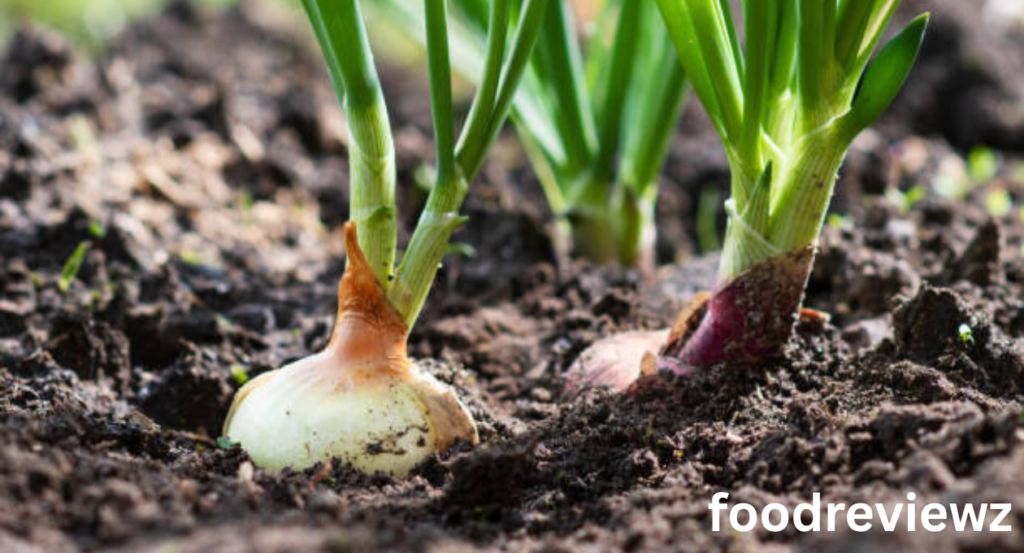
Consumers can take simple steps to adapt to the green onion shortage. One option is to use substitutes such as leeks, chives, or shallots, which offer similar flavors in many dishes. Another practical solution is growing green onions at home. Since they can regrow from kitchen scraps in water or soil, home cultivation is both cost-effective and sustainable.
Being flexible with recipes also helps. Adjusting dishes to rely less on green onions or using dried alternatives for certain recipes can reduce dependence on scarce fresh produce.
When Will the Green Onion Shortage Improve?
The duration of the green onion shortage depends on several factors, including weather conditions, planting cycles, and improvements in supply chains. Seasonal changes may bring some relief as new crops are harvested, but long-term stability requires better climate resilience and investment in agricultural infrastructure.
Conclusion
The green onion shortage highlights how vulnerable food systems can be to environmental and economic pressures. While the shortage has led to higher prices and limited availability, understanding its causes allows consumers, farmers, and businesses to adapt. With alternative ingredients, home growing, and improved supply chain strategies, the impact of the green onion shortage can be managed until conditions stabilize.
Faqs
Q1. Why is there a green onion shortage?
The green onion shortage is mainly caused by unfavorable weather conditions, rising farming and labor costs, and supply chain disruptions. These factors reduce crop yields and slow down distribution.
Q2. Are green onion prices increasing because of the shortage?
Yes, limited supply has led to higher prices in grocery stores and food markets. Restaurants may also increase menu prices or reduce usage to manage costs.
Q3. How long is the green onion shortage expected to last?
The duration varies by region. In many cases, shortages ease with seasonal harvests, but long-term stability depends on weather patterns and improvements in supply chains.
Q4. What can I use instead of green onions?
Common substitutes include chives, leeks, shallots, and even mild onions. These alternatives provide similar flavor and texture in many recipes.
Q5. Can I grow green onions at home during the shortage?
Yes, green onions are easy to grow at home. You can regrow them from kitchen scraps in water or plant them in soil for a continuous supply.