

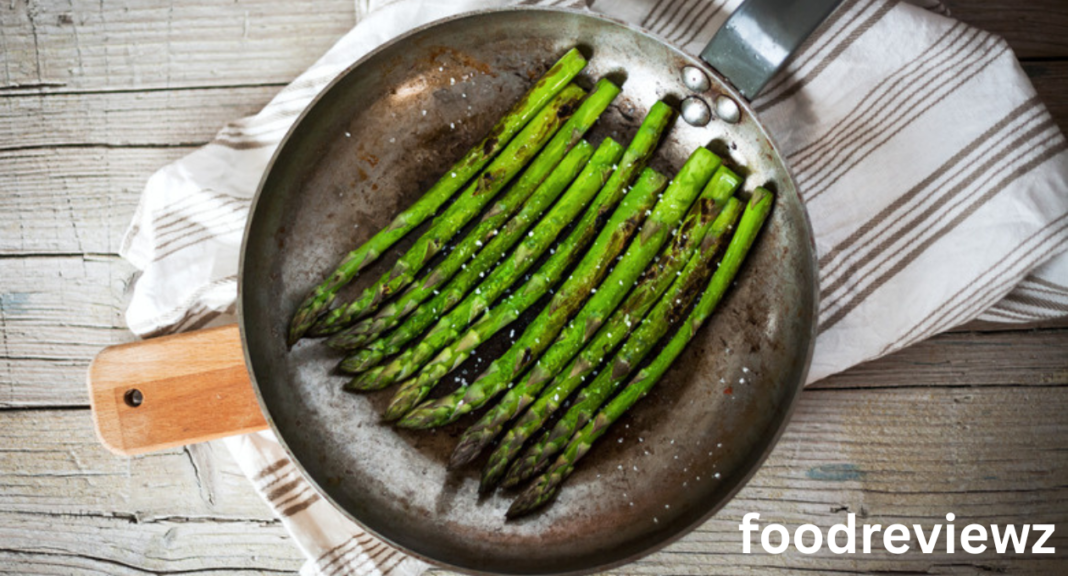

Asparagus is a nutritious and flavorful vegetable that pairs well with many meals. While fresh asparagus is popular,How to Cook frozen asparagus is a convenient alternative that can be stored for months and used whenever needed. Many people assume frozen vegetables lose their flavor or texture, but when cooked properly, frozen asparagus can be just as tasty and satisfying as fresh.
Learning how to cook frozen asparagus correctly helps preserve its nutrients, texture, and natural flavor. Whether you prefer roasting, sautéing, steaming, or microwaving, there are several easy methods to prepare this healthy vegetable.
Why Choose Frozen Asparagus?
Frozen asparagus offers several advantages for home cooks. First, it is extremely convenient. Since it is already washed and trimmed before freezing, it saves time during meal preparation. Frozen vegetables are also often picked and frozen at peak freshness, which helps preserve their nutrients.
Another benefit is availability. Fresh asparagus may not always be in season or easy to find, but frozen asparagus can be purchased year-round. This makes it a practical choice for quick weeknight dinners or last-minute side dishes.
Should You Thaw Frozen Asparagus First?
One of the most common questions about frozen asparagus is whether it needs to be thawed before cooking. In most cases, it is best to cook frozen asparagus directly from the freezer. Thawing can make the spears too soft and watery, which may affect their texture.
Cooking asparagus straight from frozen helps maintain its structure and prevents it from becoming mushy. Most cooking methods work well without any thawing required.
Roasting Frozen Asparagus
Roasting is one of the best ways to cook frozen asparagus because it enhances the vegetable’s natural flavor and gives it a slightly crispy texture.
Start by preheating your oven to 425°F (220°C). Spread the frozen asparagus evenly on a baking sheet lined with parchment paper. Drizzle the spears with olive oil and season with salt, pepper, and any additional spices you prefer, such as garlic powder or lemon zest.
Roast the asparagus for about 15–20 minutes, turning it halfway through cooking. The high heat helps evaporate excess moisture, allowing the asparagus to become tender with lightly browned edges.
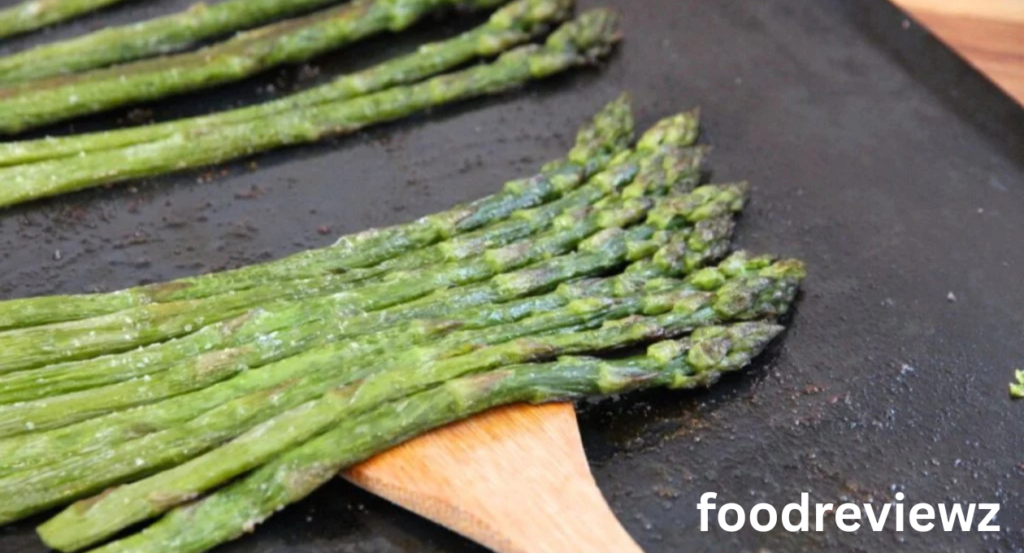
Sautéing Frozen Asparagus
Sautéing is another quick and flavorful way to cook frozen asparagus. Heat a tablespoon of olive oil or butter in a skillet over medium-high heat. Add the frozen asparagus directly to the pan.
Cook the asparagus for 6–8 minutes, stirring occasionally. As it cooks, the moisture will evaporate and the spears will become tender. You can enhance the flavor by adding minced garlic, onions, or a squeeze of fresh lemon juice.
Sautéed asparagus pairs well with pasta, rice dishes, grilled chicken, or seafood.
Steaming Frozen Asparagus
Steaming is a gentle cooking method that preserves the vegetable’s nutrients and natural flavor. Fill a pot with a small amount of water and place a steamer basket inside. Bring the water to a boil, then add the frozen asparagus to the basket.
Cover the pot and steam the asparagus for about 4–6 minutes, or until the spears are tender but still slightly firm. Avoid overcooking, as asparagus can quickly become soft.
After steaming, you can season the asparagus with olive oil, butter, salt, pepper, or grated Parmesan cheese for extra flavor.
Microwaving Frozen Asparagus
For the fastest cooking method, microwaving frozen asparagus works surprisingly well. Place the frozen spears in a microwave-safe dish and add a few tablespoons of water. Cover the dish loosely with a microwave-safe lid or plastic wrap.
Microwave on high for 3–5 minutes, depending on the quantity and microwave power. Once cooked, drain any excess water and season the asparagus to taste.
Although microwaving may not produce the same crispness as roasting, it is perfect for quick meals when time is limited.
Tips for the Best Flavor
To make frozen asparagus taste even better, try adding simple seasonings and toppings. Garlic, lemon juice, Parmesan cheese, chili flakes, and toasted almonds all pair beautifully with asparagus. Avoid overcrowding the pan or baking sheet, as this can trap moisture and lead to soggy vegetables.
Cooking frozen asparagus properly ensures it stays tender, flavorful, and nutritious. With just a few simple techniques, this convenient vegetable can become a delicious addition to many meals.
Conclusion
Cooking frozen asparagus is simple, quick, and convenient, making it a great option for busy home cooks. Whether you choose to roast, sauté, steam, or microwave it, frozen asparagus can turn into a flavorful and nutritious side dish with very little effort. Because it is already how to cook frozen asparaguscleaned and trimmed before freezing, it saves preparation time while still providing many of the same nutrients as fresh asparagus.
The key to getting the best results is to cook the asparagus directly from frozen and avoid overcooking it. Using high heat methods like roasting or sautéing can help remove excess moisture and improve the texture. Adding simple seasonings such as olive oil, garlic, lemon juice, or Parmesan cheese can also enhance the flavor.
FAQs
1. Do you need to thaw frozen asparagus before cooking?
No, it is usually better to cook frozen asparagus directly from the freezer. Thawing can make the asparagus soft and watery.
2. What is the best way to cook frozen asparagus?
Roasting and sautéing are often considered the best methods because they help remove excess moisture and improve flavor and texture.
3. How long does frozen asparagus take to cook?
Cooking time depends on the method. Roasting usually takes about 15–20 minutes, sautéing around 6–8 minutes, steaming 4–6 minutes, and microwaving about 3–5 minutes.
4. Can frozen asparagus become mushy when cooked?
Yes, it can become mushy if overcooked or thawed before cooking. Using high heat and cooking it directly from frozen helps maintain a better texture.
5. Is frozen asparagus healthy?
Yes, frozen asparagus is still very nutritious. It contains vitamins, fiber, and antioxidants that support overall health.