

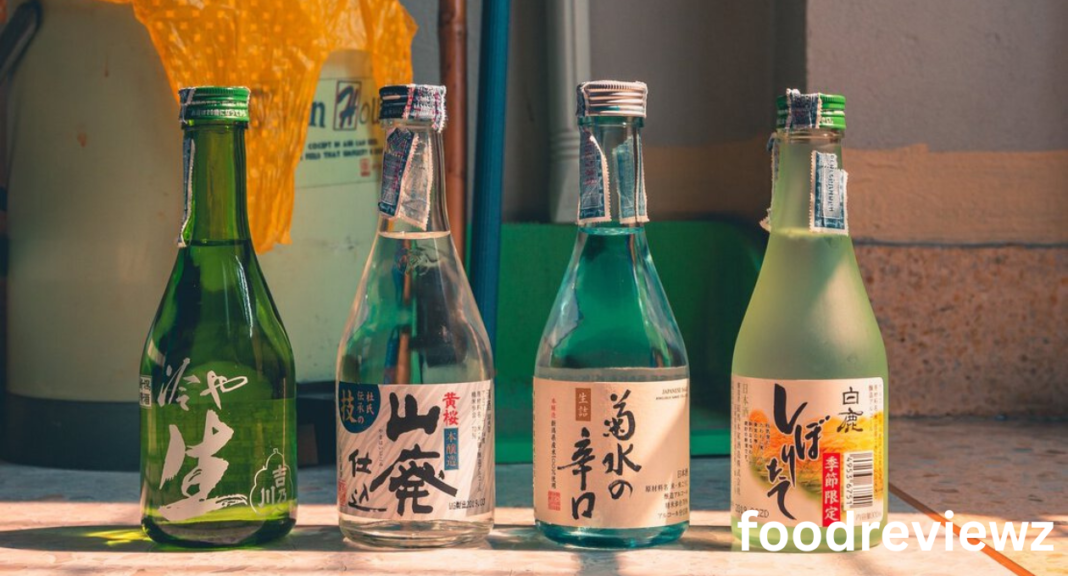

Sake is a traditional Japanese alcoholic beverage that has gained popularity worldwide. Known for its smooth taste and cultural significance, many people enjoy sake with sushi, Asian cuisine, or even on its own. However, individuals who follow a gluten-free diet often wonder: Is sake gluten free? Understanding the ingredients and production process can help clarify whether sake is safe for those with gluten sensitivities or conditions like celiac disease.
What Is Sake?
Sake is a Japanese alcoholic drink made primarily from rice, water, yeast, and koji mold. Unlike beer, which is brewed from barley or wheat, sake is produced through a fermentation process that converts rice starch into sugar and then into alcohol. Because rice is naturally gluten free, the base ingredient of sake does not contain gluten.
Sake is sometimes called rice wine, but technically it is brewed more like beer. The brewing process involves polishing rice grains to remove outer layers, which improves the drink’s flavor and purity. After polishing, the rice is fermented with koji mold and yeast to produce alcohol.
Is Sake Naturally Gluten Free?
Yes, pure sake is naturally gluten free. Since it is made from rice and not from wheat, barley, or rye, it does not contain gluten ingredients. This makes most traditional sake a safe option for people who are avoiding gluten.
However, there are a few important things to consider:
- Flavored or infused sake may contain added ingredients.
- Some low-quality products may include additives.
- Cross-contamination can occur in facilities that process gluten-containing products.
Because of these possibilities, it is always best to check the label or confirm with the manufacturer if you have severe gluten intolerance.
Ingredients Used in Sake Production
Traditional sake contains only a few ingredients:
1. Rice
Rice is the main ingredient and is naturally gluten free. Special varieties of sake rice are used for brewing.
2. Water
High-quality water is essential for producing good sake. It affects flavor and fermentation.
3. Koji Mold
Koji mold helps break down rice starch into fermentable sugars. It is a key component of the brewing process.
4. Yeast
Yeast converts sugars into alcohol during fermentation.
These ingredients do not contain gluten, which is why traditional sake is considered safe for gluten-free diets.
When Sake Might Not Be Gluten Free
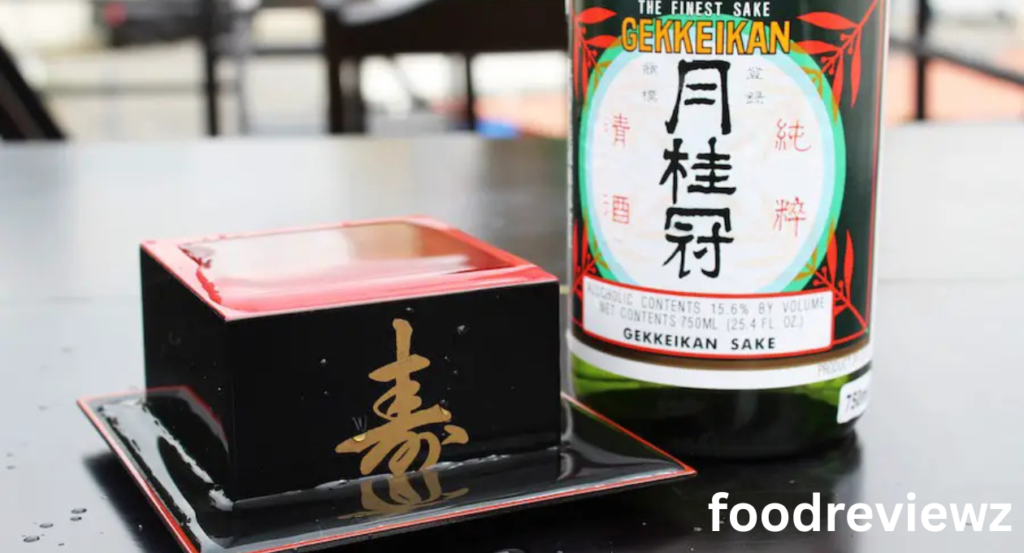
Although pure sake is gluten free, some situations may introduce gluten into the beverage.
Flavored Sake
Certain flavored varieties include added ingredients such as fruit syrups, sweeteners, or flavorings. In rare cases, these additives could contain gluten.
Cooking Sake
Some cooking sakes may contain salt or other additives. While most are still gluten free, it is wise to read labels carefully.
Sake Cocktails
When sake is used in cocktails, other ingredients like mixers or syrups might contain gluten.
Cross-Contamination
If sake is produced or bottled in facilities that handle wheat or barley products, there is a small risk of cross-contamination.
Tips for Choosing Gluten-Free Sake
If you want to enjoy sake while maintaining a gluten-free diet, follow these tips:
- Choose traditional or premium sake brands.
- Check ingredient labels carefully.
- Avoid flavored or mixed varieties unless verified gluten free.
- Ask the manufacturer or restaurant if unsure.
Many premium sake brands maintain traditional brewing methods and use only rice-based ingredients, making them a reliable option.
Health Considerations
Even though sake is gluten free, it is still an alcoholic beverage and should be consumed responsibly. People with gluten sensitivity should also pay attention to how their body reacts, especially when trying new brands or varieties.
Moderate consumption is recommended, and individuals with celiac disease should confirm the product’s gluten-free status if they are highly sensitive.
Conclusion
So, is sake gluten free? In most cases, the answer is yes. Traditional sake is made from rice, water, yeast, and koji mold, all of which are naturally gluten free. This makes pure sake a suitable choice for many people following a gluten-free diet.
However, flavored varieties, cooking sakes, and mixed drinks may contain additives that introduce gluten. Checking labels and choosing high-quality brands can help ensure that the sake you drink remains safe and enjoyable.
FAQs
1. Can people with celiac disease drink sake?
Yes, most pure sake is gluten free and safe for people with celiac disease, but checking labels or confirming with manufacturers is recommended.
2. Is sake safer than beer for gluten-free diets?
Yes. Beer is usually made from barley or wheat, which contain gluten, while sake is made from rice.
3. Does sake contain wheat or barley?
Traditional sake does not contain wheat or barley. It is made entirely from rice and fermentation cultures.
4. Is cooking sake gluten free?
Most cooking sake is gluten free, but some brands may add ingredients. Always read the label before using it.
5. Are sake cocktails gluten free?
Not always. The sake itself may be gluten free, but mixers or flavorings in cocktails might contain gluten.