



Why Are Jalapeños Becoming Scarce?
Jalapeños, once a readily available staple in kitchens worldwide, are now facing an jalapeno shortage . From street food vendors to high-end restaurants, many are struggling to source this popular chili pepper. The reasons behind this scarcity are complex, rooted in environmental changes, economic pressures, and ongoing supply chain disruptions.
One of the leading causes is climate instability. Jalapeño crops depend on consistent warmth and balanced rainfall, but recent years have brought unpredictable weather patterns. Extended droughts have dried out soil in key farming regions, while sudden storms and temperature swings have damaged harvests. These conditions have significantly reduced crop yields, leaving farmers unable to meet global demand.
The Impact of Climate Change on Agriculture
Climate change is not just a distant concept; it is actively reshaping agriculture. Jalapeño plants are particularly sensitive to environmental shifts. When temperatures rise too high or water becomes scarce, the plants either produce fewer peppers or fail entirely. This has forced many farmers to reconsider their growing strategies, often at a financial loss.
Additionally, water scarcity has become a pressing issue. In regions where irrigation is essential, limited water supplies have made it difficult to sustain large-scale pepper farming. As a result, overall production has declined, contributing directly to the shortage.
Economic Pressures on Farmers
Beyond environmental challenges, farmers are also dealing with rising production costs. Fertilizers, labor, fuel, and transportation have all become more expensive. For many growers, continuing to cultivate jalapeños is no longer as profitable as it once was.
Shifting to More Profitable Crops
Faced with these financial realities, some farmers have opted to switch to crops that offer better returns or require fewer resources. While this decision makes economic sense, it has reduced the total acreage dedicated to jalapeños. Over time, this shift has tightened supply and intensified the shortage.
Supply Chain Disruptions
Even when jalapeños are successfully grown, getting them to market is another challenge. Global supply chains are still recovering from recent disruptions, and inefficiencies remain. Delays in transportation, shortages of workers, and increased fuel costs have all slowed distribution.
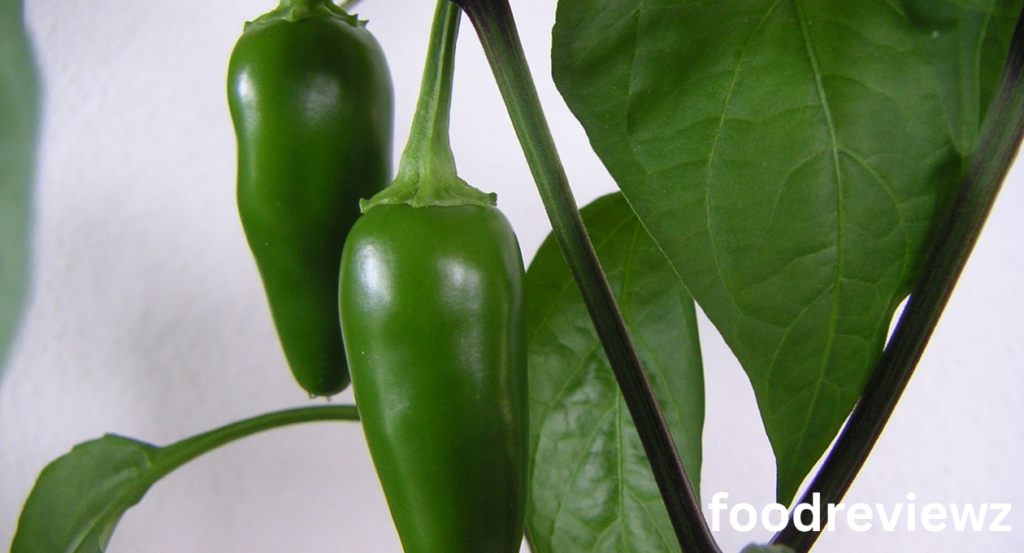
From Farm to Table: A Complicated Journey
The journey of a jalapeño from farm to consumer involves multiple steps, each vulnerable to disruption. A delay at any stage can lead to spoilage or reduced availability. These logistical hurdles have made it harder for retailers to keep shelves stocked and for restaurants to maintain consistent menus.
How the Shortage Affects Consumers and Businesses
The jalapeño shortage is being felt across various sectors. Restaurants have had to adapt by modifying recipes or using alternative peppers such as serranos. However, these substitutes often change the flavor and heat balance of dishes.
Consumers are also noticing the difference. Grocery stores may have limited stock, and prices have risen due to increased demand and reduced supply. For households that regularly use jalapeños, this shift can be both inconvenient and costly.
A Ripple Effect Across the Food Industry
Food manufacturers are also impacted. Jalapeños are a key ingredient in many packaged goods, including sauces, chips, and ready-made meals. As supply tightens, production costs rise, and these increases are often passed on to consumers.
Looking Ahead: Solutions and Hope
Despite the current challenges, there is reason for optimism. Farmers and researchers are working together to develop more resilient agricultural practices. Techniques such as greenhouse farming, advanced irrigation systems, and climate-resistant crop varieties are being explored.
Building a More Resilient Future
Addressing the jalapeño shortage will require long-term solutions. Investments in sustainable farming, improved infrastructure, and better resource management can help stabilize production. Collaboration between governments, agricultural experts, and farmers will be essential in overcoming these challenges.
Conclusion
The jalapeño shortage is a clear example of how interconnected our global food systems have become. What might seem like a small issue is actually the result of larger environmental and economic forces. As efforts continue to restore supply, this situation serves as a reminder to value the resources and systems that bring food to our tables. When jalapeños do return in abundance, they will carry with them a deeper appreciation for their journey and significanc
faqs
What is causing the jalapeño shortage?
The shortage is mainly due to a combination of climate change, rising farming costs, and supply chain disruptions. Unpredictable weather conditions like droughts and storms have reduced crop yields, while economic pressures have caused some farmers to grow fewer jalapeños.
Which countries are most affected by the shortage?
Countries that rely heavily on jalapeño imports or are major consumers, such as the United States and parts of Europe, are feeling the impact more strongly. However, the effects are being noticed globally due to interconnected food supply chains.
Are jalapeños completely unavailable?
No, jalapeños are not completely unavailable. They are still being produced, but in smaller quantities. This has led to limited availability in some markets and higher prices.
Why have jalapeño prices increased?
Prices have gone up due to reduced supply and increased production and transportation costs. When fewer jalapeños are available but demand remains high, prices naturally rise.
Can I use substitutes for jalapeños in cooking?
Yes, common substitutes include serrano peppers, Fresno peppers, or even milder options like green chilies. However, each alternative has a slightly different flavor and heat level.