

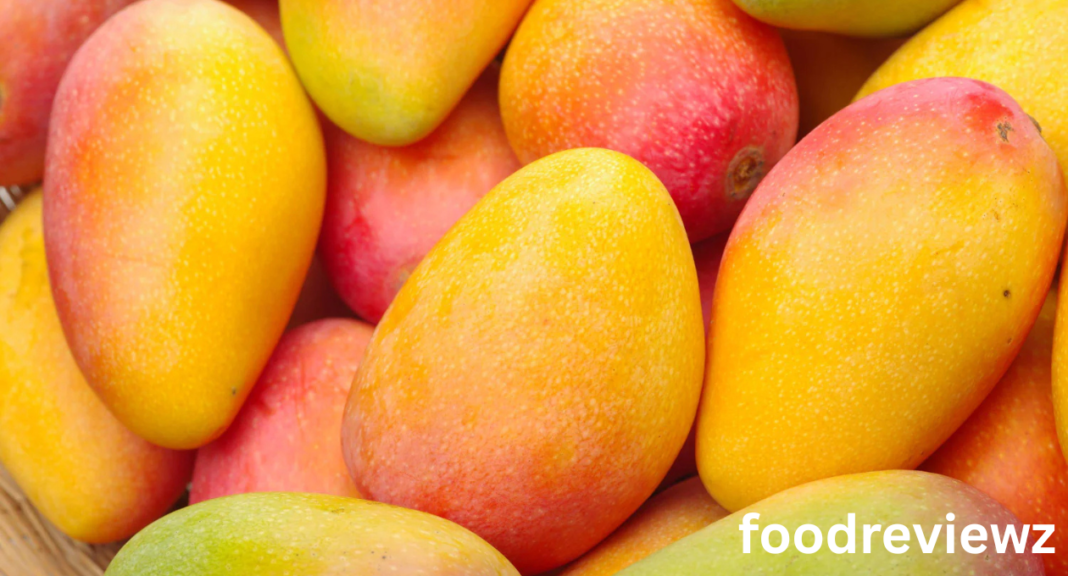

Mangoes are often called the “king of fruits” due to their rich taste, aroma, and cultural importance across many regions of the world. From fresh consumption to juices, desserts, and processed products, mangoes are enjoyed by millions every year. However, in recent seasons, many markets have experienced a noticeable mango shortage. This situation has affected prices, availability, and consumer choices. Understanding the reasons behind the mango shortage helps explain why this popular fruit has become harder to find and more expensive.
Key Causes of the Mango Shortage
One of the primary causes of the mango shortage is unfavorable weather conditions. Mango trees depend on specific climatic patterns, including proper flowering, moderate temperatures, and timely rainfall. Heatwaves, prolonged droughts, unseasonal rains, and storms have disrupted flowering and fruit-setting stages in major mango-producing regions. When flowers fall early or fruits fail to mature properly, overall yields drop significantly.
Pest and disease outbreaks have also contributed to lower mango production. Insects such as fruit flies and diseases like powdery mildew and anthracnose can damage mango crops if not controlled effectively. With changing weather patterns, pests and diseases have become harder to manage, leading to higher crop losses.
Another major factor is rising input costs. Farmers are facing increased expenses for fertilizers, pesticides, irrigation, fuel, and farm labor. These higher costs make mango cultivation more expensive and risky. In response, some farmers reduce investment in their orchards or shift to alternative crops that offer more stable returns.
Impact on Prices and Market Availability
The most visible impact of the mango shortage is higher prices. Limited supply combined with strong seasonal demand pushes mango prices upward, making them less affordable for many consumers. Premium mango varieties are especially affected, often selling at significantly higher prices than usual.
Availability has also become inconsistent. In some areas, mangoes may appear in markets for short periods and then disappear. Export restrictions or reduced export volumes further affect supply in importing countries, leading to shortages beyond producing regions.
Effects on Consumers and Businesses
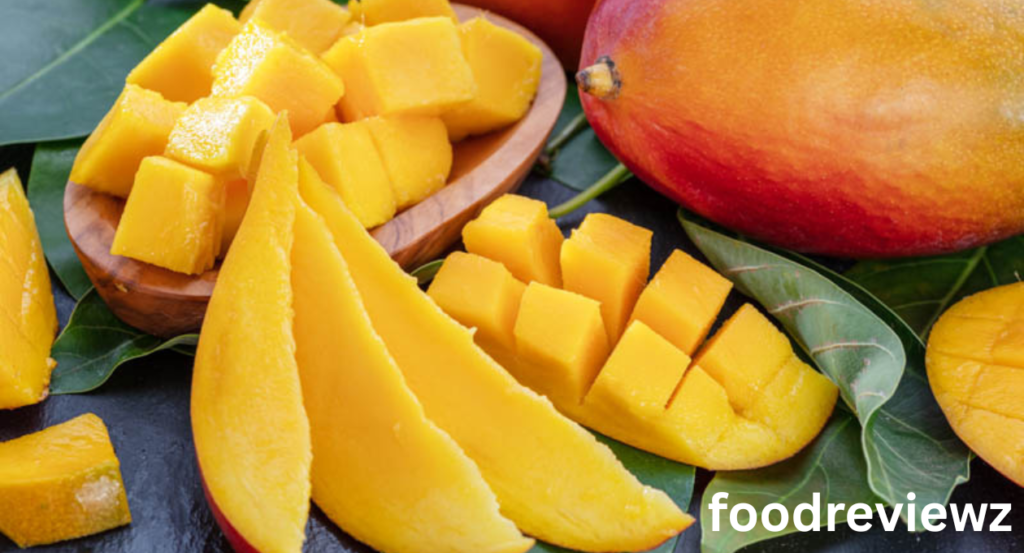
For consumers, the mango shortage means fewer choices and higher spending. Families that traditionally enjoy mangoes during the summer season may need to limit consumption or switch to other fruits. Mango-based products such as juices, shakes, ice creams, and desserts may also become more expensive due to increased raw material costs.
Businesses across the food industry feel the impact as well. Fruit vendors, juice shops, restaurants, and food processors that rely heavily on mangoes face supply uncertainty and rising costs. Some businesses adjust portion sizes, raise prices, or temporarily remove mango-based items from their menus.
Global Trade and Supply Chain Challenges
The mango shortage is not only a local issue. Global trade disruptions have added pressure to the supply chain. Transportation delays, higher shipping costs, and stricter quality standards can limit international mango shipments. When multiple producing countries experience poor harvests at the same time, global supply becomes even tighter.
When Will the Mango Shortage Improve?
The recovery from a mango shortage depends largely on weather conditions and orchard management. Favorable climate patterns in upcoming seasons could help restore normal production levels. However, climate variability and rising production costs suggest that price fluctuations and occasional shortages may continue in the future.
How Consumers Can Adapt
Consumers can manage the effects of the mango shortage by being flexible. Buying mangoes in peak season, choosing locally grown varieties, or opting for frozen or processed mango products can help reduce costs. Exploring other seasonal fruits also ensures a balanced and affordable diet.
Conclusion
The mango shortage highlights the vulnerability of fruit production to climate change, rising costs, and supply chain challenges. While the shortage has led to higher prices and limited availability, awareness of its causes helps consumers and businesses adapt. With improved farming practices and favorable weather, the mango market is expected to stabilize, but until then, flexibility and smart choices remain essential.
faqs
1. What is causing the mango shortage?
The mango shortage is mainly caused by extreme weather conditions such as heatwaves, droughts, and unseasonal rainfall that affect flowering and fruit development. Pest attacks, plant diseases, and rising farming costs have also reduced overall production.
2. Is the mango shortage affecting all countries?
While not every country is affected equally, many major mango-producing and importing regions are experiencing reduced supply. When key producing countries face poor harvests, global availability is impacted.
3. Why are mango prices so high this season?
Limited supply combined with strong seasonal demand leads to higher prices. Increased costs for farming, transportation, and storage are also passed on to consumers.
4. How long is the mango shortage expected to last?
The shortage may last until the next successful harvest season. If weather conditions improve and crop yields recover, availability and prices may stabilize, but fluctuations can continue.
5. Are all mango varieties affected by the shortage?
Most mango varieties are affected, but premium and export-quality mangoes often experience sharper price increases due to higher demand and limited supply.