

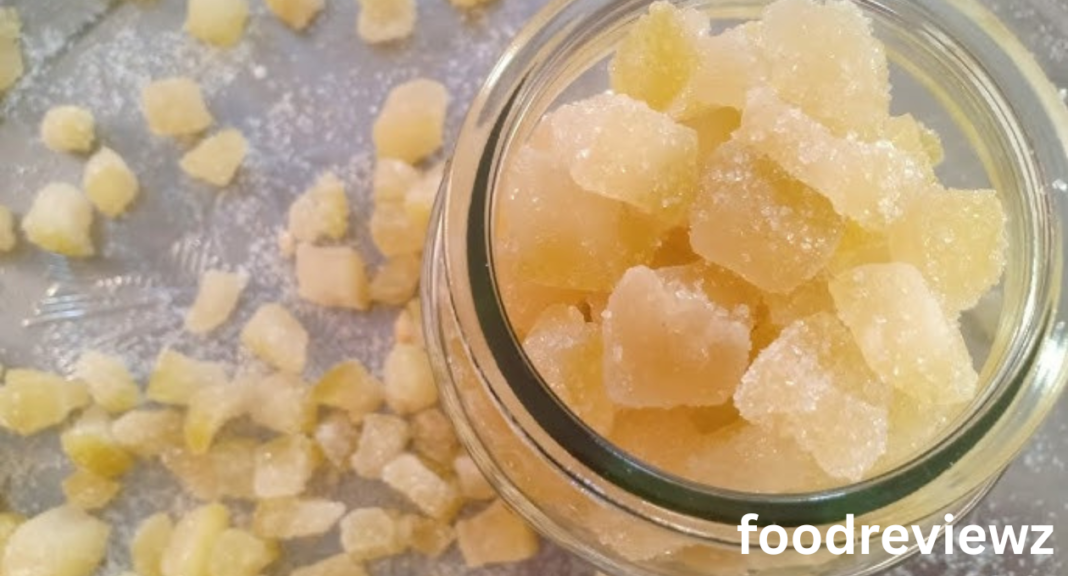

Pomelo candy is a delightful confection that brings together the bold, refreshing flavor of pomelo with the comforting sweetness of traditional candy-making. Made from the thick rind of the pomelo fruit, this candy is chewy, aromatic, and packed with a unique citrus taste that sets it apart from common sweets. Popular across many Asian cultures, pomelo candy is more than just a treat—it is a celebration of resourcefulness, heritage, and flavor.
What Is Pomelo Candy?
Pomelo is the largest citrus fruit in the world, known for its pale green or yellow skin and mildly sweet, slightly tart flesh. While the juicy segments are often eaten fresh, the rind is where pomelo candy begins its journey. Instead of being discarded, the thick peel is transformed into a delicious sweet through a careful process of soaking, boiling, and candying.
Pomelo candy is typically chewy or slightly crunchy on the outside, with a soft interior that carries a gentle bitterness balanced by sugar. Some versions are dusted with sugar crystals, while others are glazed or infused with honey, salt, or spices, depending on regional preferences.
A Candy Rooted in Tradition
In many Asian countries such as China, Vietnam, Thailand, and Malaysia, pomelo candy has long been a homemade specialty. It is often prepared during festive seasons like Lunar New Year, weddings, or family gatherings. The candy symbolizes prosperity and good fortune, as pomelos themselves are associated with abundance and luck.
Traditionally, making pomelo candy was a time-consuming process passed down through generations. Families would work together to prepare the rind, patiently removing bitterness and slowly building layers of sweetness. Even today, artisanal producers continue these methods, preserving the authentic taste and cultural significance of the candy.
How Pomelo Candy Is Made
The process of making pomelo candy requires patience and precision. First, the thick pomelo peel is separated from the fruit and cut into strips or cubes. These pieces are soaked in water—sometimes salted water—for several days to reduce bitterness. The rind is then boiled multiple times, with the water changed in between, until it becomes tender.

Once prepared, the peel is simmered in a sugar syrup until it absorbs sweetness and becomes translucent. After drying, the candy may be coated in granulated sugar or left plain for a glossy finish. The result is a beautifully balanced candy that highlights the natural citrus aroma of pomelo.
Flavor and Texture Experience
Pomelo candy offers a unique sensory experience. Unlike overly sweet candies, it has a refined sweetness complemented by subtle citrus notes and a hint of bitterness that keeps the flavor interesting. The texture is equally appealing—chewy, slightly firm, and satisfying to bite into.
Some modern variations include added flavors such as chili, ginger, or pandan, giving the candy a contemporary twist while maintaining its traditional roots. These innovations have helped pomelo candy appeal to younger audiences and international markets.
Why Pomelo Candy Is Gaining Popularity
In recent years, pomelo candy has gained attention as people seek more natural, fruit-based sweets. With fewer artificial ingredients and a focus on using the whole fruit, it aligns well with sustainable and mindful eating trends. It also appeals to those who enjoy nostalgic, handcrafted foods with a story behind them.
Pomelo candy is not just a snack—it pairs well with tea, works as a thoughtful gift, and serves as a flavorful reminder of cultural heritage. Whether enjoyed at home or shared during celebrations, it brings warmth and tradition in every bite.
Conclusion
Pomelo candy stands as a perfect example of how simple ingredients and traditional techniques can create something truly special. Its balance of sweetness, citrus flavor, and chewy texture makes it a timeless treat. As interest in traditional and sustainable foods continues to grow, pomelo candy is sure to remain a beloved delicacy for generations to come.
faqs
1. What is pomelo candy made from?
Pomelo candy is made primarily from the thick peel (rind) of the pomelo fruit. The rind is processed by soaking, boiling, and cooking it in sugar syrup to create a sweet, chewy confection.
2. Does pomelo candy taste bitter?
Pomelo rind is naturally bitter, but most of the bitterness is removed during preparation. The final candy has a balanced flavor—mildly sweet with a subtle citrus bitterness that adds depth rather than overpowering the taste.
3. Is pomelo candy healthy?
While pomelo candy does contain sugar, it is often considered a more natural sweet compared to heavily processed candies. Pomelo peel contains fiber and some nutrients, but it should still be enjoyed in moderation.
4. How long does pomelo candy last?
When stored in an airtight container in a cool, dry place, pomelo candy can last several weeks to a few months. Homemade versions usually have a shorter shelf life than commercially packaged ones.
5. Is pomelo candy vegan?
Most traditional pomelo candy recipes are vegan, as they use pomelo peel, sugar, and water. However, some variations may include honey or other additives, so it’s best to check the ingredients.