

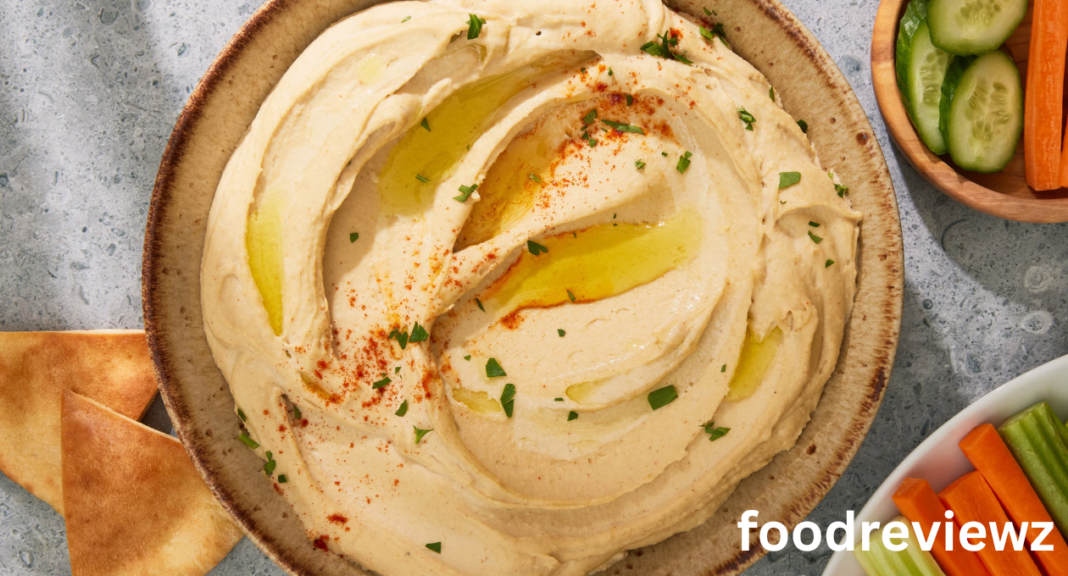

Hummus is one of the most popular dips in the world today. You can find it in restaurants, grocery stores, and home kitchens across many cultures. Despite its growing popularity, many people who have never tried it still wonder about one simple question: what does hummus taste like?
The answer is both simple and interesting. Hummus has a creamy, nutty, slightly tangy, and savory flavor that feels smooth and satisfying. Its taste comes from a combination of wholesome ingredients that blend together perfectly. To truly understand hummus, it helps to explore the ingredients and flavors that create its unique profile.
The Basic Taste of Hummus
At its core, hummus has a mild yet flavorful taste. It is not overly strong, spicy, or sweet. Instead, it offers a balanced blend of creamy texture and gentle savory notes. When you take your first bite, you will likely notice how smooth and rich it feels.
The flavor can be described as slightly nutty, with a hint of lemony brightness and a soft garlic kick. Because the ingredients are blended together, no single flavor dominates the dip. Instead, everything works together to create a balanced and comforting taste.
Another important part of the hummus experience is its texture. Properly made hummus is silky, thick, and spreadable, making it perfect for dipping bread, crackers, or vegetables.
The Ingredients That Shape Hummus Flavor
Hummus is made from a handful of simple ingredients, but each one plays a major role in shaping the taste.
Chickpeas: The Mild and Creamy Base
Chickpeas, also known as garbanzo beans, are the main ingredient in hummus. They have a soft, mild, and slightly earthy flavor. On their own, chickpeas taste gentle and nutty, which makes them a perfect base for the dip.
When blended, chickpeas create the creamy texture that hummus is known for. Their subtle taste allows the other ingredients to shine without overpowering the dish.
Tahini: The Nutty Depth
Tahini is a paste made from ground sesame seeds. This ingredient gives hummus its distinct nutty richness. Without tahini, hummus would taste much flatter and less complex.
Tahini adds a slightly toasted flavor that pairs beautifully with the smooth chickpea base. It also contributes to the creamy consistency that makes hummus so enjoyable.
Lemon Juice: The Fresh Tang
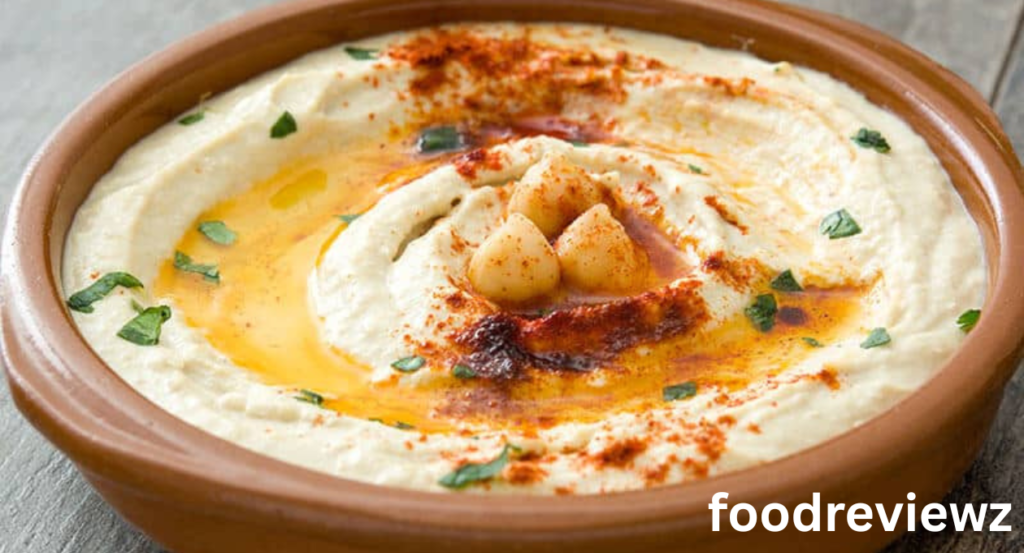
Lemon juice brings brightness to hummus. Its acidity adds a fresh, tangy note that balances the richness of the chickpeas and tahini.
This small but important ingredient keeps hummus from feeling too heavy. Instead, it makes the dip taste refreshing and lively.
Garlic: The Savory Kick
Garlic adds depth and character to hummus. Depending on the recipe, the garlic flavor can be subtle or bold. In most traditional recipes, garlic provides a gentle savory sharpness that enhances the overall taste.
It gives hummus a slightly bold edge while still keeping the dip balanced and smooth.
How Different Hummus Varieties Taste
Although classic hummus has a recognizable flavor, there are many variations that change its taste slightly.
Roasted Red Pepper Hummus
This version adds roasted red peppers, giving the dip a sweet and smoky flavor. It is often a bit sweeter than traditional hummus and has a vibrant color.
Spicy Hummus
Some hummus recipes include chili, paprika, or hot sauce. These ingredients add heat and boldness, making the dip more exciting for those who enjoy spicy foods.
Garlic or Herb Hummus
Extra garlic or herbs like parsley and cilantro can be added to create a more aromatic version. These variations often taste fresh, savory, and slightly stronger than classic hummus.
What Foods Pair Well With Hummus
Hummus is rarely eaten by itself. It is usually served with foods that complement its creamy texture and balanced flavor.
Warm pita bread is one of the most common pairings. The soft bread scoops up the dip perfectly and enhances its rich texture. Fresh vegetables like carrots, cucumbers, celery, and bell peppers also pair wonderfully with hummus. Their crispness contrasts with the smooth dip, creating a satisfying snack.
Crackers, flatbreads, and even sandwiches can also include hummus as a flavorful spread.
Conclusion
Hummus is a simple yet flavorful dip that has won the hearts of people around the world. Its taste is a balanced combination of creamy chickpeas, nutty tahini, tangy lemon juice, and savory garlic. These ingredients blend together to create a smooth texture and a mild but satisfying flavor. Unlike many dips that rely on strong spices, hummus offers a natural and wholesome taste that feels both rich and refreshing.
Another reason hummus is so popular is its versatility. It can be enjoyed as a dip, a spread, or even as part of a meal. Whether paired with warm pita bread, crunchy vegetables, or crackers, hummus adds a creamy and flavorful touch to almost any snack. Different varieties such as roasted red pepper, spicy hummus, or garlic hummus also allow people to explore new flavors while still enjoying the classic base.
FAQs
What does hummus taste similar to?
Hummus tastes somewhat similar to other bean-based dips but with a distinct nutty and tangy flavor. The combination of chickpeas and tahini gives it a richer and creamier taste than most traditional bean dips.
Is hummus spicy?
Traditional hummus is not spicy at all. It usually has a mild and smooth flavor. However, some varieties include chili, paprika, or hot sauce, which can make the dip spicy.
Is hummus sweet or savory?
Hummus is primarily a savory food. It contains ingredients like garlic, olive oil, and chickpeas, which create a rich and slightly tangy taste rather than sweetness.
Can hummus taste sour?
Hummus can have a slightly tangy or citrusy taste because of lemon juice. This mild sourness helps balance the creamy and nutty flavors.
Do all hummus flavors taste the same?
No, hummus can come in many different flavors. While classic hummus has a nutty and tangy taste, other versions like roasted red pepper, garlic, or spicy hummus can add sweetness, smokiness, or heat to the flavor.